
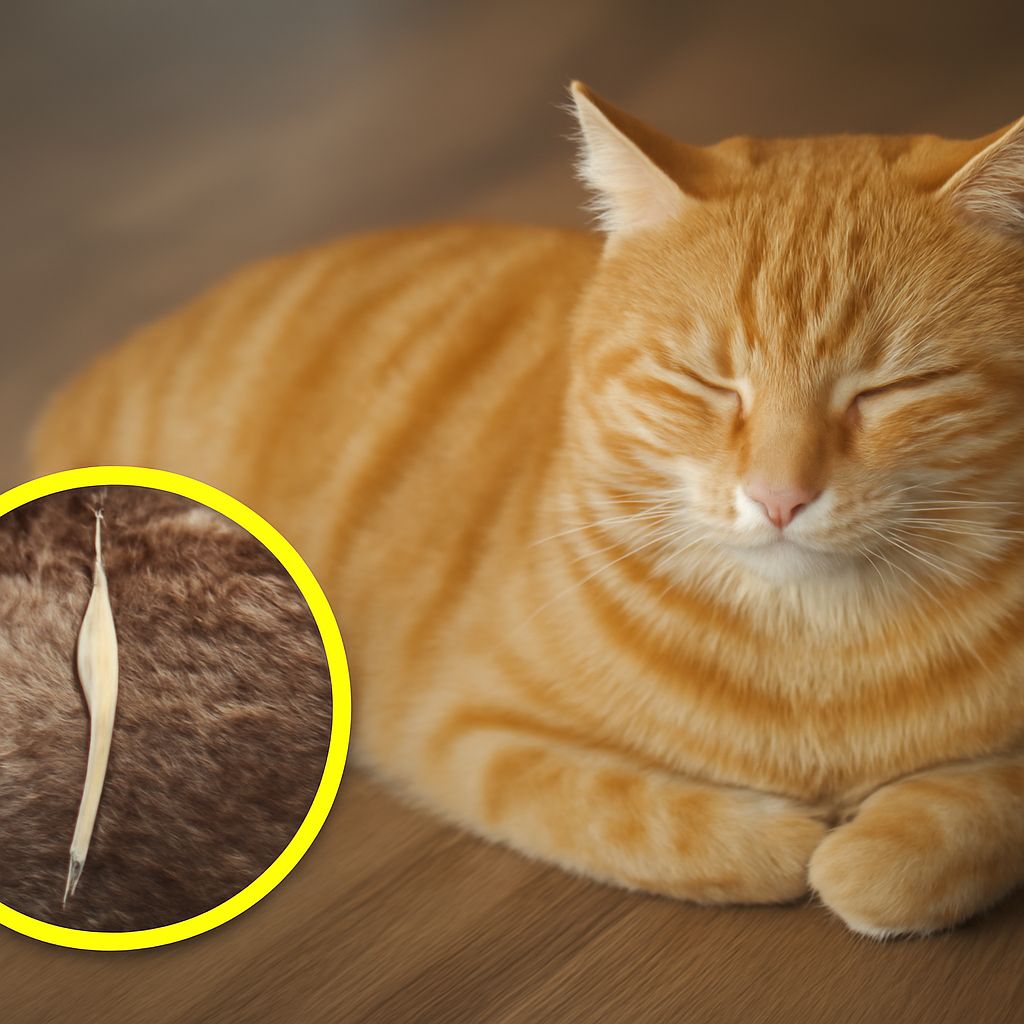
Imagine snuggling up in your bed, the warmth a comforting embrace against the night chill. Your cat, a beloved companion, curls up next to you, a purring ball of fur. However, a nagging thought crosses your mind: can I get worms from my cat sleeping in my bed? Such concerns about cats parasites are common among pet owners. Understanding the risks associated with intestinal parasites in cats can help you make informed decisions about your furry friend’s sleeping arrangements.
Understanding Intestinal Parasites in Cats
Types of Intestinal Parasites
Cats can be hosts to various intestinal parasites, including roundworms, tapeworms, and hookworms. Each type poses different risks to your pet’s health. Roundworms are the most common, and they can easily spread among animals. Tapeworms, on the other hand, often come from ingesting fleas, while hookworms can cause anemia due to their feeding habits.
Symptoms of Intestinal Parasites
Identifying signs of parasitic infection in cats is crucial. Common symptoms include diarrhea, vomiting, weight loss, and a dull coat. In severe cases, the presence of worms may be visible in a cat’s feces. Regular observation of your cat’s behavior and physical condition can help catch an infestation early.
Transmission Methods
Intestinal parasites can spread through several methods. Fecal-oral transmission is common, where cats ingest eggs or larvae present in contaminated environments. Fleas, as vectors, can also transfer tapeworms. Understanding these transmission methods is key to preventing an infestation in your household.
Can I Get Worms from My Cat Sleeping in My Bed?
Risks of Parasite Transmission
While the thought of parasites jumping from your cat to you is unsettling, direct transmission to humans is relatively uncommon. However, it is not impossible. Practicing good hygiene, such as washing hands after handling your cat, can significantly reduce any risk. Be aware that young children are more susceptible due to their play habits.
Preventing Parasite Spread
To protect yourself and your family, regular deworming of your cat is essential. Vacuuming your home to remove eggs and larvae and ensuring your cat’s bedding is clean can help prevent the spread of parasites. Keeping your cat indoors can also limit their exposure to potential sources of infection.
Common Misconceptions
A popular myth is that sleeping with your cat guarantees you will get worms. While possible, it is not a certainty. Educating yourself on how parasites operate and spread can help dispel these myths. Understanding that most parasites require specific conditions to thrive can ease concerns about everyday interactions with your pet.
Can Cats Get Worms from Dogs?
Cross-Species Transmission
Canines and felines share several parasites, making cross-species transmission plausible. Roundworms and hookworms can affect both cats and dogs, but certain parasites, like canine heartworms, do not typically affect felines. Regular vet visits for both pets can help manage potential cross-infections.
Prevention Tips
Maintaining separate living spaces for your pets can reduce the risk of transmission. Utilizing flea control products on both cats and dogs minimizes the chances of flea-borne parasites. Additionally, feeding pets separately and preventing them from eating each other’s food can also help prevent infections.
Signs Your Pet May Be Infected
If a cat or dog displays symptoms like lethargy, loss of appetite, or visible worms in their feces, it is critical to consult a veterinarian. Early detection and treatment are vital in reducing the spread of parasites among pets and humans.
Protecting Your Home from Parasites on Cats
Effective Cleaning Strategies
Regular cleaning of your home is imperative in managing parasites. Consider using a vacuum with a HEPA filter to capture eggs and larvae. Washing pet bedding and toys in hot water can kill parasites and their eggs, ensuring a cleaner environment.
Regular Vet Check-Ups
Frequent vet visits allow for the early detection of any parasitic infections. Vets can provide tailored advice on deworming schedules and necessary treatments for your cat. Keep your vet informed about any changes in your pet’s behavior or health for the best preventive care.
Parasite Control Products
Various parasite control products are available, ranging from topical treatments to oral medications. Consult your veterinarian to choose the most effective solution for your cat. Using these products consistently can help keep your home parasite-free.
Safety Recap: Regular cleaning and preventive measures, such as using parasite control products, are vital in safeguarding your home from parasites. Always consult a vet for advice tailored to your pet’s specific needs.