
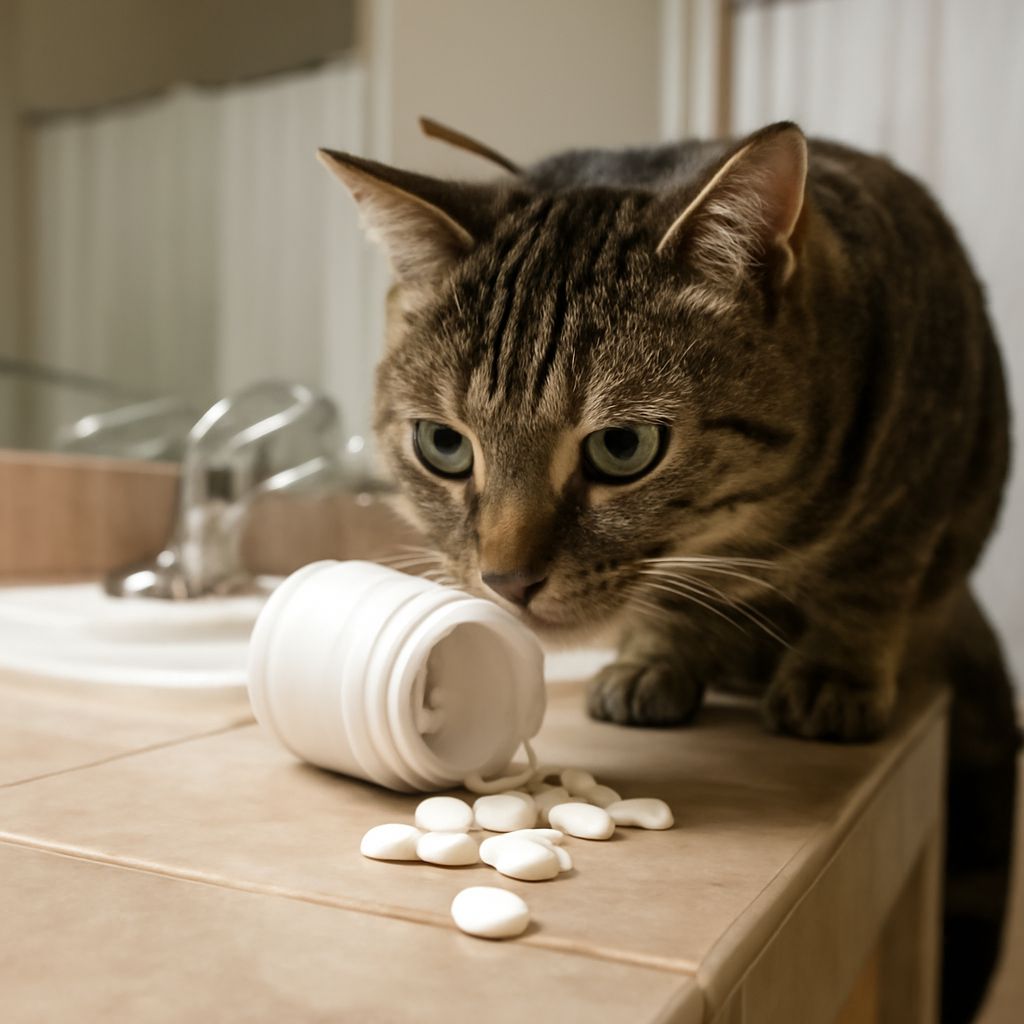
Picture this: you’re sitting on the couch on a lazy Sunday with your beloved feline friend nestled on your lap. Your cat seems a little under the weather, and you wonder if there’s a simple solution at hand. There it is, in your medicine cabinet—baby aspirin. But before you give your cat baby aspirin, it’s crucial to understand the potential risks and the importance of proper care for your furry companion. Can cats have baby aspirin without any side effects? Let’s unravel the mystery of cat aspirin and the potential hazards involved.
Introduction to Baby Aspirin for Cats
Baby aspirin, a lower-dose form of the popular pain reliever, is commonly used by humans for various ailments. For cat owners, the idea of using this medication for their pets might seem tempting, especially when their feline friends appear to be in pain. However, administering aspirin to cats requires careful consideration. Understanding how this medication interacts with feline physiology is crucial before any decision is made.
Why Cat Aspirin is Different
Cats are not small humans, and their bodies process medications differently. The primary concern with giving aspirin to cats is their unique metabolism. Unlike humans and even dogs, cats lack certain liver enzymes that are necessary to break down aspirin effectively. This means that the drug can remain in their system longer, leading to potential toxicity. Cat-specific formulations consider these factors, providing a safer alternative when medication is needed.
Can You Give a Cat Baby Aspirin Safely?
While baby aspirin might be perceived as a milder option, it’s still essential to consult a veterinarian before giving it to your cat. Only after professional guidance should any form of aspirin be considered. Veterinarians can assess your cat’s health and determine the appropriate dosage if aspirin is deemed necessary. They may also recommend monitoring your cat closely for any adverse reactions if aspirin is administered.
Potential Risks of Giving Aspirin to Cats
Giving baby aspirin to cats can lead to several risks. The most significant concern is toxicity. Symptoms of aspirin toxicity in cats can include vomiting, diarrhea, decreased appetite, and lethargy. In severe cases, it can cause gastrointestinal ulcers and even kidney failure. The potential for these adverse effects underscores the importance of veterinary guidance and close observation.
Alternatives to Baby Aspirin for Cats
If your cat is in pain, there are alternatives to baby aspirin that may be safer and more effective. Veterinarians might recommend feline-specific pain relievers that are formulated considering a cat’s unique metabolism. Additionally, non-pharmaceutical approaches such as physical therapy, acupuncture, or dietary adjustments can also provide relief. Always consult with a vet to explore the best options tailored to your pet’s needs.
Safety recap: When considering any medication for your cat, including baby aspirin, it’s crucial to prioritize their safety by consulting a veterinarian. Understanding the potential risks and exploring alternatives can help ensure the well-being and comfort of your feline companion.