Imagine you have a two-year-old cat who seems more aloof than usual. You notice her blinking excessively and occasionally rubbing her eyes with her paw. You’re concerned that she might be experiencing discomfort or even suffering from an eye infection. You remember that you have some eye drops from when your one-year-old cat had a similar issue. However, you’re unsure if the same eye drops are safe to use for a two-year-old cat or whether these symptoms could indicate something more serious, like pain from cancer. Recognizing the signs and knowing when and how to administer eye drops can help ensure your feline friend’s well-being.
Understanding Eye Health in Cats
Cats’ eye health is an essential aspect of their overall well-being. Similar to humans, cats can experience various eye issues, ranging from mild irritations to more severe infections. Regular monitoring of your cat’s eyes can help catch problems before they escalate. Typical signs of healthy eyes include clear, bright eyes with no excessive discharge or redness. Understanding the basics of feline eye care, including potential irritants and illnesses, can significantly impact your cat’s quality of life.
Can You Use Eye Drops on Cats?
When faced with feline eye issues, many cat owners wonder if using eye drops is appropriate. Generally, eye drops formulated specifically for cats are safe to use, but it’s crucial to consult your veterinarian before administering them. Human eye drops are not suitable for cats and could potentially harm them. Veterinarian-prescribed or recommended drops are designed to address various conditions, such as bacterial infections or irritations. Always ensure the eye drops are suitable for your cat’s particular needs and age.
Symptoms of Eye Problems in Cats
Identifying symptoms of eye problems in cats can be vital in preventing more severe conditions. Common signs include excessive watering, discharge, redness, and squinting. If your cat is constantly pawing at her eyes or appears to be in distress, it might indicate a more severe problem. Other symptoms might include swelling around the eyes or a noticeable change in eye color. Observing these signs early can lead to prompt treatment, reducing discomfort and preventing potential complications.
Administering Eye Drops to Cats
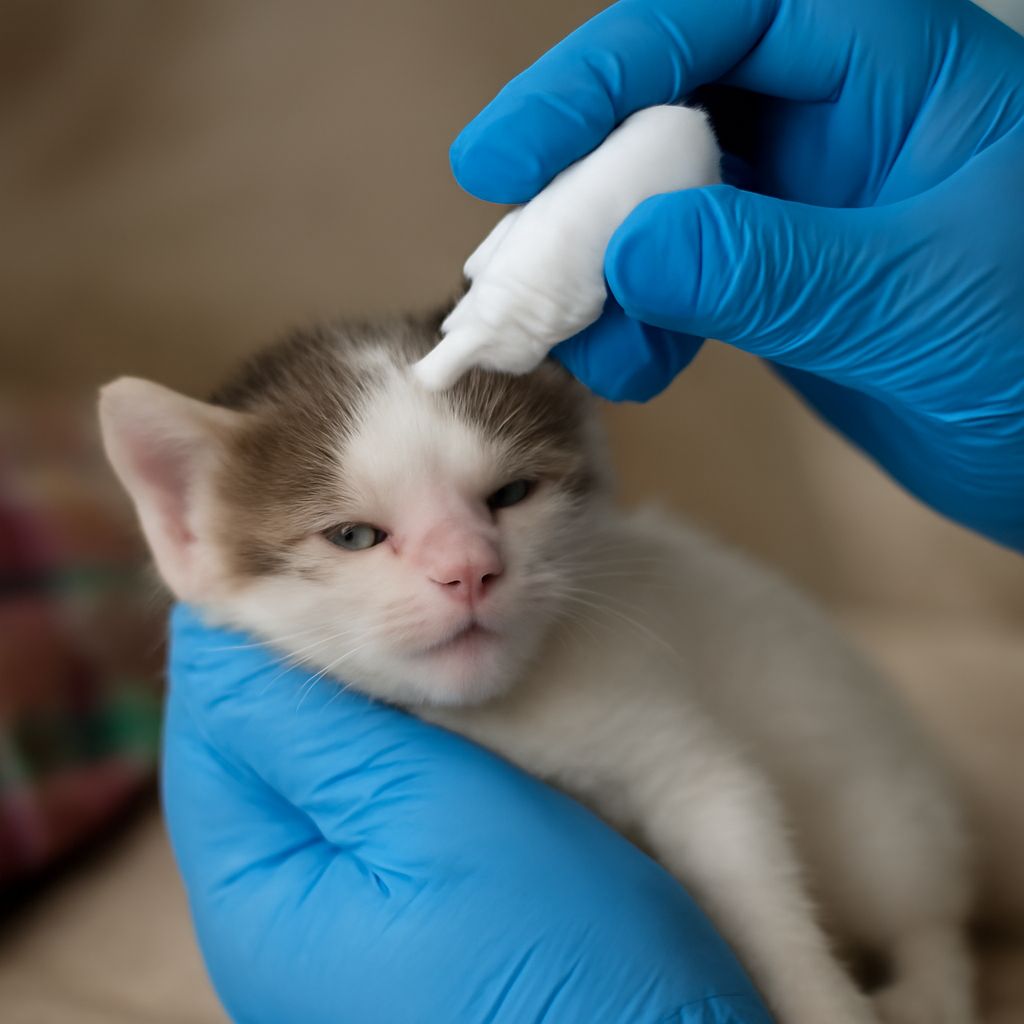
Applying eye drops to your cat can be a delicate process, requiring patience and a gentle touch. First, ensure both your cat and you are calm. Begin by cleaning around the eye with a damp cotton ball to remove any discharge. Hold your cat gently but securely, tilting her head slightly upwards. Using one hand, carefully open the eyelid, and with the other, apply the prescribed number of drops. It’s crucial to follow the veterinarian’s instructions regarding dosage and frequency. Rewarding your cat with a treat afterward can help make the process smoother and less stressful in the future.
Signs of Pain and Cancer in Cats
Recognizing signs of pain and possible indicators of cancer in cats is vital for early intervention and management. While some symptoms might overlap with those of common eye issues, others are more indicative of severe conditions. Behavioral changes, such as increased hiding or decreased appetite, can suggest pain. In terms of eye health, persistent redness, unresponsive pupils, or unusual growths around the eyes may require immediate veterinary attention. Understanding these signs can facilitate prompt diagnosis and treatment, potentially improving your cat’s prognosis and comfort.