
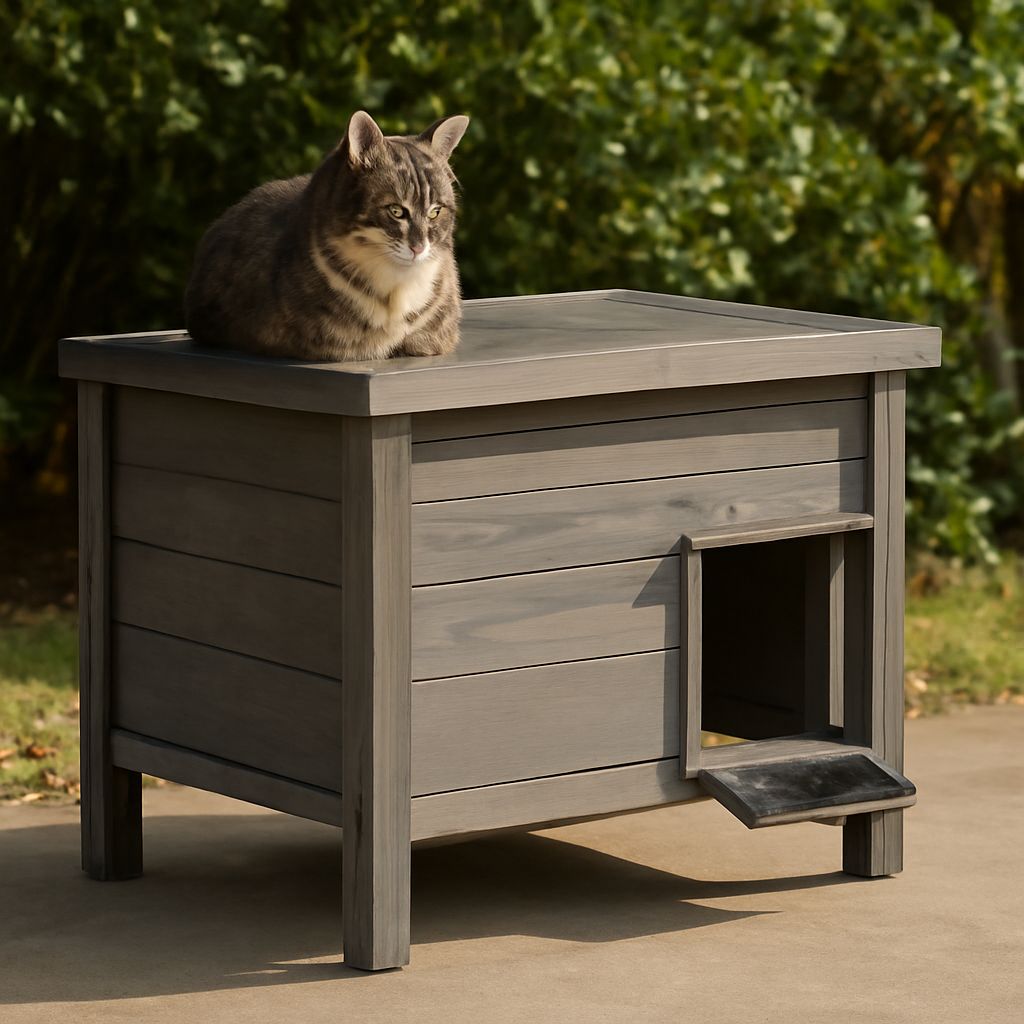
Imagine stepping into your backyard on a crisp autumn morning. The leaves crunch underfoot, and there’s a soft rustle in the bushes. You glance over and see your feline friend nestled comfortably in a cozy outdoor cat shelter. This essential haven, a waterproof cat house, ensures your pet is safe from the elements. But with numerous choices available, selecting the right outdoor house for cats can be daunting. How do you ensure it’s the perfect fit for your cat’s needs? This guide will walk you through the crucial aspects of choosing a cat shelter outdoor to keep your feline friends safe and dry.
Understanding the Need for Cat Houses for Outside
Why Outdoor Shelters are Important
Outdoor shelters for cats serve a vital role in protecting them from unpredictable weather conditions. Whether you have an outdoor cat or you’re caring for a local stray, providing a safe space is crucial. A well-designed cat house for outside offers protection from rain, wind, and snow, ensuring their comfort and safety.
Benefits of a Waterproof Cat House
One of the most significant advantages of a waterproof cat house is its ability to keep your feline dry during wet seasons. By preventing water ingress, these shelters help maintain a warm and inviting interior, reducing the risk of health issues that can arise from prolonged exposure to damp conditions. Additionally, waterproof options often feature enhanced durability, making them a sound investment.
Top Features to Look for in an Outdoor Cat Shelter
Weather Resistance and Durability
Weather resistance is paramount when choosing an outdoor cat shelter. Look for materials that withstand harsh elements, such as UV-protected plastics or treated wood. Durability ensures your investment lasts through multiple seasons, providing consistent protection for your cat.
Size and Comfort Considerations
Comfort is key for any cat house. Ensure the shelter is spacious enough for your cat to move comfortably yet snug enough to retain warmth. Multiple entrances can provide easy access and escape routes, increasing your cat’s sense of security.
Best Materials for a Cat Shelter Outdoor
Wooden vs. Plastic: Pros and Cons
Wooden shelters offer a natural look and excellent insulation but may require more maintenance over time. Plastic options, on the other hand, are typically lighter and easier to clean but may not insulate as well as wood. Consider your climate and maintenance preferences when choosing between these materials.
Insulation and Ventilation
Proper insulation is essential to keep your outdoor house for cats warm during colder months. Materials like foam padding or thermal layers can enhance warmth. At the same time, ventilation is crucial to prevent the buildup of harmful moisture or odors inside the shelter.
Top Recommendations for Outdoor House for Cats
Budget-Friendly Options
For those on a budget, several cost-effective models offer solid protection without breaking the bank. Look for simple, durable designs that provide essential features like waterproofing and basic insulation.
Premium Picks for All-Weather Protection
If you’re looking to invest in a high-quality shelter, premium models offer advanced features such as heating pads, UV resistance, and reinforced structures to withstand extreme weather conditions. These options provide the ultimate comfort and safety for your cat.
DIY Tips for Building Your Own Outdoor Cat Shelter
Materials You Will Need
Building a DIY cat shelter can be a rewarding project. Essential materials include weather-resistant wood or sturdy plastic, insulation like straw or foam, and waterproof lining. Ensure you have the necessary tools such as a saw, drill, and screws.
Step-by-Step Construction Guide
Start by designing a simple box shape with an elevated base to avoid ground moisture. Secure the structure with nails or screws, and add insulation within the walls. Ensure the roof is sloped for water runoff and cover it with waterproof material. Finally, create an entrance that’s easy for your cat to access yet provides adequate protection from the elements.
Maintenance Tips for Your Waterproof Cat House
Cleaning and Care
Regular cleaning is essential to maintain a healthy environment for your cat. Remove debris and replace bedding periodically. Inspect for any damage and repair promptly to retain the waterproofing efficacy.
Seasonal Adjustments
As seasons change, consider adjusting the shelter’s insulation and ventilation. Add extra padding during winter for warmth and ensure adequate airflow during summer to prevent overheating.
Safety Recap: When using tools for building or maintaining your cat house, always prioritize safety. Wear protective gear and follow instructions carefully. Regular maintenance will ensure your waterproof cat house remains a safe haven for your feline friend.