
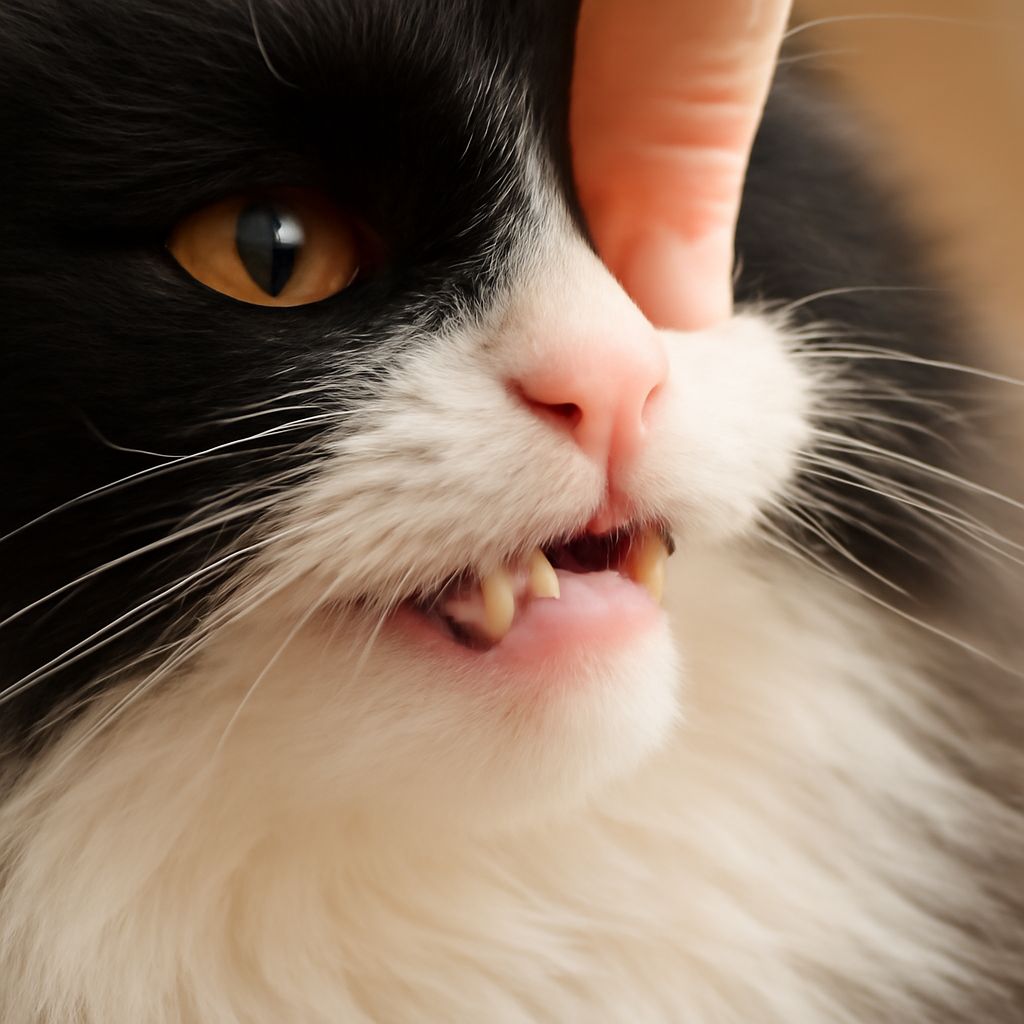
Imagine you’re gently stroking your cat, and you decide to take a quick peek at their teeth. You lift the lip and notice the gum color seems off. Questions flood your mind: Is this normal? Should you be concerned about your cat’s health? Understanding cat gum color can be an important part of maintaining your pet’s overall well-being. It can also be the first step in determining if something might be wrong, such as the need for a cat itchy skin home remedy or even an over the counter cat conjunctivitis treatment. Knowing how to recognize normal cat gums can help you act promptly to keep your furry friend healthy.
Understanding Normal Cat Gums and Their Importance
What Are Normal Cat Gums?
Normal cat gums are typically light pink in color, much like the color of healthy human gums. This is an indication that your cat’s circulation is functioning correctly and that their oral health is in good standing. When you examine your cat’s gums, they should feel smooth and moist to the touch.
Why Cat Gum Color Matters The color of your feline’s gums can be a crucial indicator of their health. Just as cat gum color can signal a problem, it can also reassure you that all is well. Pale or white gums may indicate anemia, while red or inflamed gums can suggest issues like gingivitis or infection. Keeping an eye on this aspect of your cat’s health is as critical as monitoring their diet and exercise.
Signs of Healthy Cat Gums
Aside from being a healthy shade of pink, your cat’s gums should not have any swelling, lesions, or unusual textures. When you apply gentle pressure to your pet’s gums, the color should blanch to a lighter pink or white and return to its normal pink shade within a couple of seconds. This is known as capillary refill time and is a good sign of circulatory health.
Common Gum Issues in Cats
Cat Has Black Gums: Causes and Concerns
If your cat has black gums, it might be a natural pigmentation, especially in darker-furred breeds, or it could be more concerning. Black or dark-colored gums might indicate dental problems or larger systemic issues. It’s always best to consult with a veterinarian if you notice any changes in your cat’s gum color.
When to Consult a Vet About Gum Color Changes
Changes in your cat’s gum color can be symptomatic of underlying health issues. If you notice persistent redness, inflammation, or any colors deviating from light pink, it’s time to consult your veterinarian. Early diagnosis and treatment can make a significant difference in the outcome of your pet’s health.
Home Remedies and Treatments for Related Issues
Cat Itchy Skin Home Remedy Tips
If your cat is scratching more than usual, it might not be directly related to their gums, but it can still be a sign of discomfort that needs addressing. A simple home remedy involves ensuring your cat has a balanced diet rich in Omega-3 fatty acids, which can improve skin health. Regular grooming can also help alleviate itching by removing excess fur and dander.
Over the Counter Cat Conjunctivitis Treatment Options
Sometimes gum issues can be accompanied by other health problems like conjunctivitis. While it’s usually best to see a vet, over-the-counter treatments like saline eye drops can help alleviate symptoms until you can arrange a professional consultation. Always choose remedies specifically designed for cats to avoid potential harm.
Safety Recap: Regularly check your cat’s gums as part of their health regimen. Should you use any home remedies or over-the-counter treatments, make sure they are safe for feline use and consult your vet when uncertain. Monitoring gum health is just one way to ensure your cat enjoys a long, healthy life.