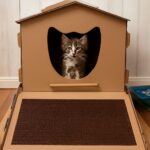
You stand in your living room, watching your cat, Nora, pace back and forth. She’s restless, eager to traverse the boundary between the cozy warmth of your home and the adventures that await in the garden. Suddenly, you remember the tale of the cat who walked by himself—a poignant reminder of feline independence. But have you ever wondered about the origins of the humble cat door, a small invention that grants such freedom? Often attributed to the genius of Isaac Newton, the story behind the cat door is as intriguing as it is unclear.
As you consider installing a modern cat door for Nora, you might ask yourself: Who invented this ingenious portal? Was it really Isaac Newton? Or is it just a myth passed down through generations? Join us as we explore the fascinating history, cultural significance, and contemporary innovations that make the cat door an essential part of many homes.
The Origins of the Cat Door
Who Invented the Cat Door?
The invention of the cat door is a topic shrouded in mystery and legend. While there is no definitive answer, many stories credit Isaac Newton with its creation. According to lore, Newton, absorbed in his experiments, was constantly interrupted by his cat scratching at the door. To solve this, he is said to have created a small opening for his feline friend, laying the groundwork for what we now know as the cat door.
Isaac Newton Cat Door: Myth or Reality?
The tale of the Isaac Newton cat door persists, yet historical evidence is scarce. Some argue that such a story romanticizes Newton’s life, blending fact with fiction. Regardless of its truth, the narrative highlights the timeless need for a solution to feline comings and goings, a need that transcends centuries.
Historical Uses of Cat Doors
Cat doors have likely existed in various forms long before Newton’s time. In medieval Europe, cats were vital for controlling pests, and some homes featured simple openings to allow feline access. These early iterations of the cat door highlight the enduring relationship between humans and their independent companions.
Cultural Impact of Cat Doors
The Cat Who Walked by Himself: A Literary Connection
Rudyard Kipling’s tale, The Cat Who Walked by Himself, captures the essence of feline autonomy. The cat door serves as a physical manifestation of this independence, allowing cats to come and go as they please while maintaining their bond with humans. This literary connection underscores the door’s symbolic significance.
I Am the Cat Who Walks by Himself: Symbolism in Literature
The phrase “I am the cat who walks by himself” symbolizes self-reliance and freedom. Literature often uses cats as metaphors for independence, with the cat door acting as a gateway that respects and facilitates this characteristic.
Modern Day Cat Doors
Innovations in Home Access for Cats
Today’s cat doors are a far cry from their rudimentary ancestors. Modern designs include features like microchip access, energy-efficient materials, and advanced locking mechanisms, ensuring both convenience and security. These innovations reflect our evolving understanding of home access solutions for pets.
Nora the Cat: A Modern-Day Celebrity and Her Cat Door
Nora, your own feline celebrity, highlights the importance of the cat door in the modern household. Her ease of movement between the indoors and outdoors showcases how contemporary cat door designs cater to both pet and owner needs, enhancing daily life.
Choosing the Right Cat Door for Your Home
Factors to Consider
When selecting a cat door, consider factors such as size, location, security features, and energy efficiency. The ideal door should accommodate your cat’s size and your home’s aesthetic, while also providing peace of mind with secure entry options.
Installation Tips
Proper installation is key to a functional cat door. Ensure it is at the appropriate height for your cat and that the door frame is securely mounted. For those unfamiliar with DIY projects, professional installation services can provide a reliable and hassle-free setup.
Key takeaways: The cat door, often attributed to Isaac Newton, represents both a practical innovation and a cultural symbol of feline independence. Modern designs continue to enhance home access for pets, ensuring convenience and security. Choose the right cat door to suit your home and your pet’s needs.