
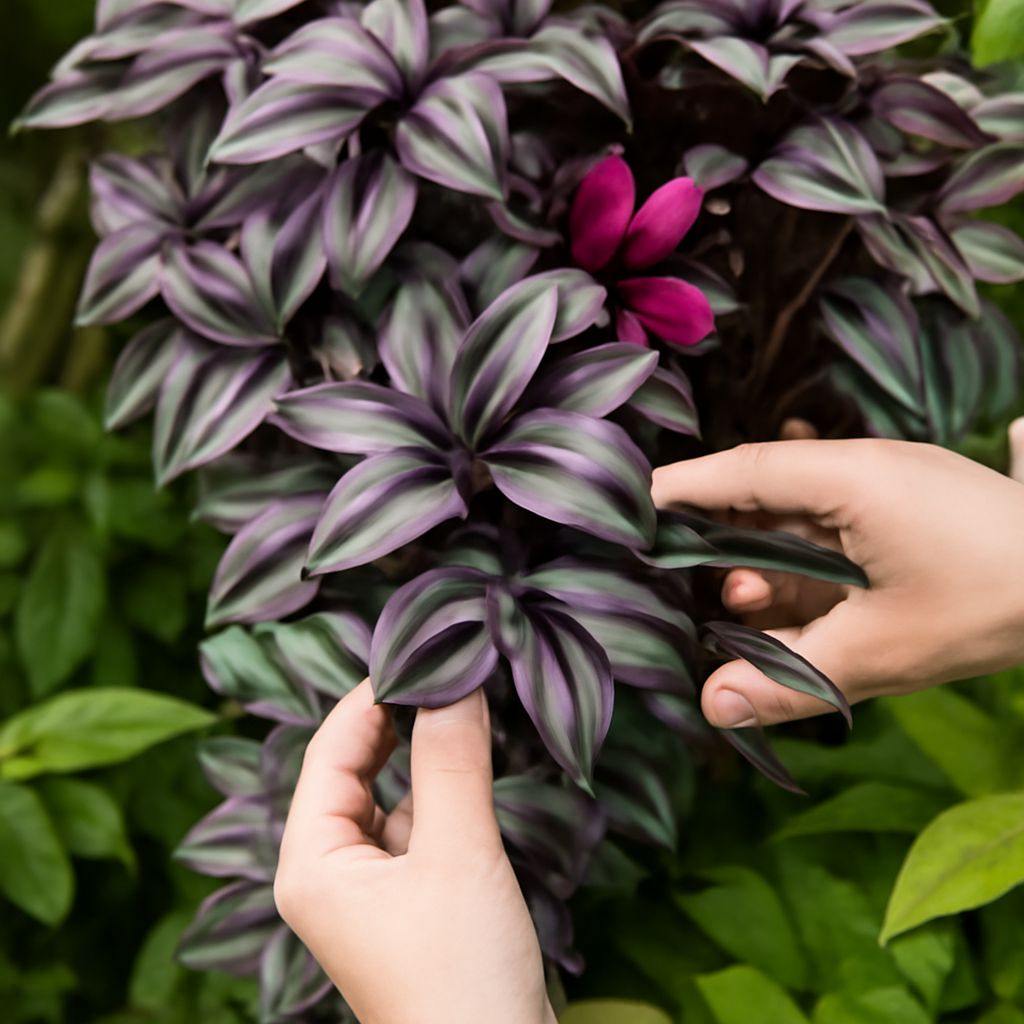
Imagine stepping into your living room, your curious feline companion trotting alongside you. You glance at the vibrant bromeliads on the windowsill, their colors a stunning contrast to the greenery around them. Suddenly, a question crosses your mind: “Are bromeliads toxic to cats?” As a loving pet owner, ensuring your cat’s safety is a top priority. You might also wonder about other popular houseplants, like the wandering jew or the graceful majesty palm. Understanding which plants are safe is essential to crafting a home that is both beautiful and pet-friendly.
Understanding Plant Toxicity to Cats
Cats are naturally curious creatures, often inclined to nibble on plants within their environment. However, some plants contain compounds that can be harmful to cats, leading to mild to severe reactions. Understanding plant toxicity is crucial for pet owners who want to maintain a safe home environment. Toxicity levels can vary even among different species of the same plant family, and some symptoms of poisoning might only become apparent after significant exposure.
It’s essential to differentiate between non-toxic, mildly toxic, and highly toxic plants. Non-toxic plants may cause minor stomach upset if ingested, while mildly toxic plants can lead to more severe gastrointestinal distress. Highly toxic plants pose serious health risks and can potentially be life-threatening. By learning about the toxicity of specific plants, you can better protect your feline friends.
Are Bromeliads Toxic to Cats?
The good news for bromeliad enthusiasts is that bromeliads are generally considered non-toxic to cats. This vibrant plant family, known for its striking foliage, is usually safe for curious cats who might decide to take a nibble. While bromeliads are non-toxic, ingestion can still lead to mild stomach upset in some cats due to their sensitive digestive systems. It’s always a good practice to monitor your pet after they come into contact with any new plant.
Incorporating bromeliads into your home can enhance your indoor garden without fearing for your cat’s health. Nevertheless, ensure to keep an eye on your cat’s interactions with these plants to prevent any potential digestive discomfort.
Is Wandering Jew Toxic to Cats?
Unlike bromeliads, the wandering jew plant, which is known for its trailing vines and vibrant leaves, can be toxic to cats. This plant contains compounds that can cause irritation and discomfort if ingested. Symptoms may include stomach upset, skin irritation, and in some cases, more severe reactions. Pet owners should exercise caution when introducing a wandering jew into their home if they have cats.
If your cat shows signs of distress after coming into contact with this plant, consulting with a veterinarian is advisable. It’s essential to either place this plant out of reach or consider alternative, non-toxic plants if you have feline companions.
Are Air Plants Toxic to Cats?
Air plants, known for their unique ability to thrive without soil, are popular among plant enthusiasts. Fortunately, they are non-toxic to cats, making them a safe option for pet-friendly households. These plants can be placed in creative displays around your home without posing a threat to your furry friends.
Even though air plants are safe, it’s always wise to observe your cat’s behavior around them. Some cats might find them tempting to chew on, which could lead to minor digestive issues. As with any plant, moderation is key to ensuring your pet’s well-being.
Majesty Palm Toxic to Cats: A Safe Choice?
The majesty palm is another plant that cat owners can consider without worry. This elegant plant, often used for indoor decoration, is non-toxic to cats. Its tall fronds and lush appearance add a tropical flair to any room, providing aesthetic benefits without endangering your cat.
While the majesty palm is safe, it’s important to ensure that your cat does not excessively chew on the fronds. Doing so might cause minor digestive disturbances but generally poses no serious health risks. Responsible plant care and monitoring your pet’s interactions can prevent any issues.
Key takeaways: Selecting non-toxic plants like bromeliads, air plants, and majesty palms ensures a safe environment for cats. Meanwhile, care should be taken with plants like the wandering jew, which can be harmful. Understanding plant toxicity helps in crafting a pet-friendly home.