Imagine you’re lounging in your garden, the sun’s warm rays on your skin, when you notice your feline friend pawing at her eyes more than usual. Could it be that your cat has seasonal allergies? You might wonder if cat eye infections are part of the problem. As an attentive pet owner, understanding cat eye health is crucial. With the changing seasons, it’s important to know how seasonal allergies might affect your cat’s skin and coat, while recognizing the potential risks of using human medicine for cats. Let’s delve into the world of feline eye care and seasonal allergies to ensure your beloved pet stays healthy and comfortable.
Introduction to Cat Eye Infection
Cat eye infections can be distressing for both the feline and their owner. These infections may arise due to bacteria, viruses, or allergies, leading to symptoms such as redness, discharge, and excessive blinking. Recognizing these signs early enables prompt care, potentially minimizing discomfort and preventing further complications.
Understanding the underlying causes of an eye infection is essential. Seasonal allergies are a common contributor, especially when allergens are abundant. The presence of pollen, mold, or dust can irritate the delicate eye area, causing significant discomfort to your cat.
Can Cats Have Seasonal Allergies?
Just like humans, cats can indeed suffer from seasonal allergies. These allergies occur when a cat’s immune system overreacts to environmental substances such as pollen and mold spores. Cats with these allergies might exhibit various symptoms, impacting their overall well-being.
Unlike humans, cats may not show typical allergy symptoms like sneezing or runny noses. Instead, they might experience more subtle signs that affect their skin and coat. This makes it essential for cat owners to be vigilant during high-allergen seasons.
Signs of Seasonal Allergies in Cats
Identifying signs of seasonal allergies in cats requires keen observation. You might notice your cat grooming excessively, or the presence of bald spots on her coat. Additionally, skin irritation or inflammation may occur, indicating an allergic reaction.
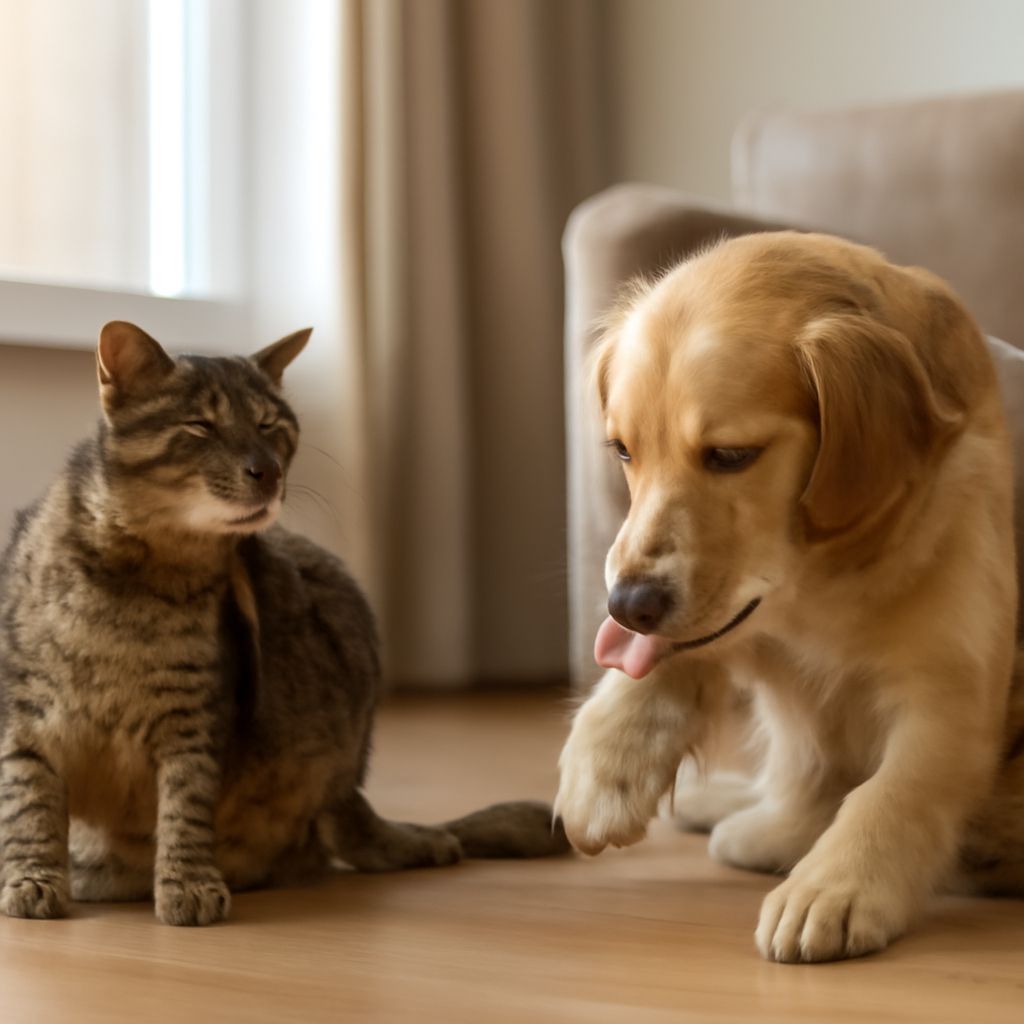
The eyes, however, are often affected. Cats may develop watery eyes or show signs of discomfort, such as persistent blinking or pawing. Occasional squinting or a slight swelling around the eyes can also be symptoms of allergies.
It’s crucial to differentiate these signs from those of a more severe eye infection, which might require immediate veterinary attention. Regular check-ins with your vet can help ensure the best care for your feline friend’s skin and coat health.
Managing Cat Seasonal Allergies
Managing seasonal allergies in cats involves several strategies. One effective measure is minimizing exposure to allergens. This can be achieved by keeping your cat indoors during peak pollen seasons and ensuring your home environment is clean and free from dust.
Additionally, maintaining your cat’s skin and coat health is vital. Regular grooming helps remove allergens trapped in the fur, reducing irritation. Special hypoallergenic shampoos can soothe skin discomfort, enhancing your cat’s overall comfort.
Diet also plays a significant role in managing allergies. A balanced diet fortified with omega fatty acids can support skin health and reduce allergic reactions. Consult your veterinarian for tailored advice on dietary adjustments that suit your cat’s needs.
Risks of Human Medicine for Cats
While it might be tempting to treat your cat’s allergy symptoms with human medicine, this poses significant risks. Cats metabolize substances differently, and what is safe for humans can be harmful or even toxic to cats.
Never administer human medications to your cat without consulting a veterinarian. Some drugs can cause adverse reactions, impacting your cat’s health and potentially leading to severe complications.
Veterinarians can prescribe suitable treatments designed for feline physiology. Opt for these expert recommendations to ensure your cat receives safe and effective care.
Safety Recap: When dealing with eye infections or seasonal allergies, always prioritize veterinary advice. Avoid using human medicine on cats and focus on maintaining a clean, allergen-free environment to promote their overall health and comfort.