
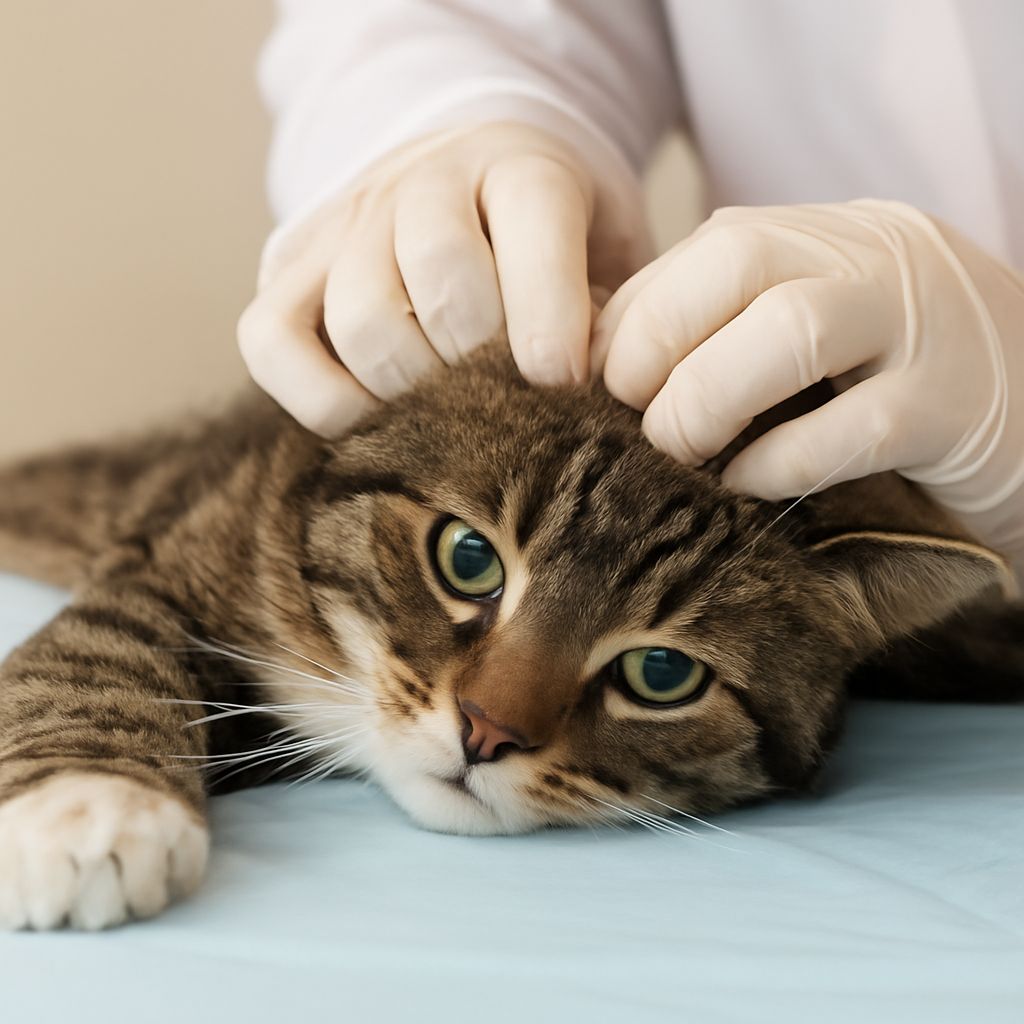
Imagine coming home to find your beloved feline companion stumbling around, their movements unsteady and uncoordinated. They seem to be struggling with balance, and you notice they are having trouble with their back legs. This unsettling scene is a common manifestation of ataxia in cats, a condition that arises from neurological disorders in cats. In these moments of stress, understanding the causes and solutions becomes crucial for your pet’s health.
What Is Ataxia in Cats?
Ataxia in cats refers to a lack of coordination and balance, which often affects the way a cat moves. It is a symptom rather than a disease itself and can arise from various underlying neurological issues. Cats with ataxia may appear wobbly, have difficulty with their back legs, or exhibit unusual gait patterns.
Causes of Ataxia
The causes of ataxia in cats are numerous and can include inner ear infections, trauma, and even genetic conditions. Neurological disorders might lead to disruptions in the brain or spinal cord, impacting a cat’s ability to maintain normal movement. Toxic exposure and certain infections are also known contributors.
Symptoms of Ataxia
Symptoms of ataxia can vary depending on the underlying cause but generally include unsteady gait, swaying, and difficulty with precise movements. In some cases, the cat might also experience head tilts or display signs of distress and anxiety due to their lack of coordination.
Diagnosis of Ataxia
Diagnosing ataxia involves a thorough examination by a veterinarian, who may perform neurological tests and imaging studies such as MRI or CT scans to determine the root cause. Blood tests and potential exposure to toxins might also be explored to pinpoint the precise issue affecting your pet.
Understanding Neurological Disorders in Cats
Neurological disorders encompass a wide range of conditions that impact the brain, nerves, and spinal cord in felines. These disorders can severely affect a cat’s quality of life, making it crucial for owners to understand the potential issues and their implications.
Common Neurological Problems
Beside ataxia, other common neurological problems in cats include seizures, vestibular disease, and neuropathies. Each of these conditions can manifest differently, making it essential for pet owners to be vigilant about any changes in their cat’s behavior or movement patterns.
Impact on Cats’ Back Legs
Many neurological disorders can specifically impact a cat’s back legs, resulting in weakness or even paralysis. Such conditions might stem from spinal cord injuries or diseases affecting the nerves that control hind limb movement. This can lead to significant mobility challenges for affected cats.
Stress and Anxiety Effects
Neurological issues can often exacerbate stress and anxiety in cats, compounding their discomfort. This can lead to behavioral changes such as increased vocalization, aggression, or withdrawal. Managing stress is critical to providing a comfortable and supportive environment for your cat.
Treatment and Management of Neurological Issues
While some neurological disorders can be severe, various treatments and management strategies can help improve the quality of life for cats affected by these conditions. It is important to work closely with your veterinarian to develop an appropriate care plan.
Medical Treatments
Treatment options depend heavily on the specific diagnosis. Medications might be prescribed to manage symptoms or to address underlying causes such as infections. In some cases, surgery may be necessary to correct physical abnormalities or remove tumors affecting neurological function.
Home Care Tips
Caring for a cat with neurological issues involves creating a safe and supportive environment. Minimize obstacles that might increase the risk of falls, and consider using soft bedding to protect sensitive areas. Regular vet visits are essential to monitor your cat’s progress and adjust care plans as needed.
Preventive Measures
Preventing neurological problems can be challenging, but maintaining overall health through regular veterinary check-ups, a balanced diet, and preventing exposure to toxins can mitigate risks. Early detection and intervention are key to managing potential neurological disorders effectively.
Key takeaways: Ataxia in cats, a symptom of underlying neurological issues, requires timely diagnosis and care to improve feline health. Understanding the impact of these disorders on mobility and behavior helps in providing better support for your pet. Proactive management and a safe environment can significantly enhance the quality of life for cats dealing with these conditions.