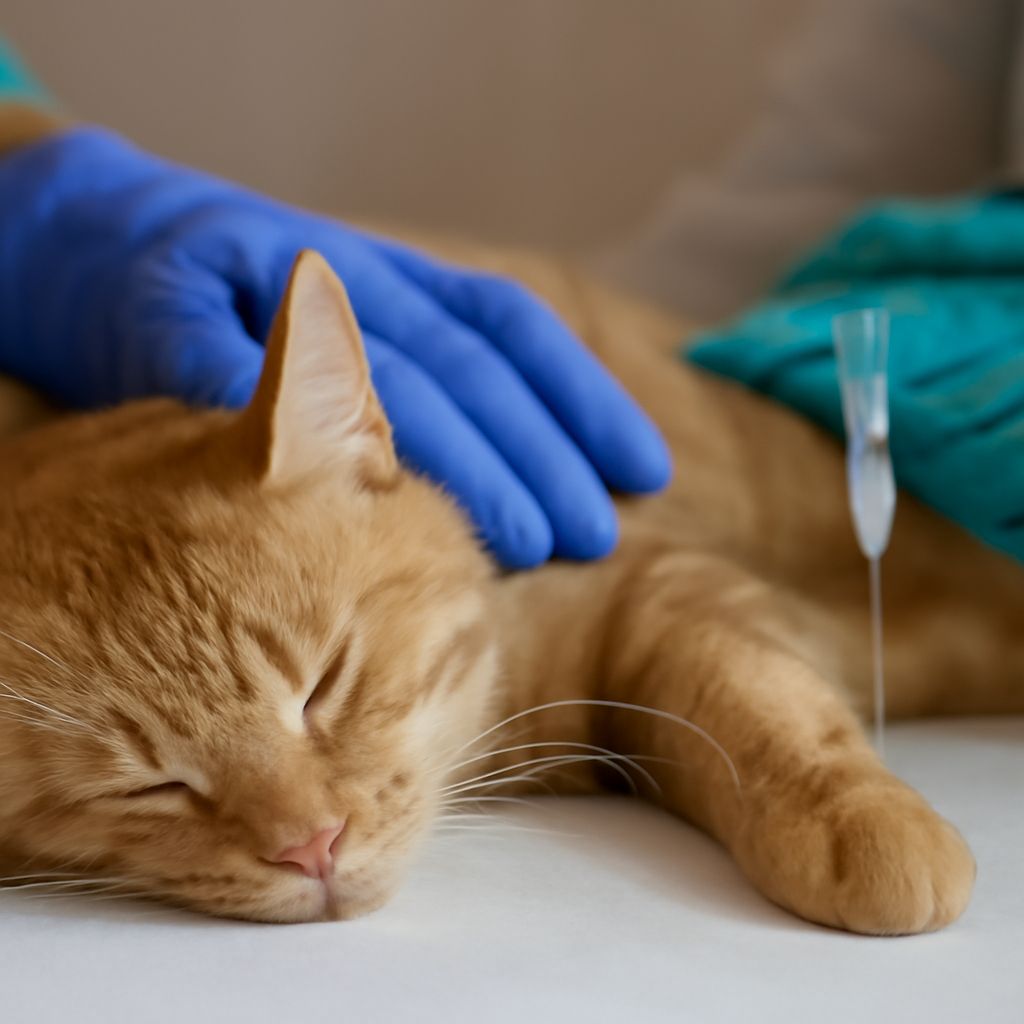
Imagine coming home to find your beloved feline friend behaving unusually lethargic, with signs of vomiting and a diminishing appetite. Panic sets in as you recall the term “distemper” and wonder if this could be the dreaded disease affecting your treasured pet. You might ask yourself, how do cats get distemper, and what are the signs of distemper in cats? The knowledge about symptoms of distemper in cats can often seem overwhelming, yet understanding it is vital for the health and safety of your companion.
In this guide, we delve into what is distemper in cats, discussing the symptoms, transmission, how to protect your pet, and the importance of vaccinations. While the signs may be concerning, being well-informed empowers you to take timely action and provide the care your cat needs.
Understanding What is Distemper in Cats
Overview of Distemper
Distemper in cats, also known as feline panleukopenia virus (FPV), is a highly contagious and life-threatening viral disease. This virus primarily attacks the rapidly dividing cells in a cat’s body, leading to severe health issues. Though the term “distemper” is commonly associated with dogs, the feline version is distinct in its characteristics and progression.
Causes of Distemper in Cats
The root cause of distemper in cats is the feline parvovirus, which thrives in various environments and is resilient to many common disinfectants. Infection typically occurs when a cat comes into contact with the virus present in the secretions, feces, or urine of an infected animal. The virus is notorious for its ability to survive in harsh conditions, making it a significant threat to unvaccinated cats.
Signs and Symptoms of Distemper in Cats
Common Symptoms of Distemper in Cats
The symptoms of distemper in cats often include fever, vomiting, diarrhea, and dehydration. Infected cats may also exhibit significant lethargy, loss of appetite, and weight loss. These signs can escalate rapidly, making early detection and medical intervention crucial.
Distemper Symptoms in Cats vs. Other Illnesses
While the signs of distemper in cats are severe, they can sometimes be confused with other feline illnesses such as feline leukemia or upper respiratory infections. Unlike other diseases, distemper causes a marked decline in white blood cells, which can be identified through blood tests. Consulting a veterinarian for accurate diagnosis is essential to determine the correct treatment path.
How Do Cats Get Distemper
Transmission Methods
Cats primarily contract distemper through direct contact with infected animals or their bodily fluids. The virus can also be transmitted indirectly via contaminated objects like food bowls, litter boxes, or bedding. Kittens, especially those not vaccinated, are at the highest risk of contracting this disease.
Prevention Strategies
Preventing distemper in cats begins with vaccination, which is highly effective in safeguarding against this virus. Ensuring your cat’s environment is clean and minimizing exposure to potentially infected animals can also reduce the risk. Regular veterinary check-ups and maintaining up-to-date vaccinations are crucial preventive measures.
Treatment and Prevention of Distemper in Cats
Veterinary Treatments
Once diagnosed, treatment for distemper focuses on supportive care to manage symptoms and prevent secondary infections. This may include fluid therapy to counter dehydration, medications to control vomiting and diarrhea, and antibiotics to prevent bacterial infections. It’s imperative to follow your veterinarian’s advice closely to enhance recovery prospects.
Home Care Tips
Providing a quiet, comfortable space for your cat to rest is vital during recovery. Ensure they have easy access to fresh water and a balanced diet to support their immune system. Monitoring their condition and immediately reporting any changes to your vet can make a significant difference in their recovery.
Vaccination Importance
Vaccination is the most effective measure to prevent distemper in cats. Regular booster shots, as recommended by your veterinarian, ensure sustained immunity. Discussing your cat’s vaccination schedule with your veterinarian and adhering to it is critical in providing lifelong protection against this disease.
Safety Recap: While caring for a cat with distemper, it’s important to use protective measures to avoid the spread of infection. Always wash your hands thoroughly after handling your cat or their belongings, and ensure that other pets are vaccinated to prevent the spread of this potentially deadly virus.