Imagine you’re sitting quietly in your living room, a steaming cup of tea in hand, watching your beloved feline friend dart around the room. This cat, with its enigmatic personality, keeps you endlessly entertained. Have you ever wondered if the color of your cat might influence its behavior? As you observe, you notice how this particular cat, raised by huskies, seems to possess unique traits that might just be more than coincidence. Thoughts drift to the myths surrounding lucky cat colors and the silly viral videos you’ve seen of cats getting scared by cucumbers. And as for the practice of holding a cat by the scruff, what’s the truth behind this age-old technique?
Understanding Cat Personalities by Color
It’s fascinating to consider the possibility that the color of a cat’s fur could be linked to its personality. Many cat lovers believe that black cats tend to be mysterious and quiet, while orange cats are thought to be more social and affectionate. These associations, while not scientifically proven, capture the imaginations of cat owners around the world. Calico cats, with their patchwork of colors, are often seen as playful and independent. Such beliefs may stem from cultural stories and anecdotes shared over generations.
Beyond mere superstition, there is some evidence suggesting that different colored cats might exhibit distinct behavioral tendencies. For instance, a study published in the Journal of Applied Animal Welfare Science found that calico and tortoiseshell cats were more likely to exhibit behaviors perceived as bold or feisty. However, these findings are not definitive and should be taken with a grain of salt. Always remember that each cat, regardless of color, is an individual with its unique personality.
Holding a Cat by the Scruff: Myths and Realities
The practice of holding a cat by the scruff is often seen as a way to control or discipline them. Many believe it’s a safe and effective method, reminiscent of how mother cats carry their kittens. However, adult cats do not respond the same way to being scruffed. While mother cats do use this technique with kittens, it is primarily a nurturing gesture, not a controlling one. For adult cats, being held by the scruff can be uncomfortable and should be avoided unless necessary for medical handling by professionals.
It’s important to approach your cat with kindness and understanding, using other methods to encourage desired behavior. Creating a stress-free environment and using positive reinforcement can go a long way in maintaining a happy and healthy relationship with your cat.
Lucky Cat Color Meanings Across Cultures
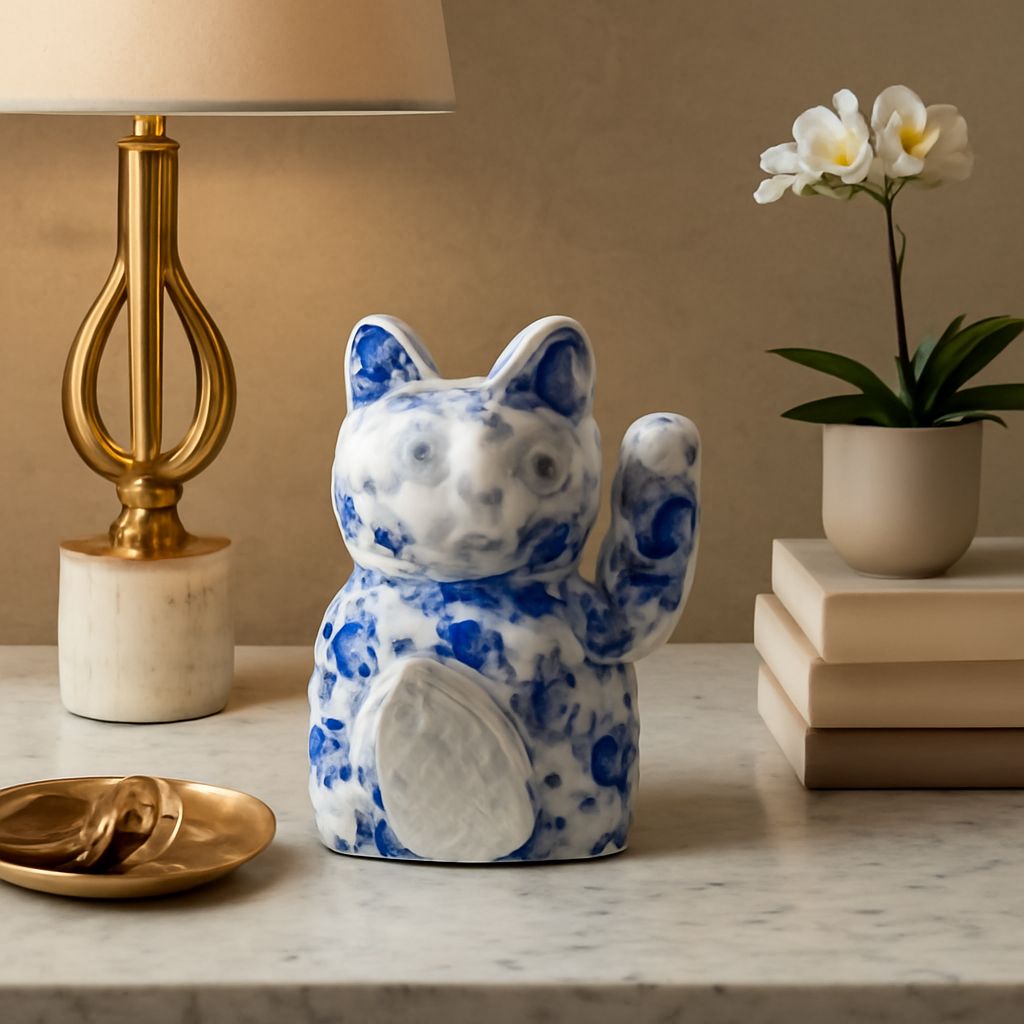
In cultures worldwide, the color of a cat can hold significant meaning. In Japan, the Maneki-neko, or “beckoning cat,” is often depicted with different colored spots, each symbolizing a different form of luck. The classic tricolor cat, or calico, is considered the luckiest, believed to bring good fortune and prosperity. Black cats, often misunderstood in the West, are seen as protectors against evil spirits in other cultures.
These cultural beliefs highlight the fascinating ways humans have intertwined the world of cats with folklore and symbolism. While it’s fun to explore these ideas, remember that a cat’s color does not determine its destiny or character. Each feline friend adds its unique charm to your life, regardless of its coat.
Why Do Cats Get Scared by Cucumbers?
The phenomenon of cats jumping in fear at the sight of cucumbers has puzzled many. This reaction, captured in numerous online videos, tends to occur because the cucumber is placed behind the cat without its knowledge. Cats are naturally alert creatures, and an unexpected object appearing suddenly can startle them, much like how we might react to a surprise.
It’s important to note that intentionally scaring a cat for entertainment is not recommended. Such actions can cause stress and anxiety, impacting their health and trust. To keep your cat comfortable, always introduce new objects into their environment gradually and with care.
The Unique Behavior of a Cat Raised by Huskies
Raising a kitten in the company of huskies can lead to some intriguing and unusual behaviors. Cats raised among dogs often adopt canine-like traits, such as wagging their tails or fetching toys. This unique blend of behaviors can be attributed to the cat’s mimicry and adaptation to the social cues of its companions.
Such cross-species upbringing highlights the adaptability of cats and their ability to form bonds beyond their species. It speaks to the broader theme of how environment and upbringing can shape behavior in profound ways, sometimes blurring the lines between instinctual behavior and learned traits.
Safety recap: When handling your cat or introducing new elements into their environment, always prioritize their well-being and comfort. Understanding your cat’s personality, whether influenced by color, upbringing, or other factors, can help foster a harmonious relationship grounded in care and respect.