Imagine walking through your door after a long day, and as you greet your feline friend, you’re hit with an unmistakable odor that makes you wrinkle your nose. Your cat smells like pee, and you can’t quite figure out why. Perhaps you’re puzzled, wondering if it’s something in their environment, a health issue, or something else entirely. You might be tempted to overlook the problem, hoping it will resolve itself, but deep down, you know you need to understand the cause and find a solution. After all, ensuring your furry companion’s well-being is a priority, and addressing any foul smells is a part of that care.
Common Reasons Your Cat Smells Like Pee
There are several common reasons why a cat might smell like urine. One of the most frequent causes is poor litter box hygiene. When the litter box isn’t cleaned regularly, your cat might step in urine or feces, transferring the smell onto their fur. Additionally, some cats have a habit of marking their territory, which can lead to residual smells if they accidentally get the urine on themselves.
Another reason could be linked to diet. A cat’s diet can influence the smell of its urine. Foods that are high in certain nutrients or additives might result in a stronger odor. Furthermore, if your cat has long fur, it may inadvertently trap odors from the litter box or other areas they explore.
Health Issues That Cause Your Cat to Stink
Sometimes, a noticeable odor might indicate an underlying health issue. Urinary tract infections (UTIs) can lead to odor changes because they affect how urine smells. Bladder infections and kidney problems are other medical conditions that might result in a foul-smelling cat.
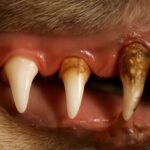
Furthermore, if your cat has arthritis or other mobility issues, it might struggle to groom itself adequately, leading to an accumulation of odors. Dental issues can also be a culprit, as a cat with bad breath might have a more pervasive smell overall. Regular check-ups can help identify these issues early and ensure your cat gets the necessary treatment.
How to Determine If Your Cat Smells Due to Urinary Problems
Determining if your cat’s odor is a result of urinary problems involves observing their behavior and physical condition. If your cat is urinating more frequently or seems to be in discomfort during urination, it could be a sign of a urinary tract infection. Additionally, changes in urine color or consistency can also be indicative of health problems.
Pay attention to whether your cat is grooming excessively or avoiding it altogether, as this might hint at discomfort. An unusual smell is often accompanied by other symptoms, so keeping an eye on changes in your cat’s behavior can help pinpoint the cause of the smell.
Preventive Measures to Keep Your Cat from Smelling Bad
Preventive care is key to keeping your cat smelling fresh. Start by maintaining a clean litter box environment, which involves scooping out waste daily and thoroughly washing the box weekly. Consider switching to a high-quality litter that neutralizes odors effectively.
Regular grooming can also help manage odors. Brushing your cat frequently, especially if they have long fur, can prevent dirt and smells from accumulating. Additionally, providing a diet that supports urinary health can minimize the risks of odors due to dietary causes. Supplements like cranberry extract can assist in maintaining urinary tract health.
When to Consult a Veterinarian About Cat Odors
If your cat’s odor persists despite your best efforts, it might be time to consult a veterinarian. A professional can perform tests to rule out health issues such as infections, organ dysfunction, or other conditions that could be causing the smell. Early diagnosis is crucial for effective treatment and can often resolve the problem quickly.
Veterinarians can also offer advice on diet and grooming practices tailored to your cat’s specific needs, ensuring that you’re doing everything possible to keep them healthy and odor-free.
Key takeaways: Understanding why your cat smells like pee requires observing their environment and health. Regular grooming and maintaining a clean litter area are essential. Consult a veterinarian if odors persist, as it could indicate a health issue needing professional attention.