
Imagine walking into a veterinary clinic, your mind swirling with concerns about how much it might cost to declaw a cat. You’ve done your research and understand the implications, yet the average cost of declawing a cat still feels like a daunting mystery. As you ponder if that bill will align with what you’ve heard about how much it costs to spay or neuter a cat, the prospect of making the right decision becomes even more pressing. You’re keen to learn about all potential alternatives to declawing your cat, ensuring the best long-term health for your beloved pet.
Understanding the Cost to Declaw a Cat
Factors Affecting the Declawing Cost The cost to declaw a cat can vary significantly based on several factors. The location of the veterinary clinic plays a crucial role, as prices tend to be higher in urban areas compared to rural regions. Additionally, the method used for declawing can impact the overall expenditure. Laser declawing, for instance, is typically more expensive than the traditional surgical method due to the advanced technology involved. Veterinary expertise and the clinic’s facilities can also add to the expense, as well as any pre- and post-operative care required.
Average Cost of Declawing a Cat in Different Regions When contemplating how much to declaw a cat, it’s essential to consider the average cost of declawing a cat across different areas. In major cities, you might find costs ranging from $300 to $500, while in smaller towns, it could be $100 to $250. These figures can fluctuate depending on whether additional services are included, such as pain management or follow-up visits. Understanding these regional differences can help in budgeting effectively for your pet’s procedure.
Comparing Declawing Costs with Spaying or Neutering While considering the price to declaw a cat, many pet owners also explore how much it costs to spay or neuter a cat. Typically, spaying or neutering is less expensive, often ranging from $50 to $200 depending on the clinic and location. This procedure is generally considered routine, with fewer complications compared to declawing. Comparing these costs can provide insight into budgeting for your cat’s healthcare needs and evaluating the necessity of each procedure.
Health Implications of Declawing
Potential Risks and Complications
Declawing a cat is not without risks. Potential complications include infection, bleeding, and behavioral changes post-surgery. Cats may experience pain and discomfort, leading to possible reluctance to use their litter boxes or changes in social behavior. It’s critical to weigh these risks against the perceived benefits, ensuring that you make an informed decision that prioritizes the well-being of your feline companion.
Long-Term Health Effects
The long-term health effects of declawing can be significant. Cats may develop arthritis or experience chronic pain due to the alteration in their natural movement and posture. This can lead to reduced mobility and affect their quality of life. Considering these potential outcomes is essential when evaluating whether to proceed with such a permanent procedure.
Alternatives to Declawing Your Cat
Behavioral Training Techniques
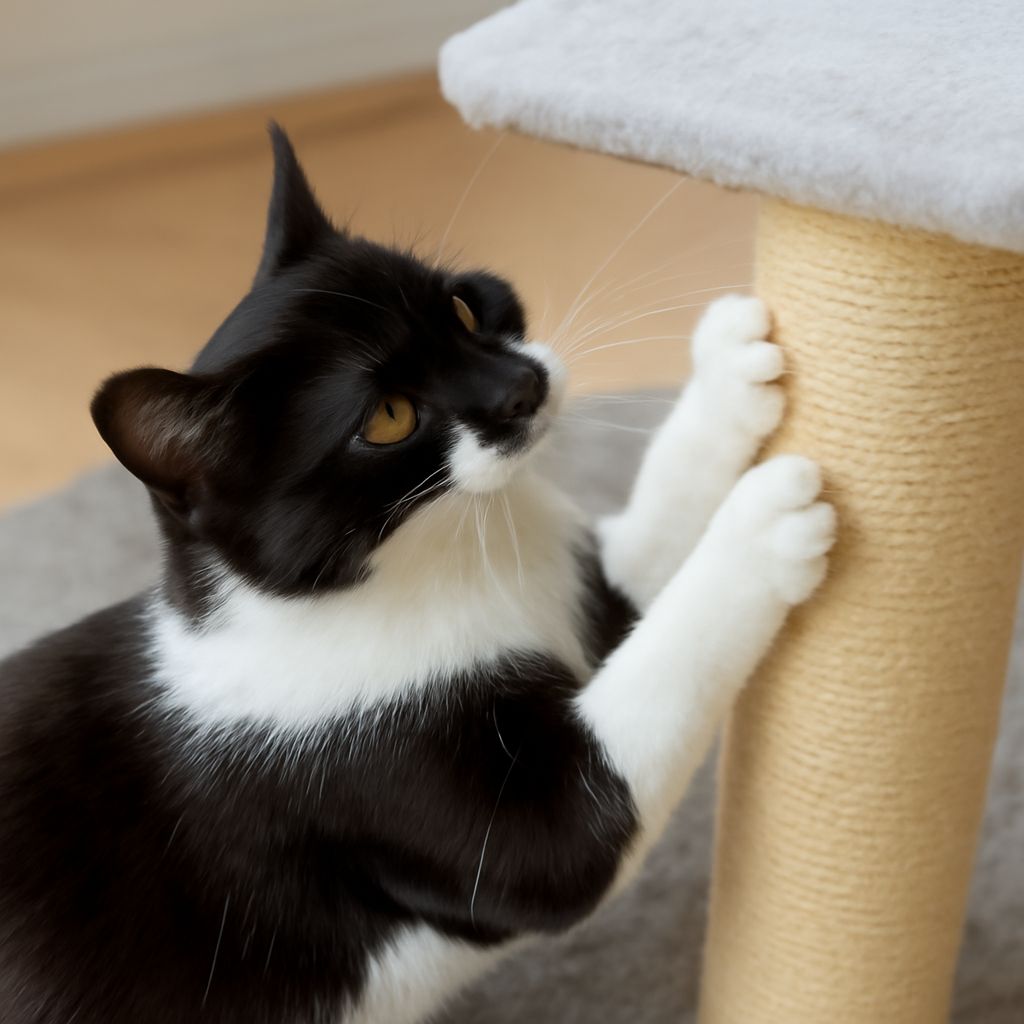
One viable alternative to declawing involves implementing behavioral training techniques. Training your cat to use scratching posts instead of furniture can be a successful strategy. Consistency and positive reinforcement are key to encouraging your cat to adopt these new behaviors. By investing time in training, you can avoid the need for invasive procedures and enhance your cat’s overall happiness.
Using Nail Caps
Nail caps offer a non-surgical alternative to declawing, preventing damage to household items without compromising your cat’s health. These caps, made from soft material, are glued onto the cat’s claws, allowing them to retract and extend normally. Although they require periodic replacement, nail caps are a humane option that can protect both your cat and your furniture.
Regular Nail Trimming
Regular nail trimming is another effective method to avoid the need for declawing. By maintaining your cat’s nails at a manageable length, you minimize the risk of damage while preserving their natural abilities to climb and play. This routine care, combined with proper training and environmental enrichment, can ensure that your cat remains healthy and content without undergoing surgery.