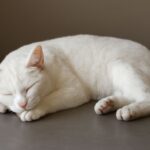
Imagine you’re relaxing at home when you hear an unusual sound. It’s your feline companion, and this time, the noise is not the usual purr or meow—your cat is wheezing. As you lean in closer, you notice that your cat also sneezes more frequently, especially when sleeping. You realize that these signs could be more than just a temporary annoyance; they might indicate an underlying health issue that needs attention. Understanding the causes and treatment options for cat wheezing and sneezing can help you provide the best care for your pet.
Causes of Wheezing in Cats
Common Respiratory Issues
Cats often experience respiratory problems that can lead to wheezing. Infections such as upper respiratory infections caused by viruses or bacteria can obstruct airways, resulting in wheeze-like sounds. Conditions like bronchitis and pneumonia are also prevalent and can exacerbate breathing difficulties.
Environmental Factors
Environmental factors play a significant role in exacerbating wheezing in cats. Pollutants such as cigarette smoke, dust, and other airborne particles can irritate a cat’s respiratory tract. Ensuring a clean and smoke-free environment is crucial in reducing the risk of respiratory distress.
Allergies and Asthma
Allergies are another common cause of wheezing in feline friends. Cats can be allergic to a range of substances, including pollen, mold, and certain foods. Asthma, a chronic inflammatory condition of the airways, can also lead to severe wheezing episodes, especially when exposed to allergens.
Obstructions and Foreign Bodies
Occasionally, a wheezing cat might have an obstruction or foreign body lodged in its airways. This could range from small items accidentally ingested to tumors or polyps growing in the respiratory tract. Prompt veterinary consultation is necessary if an obstruction is suspected.
Symptoms of Cat Sneezing and Wheezing
Identifying Sneezing Patterns
Observing your cat’s sneezing patterns can offer valuable insights into their respiratory health. Frequent sneezing that persists over several days is often a sign of an underlying issue, especially if accompanied by discharge from the nose or eyes.
Wheezing When Sleeping
Some cats wheeze more noticeably when they are sleeping. This can be due to the relaxation of the throat or nasal passages, which exacerbates any existing obstructions or respiratory conditions. Monitoring your cat’s sleep patterns can help you detect these issues early.
Additional Respiratory Signs
Other respiratory signs may include coughing, labored breathing, and lethargy. These symptoms indicate that the cat’s respiratory system is compromised and requires medical attention to prevent further complications.
Diagnosis and Treatment Options
Veterinary Examination
A thorough veterinary examination is essential to diagnosing the cause of wheezing and sneezing in cats. This typically involves a physical examination, chest X-rays, and possibly blood tests to identify infections or other conditions.
Treatment for Allergies
For cats diagnosed with allergies, treatment focuses on minimizing exposure to allergens and administering antihistamines or corticosteroids to manage symptoms. Identifying specific triggers is vital for effective management.
Managing Asthma in Cats
Asthma management in cats usually involves a combination of medication and lifestyle changes. Inhalers or oral medications can reduce inflammation and widen the airways, while reducing stress and maintaining a healthy environment can prevent flare-ups.
Surgical Interventions
In cases where obstructions or tumors are causing the respiratory issues, surgical intervention may be necessary. A veterinarian will assess the need for surgery based on the location and severity of the obstruction.
Preventive Measures for Respiratory Health
Improving Air Quality
Improving the air quality in your home is a proactive step towards maintaining your cat’s respiratory health. Using air purifiers, regularly cleaning, and avoiding smoking indoors can significantly reduce irritants.
Regular Health Check-Ups
Regular veterinary check-ups are crucial in catching respiratory issues early. Routine examinations can help monitor your cat’s overall health and address any potential concerns before they become serious.
Diet and Lifestyle Adjustments
Maintaining a balanced diet and a healthy lifestyle can support your cat’s respiratory system. Ensuring your cat is at a healthy weight and has regular exercise helps improve overall lung function and resilience against respiratory issues.
Key takeaways: Monitoring your cat’s respiratory patterns for signs of distress is essential. Ensuring a clean environment, identifying allergies, and seeking veterinary care for persistent issues can help keep your feline friend healthy and happy.