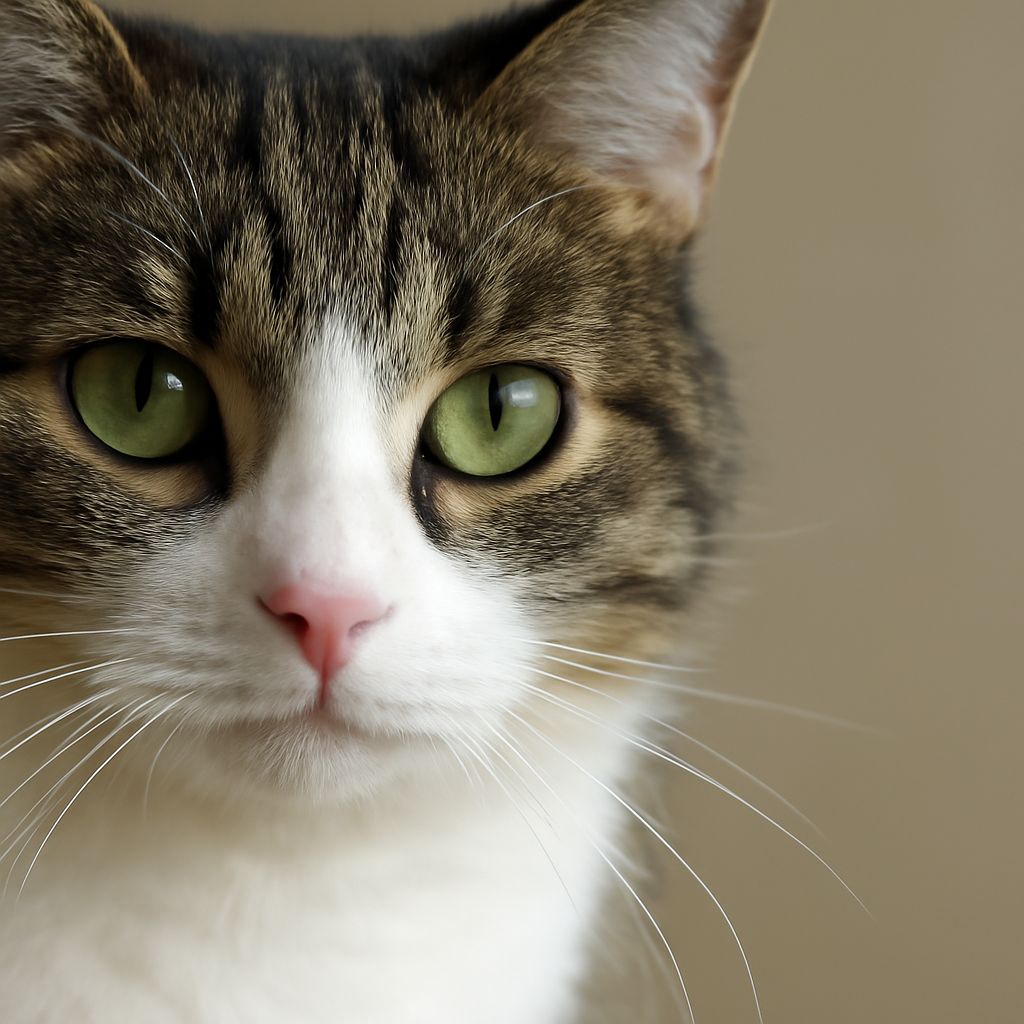
Imagine you’re snuggling up with your feline friend, and you notice their nose is wet. This might make you wonder, “Is a wet cat nose normal? Should I be concerned?” As you investigate, you find that a cat’s wet nose is often a sign of health. Understanding why your cat’s nose is wet can shed light on their overall well-being and even their nutrition. So, let’s dive into why cats nose wet is crucial and what it means when your cat’s nose is wet.
Why Is a Cat’s Nose Wet?
The Science Behind a Cat’s Wet Nose
A cat’s nose is typically wet due to the secretion of mucus. This mucus is essential as it helps cats enhance their sense of smell. The moisture on the nose allows scent particles to stick, amplifying a cat’s ability to detect surrounding odors. Additionally, the wetness can assist in regulating body temperature, functioning as a cooling mechanism on hot days.
Common Reasons for Cats Nose Is Wet
There are multiple reasons why your feline friend’s nose may be wet. Routine activities such as grooming or drinking water can result in a temporarily wet nose. Moreover, environmental factors like humidity can also influence the degree of wetness. For most cats, a wet nose is perfectly normal and generally indicates good health.
Is a Wet Cat Nose Always Healthy?
While a wet cat nose is often a sign of sound health, it’s not always the case. Excessive nose moisture can sometimes be a symptom of underlying health issues, such as respiratory infections or allergies. If your cat’s wet nose is accompanied by other concerning symptoms like sneezing or nasal discharge, it may be time to seek veterinary advice.
The Connection Between a Wet Cat Nose and Nutrition
How Diet Affects Cats Wet Nose
The diet you provide plays a crucial role in maintaining your cat’s overall health, including its wet nose. Proper nutrition ensures that your cat’s bodily functions, including mucus production, work optimally. A balanced diet rich in essential nutrients can support the health of your cat’s nose, keeping it appropriately moist.
Signs of Nutritional Deficiency in Cats
Nutritional deficiencies might manifest through changes in the moisture level of your cat’s nose. If a cat’s nose becomes unusually dry or excessively wet, it could indicate inadequate nutrition. Look for signs such as a change in coat condition, energy levels, or digestive health, which may accompany nose changes.
Best Feeding Practices for Maintaining Cats Nose Wet
Feeding your cat a balanced diet with the right mix of proteins, fats, vitamins, and minerals is essential. Ensure that your cat’s meals consist of high-quality ingredients that support hydration and overall health. Regularly monitor their eating habits and adjust their diet as necessary to help maintain a healthy wet cat nose.
Foods That Support a Healthy Wet Cat Nose
Incorporate foods that bolster mucous membrane health into your cat’s diet. Wet cat food containing omega fatty acids, essential vitamins, and minerals can aid in keeping your cat’s nose moist. Including a variety of high-quality proteins will provide the necessary nutrients for maintaining a cat’s wet nose and overall health.
When to Be Concerned About Cats Nose Is Wet
Symptoms of Underlying Health Issues
If your cat’s nose is persistently wet or shows other worrying symptoms, it could be a sign of a health problem. Symptoms like excessive sneezing, coughing, or nasal discharge might indicate respiratory issues or allergies. Monitoring these signs can help determine whether your cat requires veterinary attention.
Consulting a Veterinarian
Consult a veterinarian if your cat’s wet nose is coupled with other concerning symptoms. Your vet can assess your cat’s condition and recommend appropriate treatments. Regular check-ups can help ensure that any potential health issues are addressed promptly, contributing to the overall well-being of your feline companion.
Key takeaways: A cat’s wet nose often reflects their health and nutritional status. Understanding the reasons behind cats nose wet can guide you in maintaining your cat’s well-being. Regular veterinary consultations are advised if you observe concerning symptoms alongside a wet nose. Proper nutrition plays a pivotal role in supporting the health of your cat’s wet nose.