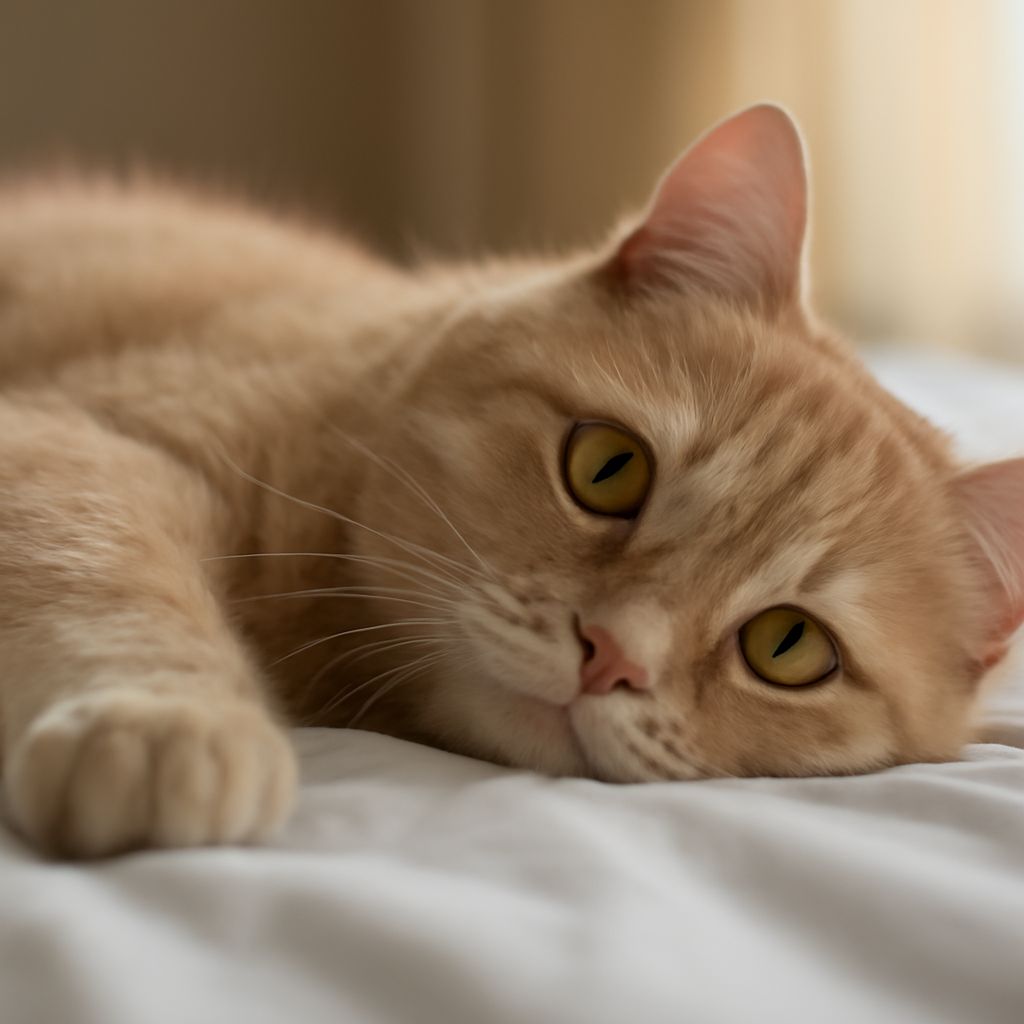
Imagine you come home after a long day, and you notice your beloved feline is unusually lethargic. As you clean the litter box, you discover unsettling evidence: diarrhea. It’s a scene no cat owner wants to face, yet it’s a common issue many encounter. Discovering your cat has diarrhea can be alarming, triggering questions about the causes and solutions. Understanding why cats get diarrhea is crucial to ensuring their health and comfort. In this guide, we delve into the various factors that might lead to this condition and offer practical advice on how to address it effectively.
Common Causes of Diarrhea in Cats
Diarrhea in cats can stem from numerous sources, ranging from dietary indiscretions to infections. Identifying the root cause is essential to provide appropriate care and prevent recurrences.
Dietary Causes of Cat Diarrhea
Often, a change in diet can lead to digestive upset in cats. Introducing new foods too quickly or indulging them in rich, unfamiliar foods may result in diarrhea. Cats have sensitive digestive systems, and even minor adjustments in their meals can trigger loose stools.
Parasitic Infections Leading to Diarrhea
Parasites, such as giardia and roundworms, are a frequent culprit in causing diarrhea among cats. These parasites can be contracted through contaminated water, food, or environments. Regular deworming and maintaining a clean living space can reduce the risk of parasitic infections.
Bacterial and Viral Causes
Bacterial infections like Salmonella or viral infections such as feline panleukopenia often manifest as diarrhea. These infections can be severe, requiring veterinary intervention. Vaccinations and maintaining good hygiene are vital preventive measures.
Underlying Health Conditions
Chronic health issues, including inflammatory bowel disease (IBD) or hyperthyroidism, can also present with diarrhea. Monitoring your cat’s overall health through regular veterinary check-ups can help in early detection and management of these conditions.
Stress and Environmental Factors
Stress from changes in the home environment, such as moving or the addition of new pets, can upset a cat’s digestive balance, leading to diarrhea. Providing a stable, comforting environment is important for minimizing stress-induced digestive issues.
Why Do Cats Get Diarrhea: Identifying Triggers
Identifying the specific triggers of diarrhea can help tailor a suitable approach to treatment and prevention.
Food Sensitivities and Intolerances
Some cats may develop intolerances to specific ingredients, such as dairy or certain proteins, resulting in diarrhea. Eliminating these triggers and opting for hypoallergenic diets can alleviate symptoms.
Impact of Sudden Dietary Changes
An abrupt transition from one diet to another can shock a cat’s digestive system. Gradually introducing new foods over a period of 7-10 days can help prevent diarrhea associated with dietary changes.
Ingestion of Toxic Substances
Cats are curious creatures, often ingesting substances that can upset their stomachs. Household plants, chemicals, and spoiled food are common culprits. Keeping harmful items out of reach ensures their safety.
Effects of Antibiotics and Medications
Certain medications, particularly antibiotics, can disrupt gut flora, causing diarrhea. If you suspect medication as the cause, consult your veterinarian to adjust the treatment plan.
Managing and Treating Cat Diarrhea
Addressing diarrhea requires a combination of immediate actions and long-term strategies to ensure your cat’s health.
Immediate Steps to Take
When your cat experiences diarrhea, ensure they have access to fresh water to prevent dehydration. Temporary fasting for 12-24 hours can help the digestive system recover. Always observe for any worsening symptoms.
When to See a Veterinarian
If diarrhea persists beyond 24-48 hours or is accompanied by vomiting, weight loss, or fever, seek veterinary care. Diagnostic tests may be necessary to determine the underlying cause.
Dietary Adjustments for Recovery
After fasting, reintroduce food gradually, starting with bland, easily digestible items like boiled chicken or rice. Specialized veterinary diets designed for sensitive stomachs can also be beneficial.
Preventive Measures for Cat Diarrhea
Consistency is key in preventing future episodes. Avoid sudden dietary changes, regularize parasite control, and maintain a stress-free environment. Regular veterinary check-ups will help in monitoring and addressing any emerging health issues promptly.
Bottom line: Diarrhea in cats is a common yet manageable issue when addressed with prompt care and preventive strategies. Understanding the various causes and maintaining vigilance over their diet and environment can ensure your cat remains healthy and happy.