You’re petting your beloved feline when you suddenly notice uneven textures on their skin—dry skin scabs. You think, “Could this be the reason why my cat keeps scratching but doesn’t have fleas?” It’s a puzzle, given that fleas seem to be absent, yet the constant scratching persists. As you explore deeper into this matter, questions arise: Are there underlying causes that need attention? What can be done to soothe cat itchy skin effectively? The good news is, there’s a path to understanding and resolving this common issue.
Understanding Cat Dry Skin Scabs
Cats are known for their meticulous grooming habits, but when scabs appear, it signals a deviation from their norm. Recognizing what these scabs signify is vital. Scabs on a cat’s skin result from healing wounds or irritation due to external or internal factors. These crusty patches can cause discomfort, leading to excessive scratching or grooming. Identifying the nature of these scabs is the first step in addressing your pet’s health needs.
Common Causes of Scabs on Cats
Various factors contribute to the development of skin scabs in cats. Identifying the root cause is crucial for effective treatment.
Allergies
One common factor is allergies, which can affect cats just like humans. Allergic reactions in cats may arise from food ingredients, environmental elements, or contact allergens. These reactions can lead to itchy skin, resulting in scratching and subsequent scabbing. While your cat might not have fleas, allergies could be the unseen culprit behind their discomfort.
Infections
Bacterial or fungal infections can also cause skin irritation and result in scabs. These infections might develop from minor scratches or cuts, exacerbated by constant licking or scratching. Infection-related scabs often need medical attention to prevent escalation.
Parasites
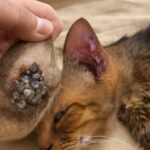
Even if your cat isn’t dealing with fleas, other parasites might be the issue. Mites or ticks can induce severe itchiness and skin irritation. Identifying and managing these parasites is essential for relieving your cat’s symptoms.
Why My Cat Keeps Scratching But Doesn’t Have Fleas
If your cat continues to scratch despite a lack of fleas, it’s time to explore alternative reasons. Dry skin can be a leading factor, often due to low humidity or inadequate nutrition. Cats require fatty acids and vitamins to maintain healthy skin, so dietary insufficiencies may contribute to dryness. Stress is another contributor; changes in environment or routine can elevate anxiety levels, leading to increased grooming or scratching behavior.
Effective Solutions for a Cat with Itchy Skin
Addressing itchy skin involves a multi-pronged approach. Firstly, evaluating your cat’s diet can have a profound impact. Incorporating omega fatty acids and adequate hydration can improve skin condition significantly. Use hypoallergenic shampoos and conditioners specifically designed for feline skin, ensuring they moisturize as well as cleanse.
Additionally, regular grooming helps remove loose fur and dander, reducing the chance of skin irritation. If allergies are suspected, work with a veterinarian to identify and eliminate allergens from your cat’s environment or diet. Always consult professionals before introducing supplements or medications.
Preventing Cat Scratching Neck with No Fleas
Preventative measures can minimize future occurrences of skin scabs. Maintain a consistent grooming routine to keep your cat’s coat in optimal condition. Invest in a humidifier if your home environment is dry, as this can alleviate skin dryness. Regular veterinary check-ups are invaluable, offering early detection of potential issues.
Also, create a stress-free environment by providing your feline with plenty of play and enrichment activities, which might lessen anxiety-induced scratching. Observing your cat’s behavior and habits closely will aid in identifying early signs of discomfort, allowing for prompt intervention.
Bottom line: Scabs on your cat’s skin can be concerning, but understanding the causes and implementing effective solutions can lead to relief. By prioritizing prevention and care, you can ensure your cat remains comfortable and healthy, reducing instances of scratching and scabbing.