Imagine you’re gently petting your beloved feline friend as they nuzzle against you, and suddenly you feel a cool, wet sensation on your arm. You’ve just been introduced to the curious case of a wet cat nose. This common observation leaves many cat owners wondering, “Why are cats’ noses wet?” Beyond the initial surprise, understanding the reasons behind a wet-nosed cat can offer insights into your pet’s health and well-being.
Introduction to Wet Cat Noses
Cats are known for their mysterious behaviors and unique physical traits, one of which is their wet noses. A wet nose in cats is not just a random occurrence but a characteristic feature that serves multiple purposes. This seemingly minor detail plays a role in how cats perceive the world and can indicate various aspects of their health and lifestyle. Understanding why a cat’s nose is wet can inform how you care for your feline companion.
Understanding the Anatomy of a Cat’s Nose
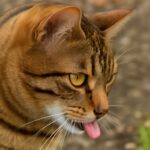
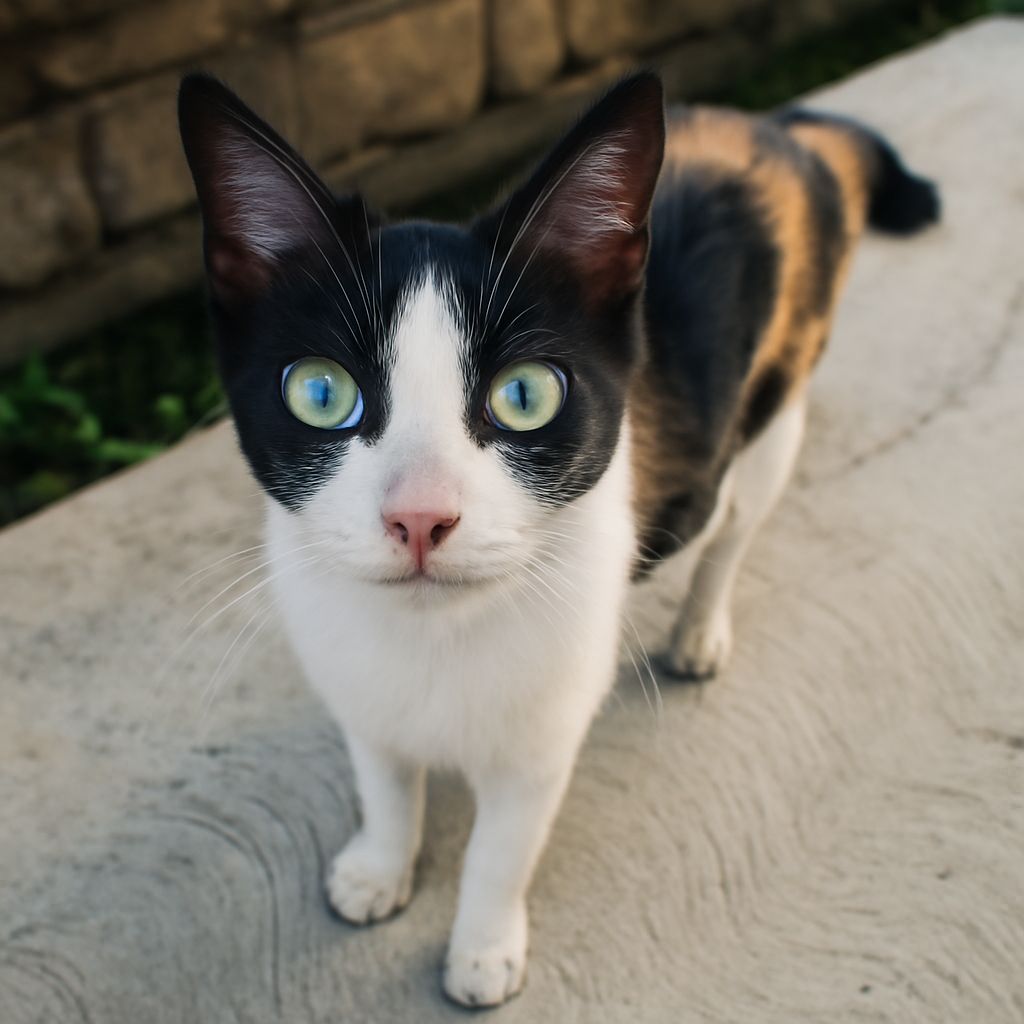
The structure of a cat’s nose is quite intricate, designed to serve several functions. The outer surface of a cat’s nose, known as the rhinarium, is covered in a layer of thin skin. This area is highly vascularized and equipped with numerous glands that secrete moisture, making the nose appear wet. Beneath the surface lies a complex network that contributes to a cat’s highly developed sense of smell. This intricate anatomy enhances their ability to detect scents, which is crucial for hunting and exploring their environment.
Reasons Why Cats Have Wet Noses
There are several reasons why cats have wet noses. Firstly, a moist nose plays a significant role in a cat’s sense of smell. The moisture helps dissolve scent particles, allowing the cat to better detect and process various smells. This heightened olfactory ability is essential for their survival instincts, helping them identify food, identify territory, and sense danger.
Additionally, a cat’s wet nose can help regulate their body temperature. Cats do not sweat like humans; instead, they release heat through their paw pads and noses. The evaporation of moisture from their noses contributes to a cooling effect, aiding in temperature regulation.
Lastly, environmental factors can influence the wetness of a cat’s nose. Humidity levels, the cat’s activity, and even their hydration status can cause variations in how wet their noses feel. A dry nose does not necessarily indicate a health problem, but it can be a sign to monitor your cat for other changes in behavior or health.
Impact of a Wet Nose on a Cat’s Health
While a wet nose is typically a normal feature of feline physiology, it can also offer clues about a cat’s health. A persistently dry nose might be a sign of dehydration or fever, whereas an excessively wet or runny nose could indicate an upper respiratory infection or allergies. Observing your cat’s nose in conjunction with other symptoms such as sneezing, coughing, or lethargy can help in assessing their overall health.
Regular veterinary check-ups can ensure that your cat’s nose wetness, or lack thereof, is not a sign of underlying health issues. Veterinarians can provide guidance on what is considered typical for your cat, helping to differentiate between normal variations and potential concerns.
How Nutrition Influences a Cat’s Nose Wetness
Nutrition can play a subtle yet significant role in the wetness of a cat’s nose. A well-balanced diet with adequate hydration ensures that your cat maintains healthy skin and a properly functioning body. Dehydration can lead to a dry nose, highlighting the importance of providing fresh water and moisture-rich foods.
Incorporating wet cat food into their diet can also support overall hydration. This is particularly important for cats that may not drink enough water. Wet cat food not only satisfies their nutritional needs but also helps maintain optimal body moisture levels, which can reflect in the wetness of their noses.
Moreover, essential nutrients such as omega-3 and omega-6 fatty acids contribute to healthy skin and gland function, supporting the natural wetness of a cat’s nose. Ensuring your cat’s diet includes these nutrients will promote their overall wellness and the natural characteristics of their nose.
Key takeaways: A cat’s wet nose is a fascinating feature with multiple functions, including enhancing their sense of smell and aiding in temperature regulation. While a wet nose is usually normal, changes in its condition can sometimes indicate health issues. Nutrition plays a crucial role in maintaining the health and moisture of a cat’s nose, highlighting the importance of a balanced diet and proper hydration.