Imagine walking into your home after a long day, anticipating the peace that your sanctuary provides. But as soon as you open the door, a pungent smell greets you instead of the familiar comfort. It’s unmistakably the odor of cat urine, a challenge that can disrupt any household. Fortunately, understanding the causes and exploring effective cat urine odor removal methods can restore the harmony in your living space. Let’s dive into the world of cat urine odor removal, exploring how to get rid of cat urine smell in your house with ease.
Understanding the Causes of Cat Urine Odor
Cat urine contains several compounds that contribute to its powerful smell. It’s primarily composed of urea, but as it breaks down, it releases ammonia, a pungent gas that intensifies the odor. Additionally, aging urine can develop mercaptans, the same compounds skunks use for their defense spray, making the smell even more persistent. Understanding these components is crucial for effective cat urine odor removal.
The causes of cat urine issues can range from medical problems, like urinary tract infections, to behavioral concerns such as marking territory. Recognizing these can help address the root of the issue, ensuring long-term solutions rather than temporary fixes.
How to Get Rid of Cat Urine Odor with Household Products
Before reaching for specialized solutions, consider the efficacy of common household products. Vinegar is a popular choice, known for its ability to neutralize ammonia in cat urine. Mix equal parts of water and vinegar and spray the affected area, allowing it to sit for a few minutes before blotting it dry.
Baking soda is another effective tool in your cleaning arsenal. Its alkaline nature helps to absorb and neutralize odors. Sprinkle it generously over the area once it’s dry, let it sit for 15-20 minutes, and then vacuum it up. For deeper stains, a mix of baking soda and hydrogen peroxide can be applied, though testing on an inconspicuous area first is wise to avoid discoloration.
Effective Cat Urine Odor Removal Home Remedies
Natural solutions are often at the heart of cat urine odor removal home remedies. Essential oils such as lavender or tea tree oil can be used to mask the odor while providing additional antibacterial properties. Adding a few drops to your vinegar cleaning solution can enhance its effectiveness.
Another home remedy involves enzymatic cleaners which break down the proteins in cat urine. Although not strictly homemade, some DIY versions using yeast or active cultures in yogurt can mimic these effects by introducing similar enzymes.
Step-by-Step Guide to Cleaning Cat Urine
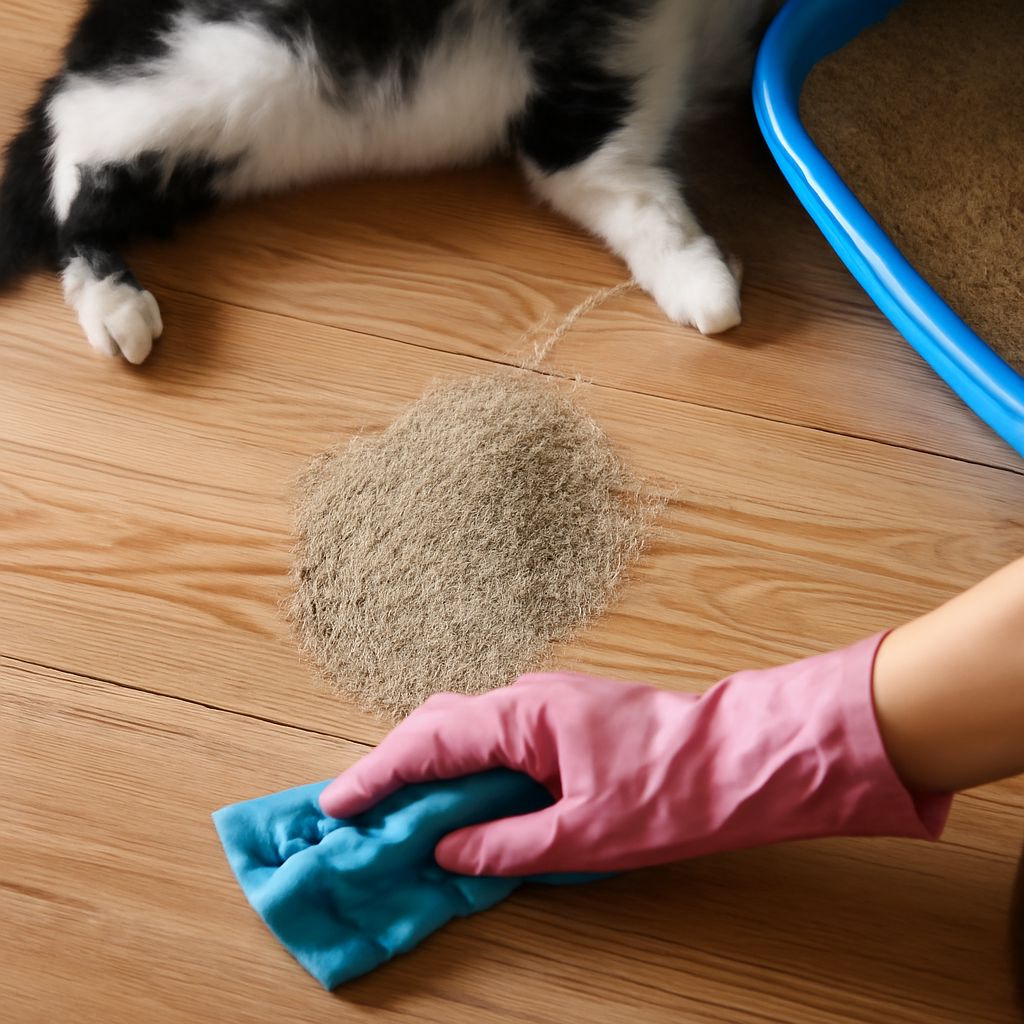
To effectively clean cat urine, follow these steps: First, locate the area affected by the urine. Using a black light can help, as urine stains typically glow under ultraviolet light. Once identified, blot the area with paper towels or an old cloth to soak up as much of the liquid as possible.
Next, apply your chosen cleaning solution—whether it’s vinegar, baking soda, or an enzymatic cleaner—and allow it to sit. This step is crucial for breaking down the urine compounds. After the solution has done its work, blot the area again to remove the excess liquid.
Finally, ensure the area is thoroughly dried to prevent any mold or mildew from forming. Using a fan or open windows can help accelerate the drying process.
Preventing Future Cat Urine Odor Issues
Preventing future problems requires a proactive approach. Ensure your cat’s litter box is kept clean and easily accessible. Regular cleaning is crucial to encourage consistent litter box use. Also, provide your feline friend with enough mental and physical stimulation to reduce stress-related urination issues.
If marking is an issue, consider consulting a vet or a behaviorist to explore underlying concerns. In multi-cat households, ensuring each cat has its own space and resources can greatly reduce territorial marking.
Finally, regularly inspect areas where accidents have occurred to ensure the odors have not returned. If they have, reapply your cleaning solutions promptly to keep your home smelling fresh.
Bottom line: Tackling the issue of cat urine smell in your house requires understanding the biology of the odor, using both household products and home remedies, and establishing preventative measures. By following these guidelines, you can ensure your home remains a welcoming environment for both you and your feline companions.