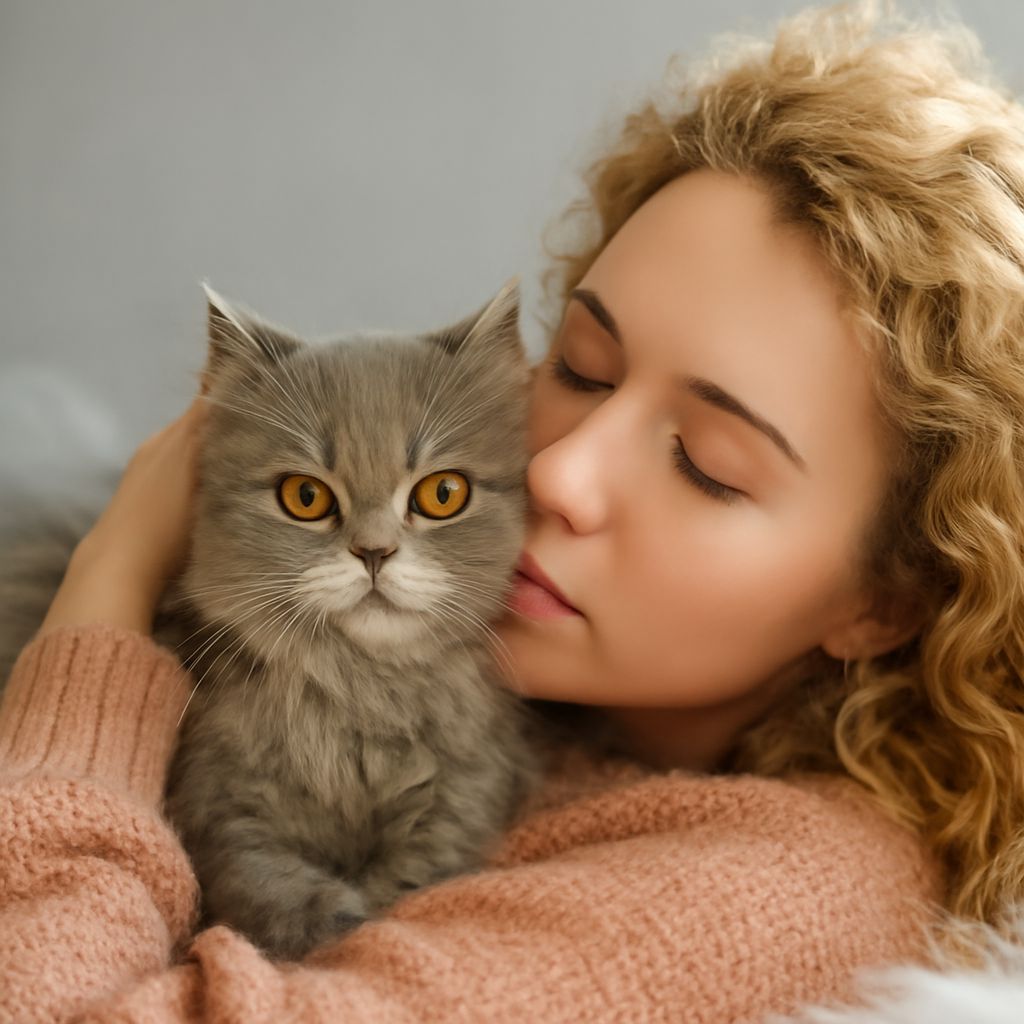
You’ve spent countless evenings curled up with your cat, whispering sweet nothings and gently stroking her soft fur. Yet, every now and then, a question lingers: Does my cat know I love her? As she blinks slowly from across the room or winds herself around your legs, you can’t help but wonder—do cats know we love them, or is this all one-sided?
It’s only natural to seek reassurance that your affection is felt and appreciated. Understanding feline communication is the key to deciphering your cat’s responses and deepening your unique bond. Let’s explore how science, body language, and thoughtful actions bridge the gap between human intention and feline perception.
The Science Behind Cat-Human Bonds
The relationship between people and their feline companions has subtle yet profound roots. While cats were first domesticated thousands of years ago, the way cats interact with humans continues to evolve. Scientific studies suggest that felines form genuine attachments with their caretakers, comparable to the bonds dogs or even human infants form.
Research into cat-human relationships reveals that most domestic cats recognize their guardians as sources of safety and comfort. Behavioral scientists have observed that felines are sensitive to their owners’ moods, often mirroring emotions or seeking closeness during moments of stress. This ability to attune themselves emotionally may not always look like overt affection, but it’s a testament to their social intelligence.
Attachment in cats is often displayed differently than in dogs, but evidence shows that both species can form secure, anxious, or ambivalent connections. Studies using “strange situation” tests—originally designed for infants—find that felines exhibit signs of distress when separated from familiar humans and seek contact upon reunion. These findings highlight that the bond goes beyond mere food provision; it’s built on trust and emotional connection.
Ultimately, science supports the view that cats are capable of not only receiving love but also understanding and responding to it. Your daily routines, shared environments, and affectionate interactions all help to reinforce this special partnership.
How Cats Perceive Human Affection
Cats don’t interpret love in the same ways people do. Instead of placing value on words or grand gestures, feline friends rely heavily on body language and routine to determine feelings. Your pet observes your tone, posture, and actions to gauge your intentions and emotional state.
Unlike humans, who often vocalize or physically express affection, felines are more attuned to subtle signals. For example, a gentle blink or relaxed posture conveys trust and contentment in the cat world. Likewise, the consistency of care—such as regular feeding, gentle grooming, or quiet companionship—communicates safety and affection.
In observing human affection, cats may not immediately grasp the concept as humans do, but they do learn to associate your presence and touch with positive experiences. Over time, they recognize patterns, coming to understand that head scratches, treats, and soft words are linked to your fondness for them.
It’s important to remember that each cat is unique. While some are openly affectionate, rubbing against you or purring loudly, others may be more reserved, demonstrating their trust and appreciation in less obvious but equally meaningful ways.
Signs Your Cat Knows You Love Her
Understanding whether your cat reciprocates your love can be seen through her behavior. Several feline actions indicate that your affection is recognized—even if these expressions are subtle or differ between individual pets.
- Slow blinking: When your cat gazes at you and blinks slowly, she’s giving you a “kitty kiss.” Responding in kind builds mutual trust and signals your care.
- Head bunting and rubbing: When a cat rubs her head or cheeks against you, she’s marking you as part of her territory—an intimate gesture of belonging and trust.
- Kneading: This behavior often relates back to kittenhood, when young cats knead their mothers for comfort. When your cat kneads your lap or a soft blanket nearby, she’s expressing contentment and affection derived from positive associations with you.
- Following you: If your feline companion chooses to be near you, whether that means trailing after you or settling in nearby rooms, it’s a clear sign that she values your company.
- Purring and vocalizations: While cats purr for various reasons, a relaxed, happy purr around you often means she feels safe and cherished.
Recognizing these behaviors can reassure you that your love is not just noticed, but reciprocated in feline terms—even if it looks different from human displays of affection.
Ways to Communicate Love to Your Cat
Building a language of affection your cat understands means speaking her way. One of the simplest strategies is mirroring slow blinks—meeting her gaze and softly closing your eyes shows you trust and cherish her. Respecting her space, especially during moments of rest or solitude, also communicates understanding and care.
Gentle touch is another powerful means of expressing your affection. Most cats enjoy being petted on the head or behind the ears, but it’s important to observe her individual preferences. Avoid over-stimulating sensitive spots like the belly unless she clearly invites it.
Rituals, such as regular playtime with favorite toys or consistent feeding routines, reinforce the bond you share. These predictable moments assure your cat that she’s loved and safe. Soft spoken words, calm tones, and the occasional treat go a long way in affirming your devotion.
Finally, providing a comfortable environment—cozy beds, safe hideaways, and stimulating enrichment—demonstrates ongoing commitment to her well-being. Each small gesture strengthens her understanding of your love.
Strengthening Your Bond: Practical Tips
Deepening your partnership with your cat calls for attentive listening and adaptation. Take time to learn her cues; if she leans in for more pets, continue, but if she pulls away, respect her boundaries. This responsiveness builds mutual trust and signals your care in language she understands.
Interactive play is an excellent way to foster closeness and keep your cat mentally stimulated. Use feather wands, puzzle feeders, or laser toys to engage her hunting instincts, and praise her participation with affectionate words or gentle strokes. These playful sessions become cherished rituals, reinforcing positive associations between you both.
Quality time doesn’t always require physical interaction. Simply sharing quiet spaces—reading while she naps nearby or working as she watches from a sunny perch—helps your cat feel secure and valued. The reliability of your presence is often one of the strongest demonstrations of love in her eyes.
Patience, consistency, and empathy are the foundation of a thriving cat-human bond. By tuning into her signals and nurturing trust through everyday actions, you’ll ensure she always knows how deeply she’s cared for.
Bottom line: Cats may not express or perceive love as humans do, but through attentive care, gentle communication, and daily routines, your affection is both recognized and returned. With patience and understanding, you can continue building a lasting, meaningful relationship rooted in mutual trust and appreciation.