
Imagine you’re pouring a bowl of cat food for your furry friend, and you notice that your once plump kitty has become noticeably thin. You start to wonder, “Why is my cat so thin?” or perhaps, “Is it normal for my cat to lose weight like this?” Understanding the reasons behind your cat’s weight changes is crucial for their health and happiness. On the other hand, if you’re concerned about how to get your cat to gain weight, there are safe and effective strategies to help make your cat gain weight healthily.
Understanding Cat Weight Issues
Cats can experience weight fluctuations for various reasons, from dietary changes to underlying health conditions. Cat weight gain or loss is often an indicator of their overall health status. Therefore, it’s essential to monitor their weight and understand what constitutes a healthy weight range for your particular cat breed. Cats may either become overweight or underweight due to factors such as age, activity level, and diet.
Why Is My Cat So Fat or Thin?
Weight issues in cats can stem from different causes. Overweight cats are often the result of overfeeding or a lack of exercise, while underweight cats might be battling illnesses or not receiving adequate nutrition. If you find yourself asking, “Why is my cat so fat?” it might be due to excessive caloric intake without sufficient physical activity. Conversely, if your cat is too thin, it could be due to a lack of sufficient nutrients, medical issues, or even stress.
How to Get My Cat to Gain Weight Safely
To help your cat gain weight safely, it’s important to focus on providing nutrient-rich foods that cater to their specific dietary needs. Opt for high-quality cat food that offers balanced nutrients and high protein content. If you’re considering how to best make your cat gain weight, consulting a veterinarian can provide personalized guidance tailored to your cat’s health requirements. They might suggest a diet plan that includes smaller, more frequent meals to ensure a steady intake of calories throughout the day.
Effective Cat Weight Gain Tips
Implementing these tips can help your cat gain weight effectively:
- Caloric Intake: Choose cat food with a higher calorie density to ensure your cat receives enough energy.
- Scheduled Feeding: Regular feeding schedules can help to regulate your cat’s hunger cues and encourage eating.
- Food Variety: Introducing variety in flavors and textures can stimulate your cat’s appetite and interest in food.
- Monitor Stress Levels: Reducing stressors in your cat’s environment can improve their eating habits. Make sure they have a quiet, comfortable place to eat.
- Supplements: Consult with a vet about nutritional supplements that can enhance your cat’s diet and promote weight gain.
Monitoring Your Cat’s Weight and Health
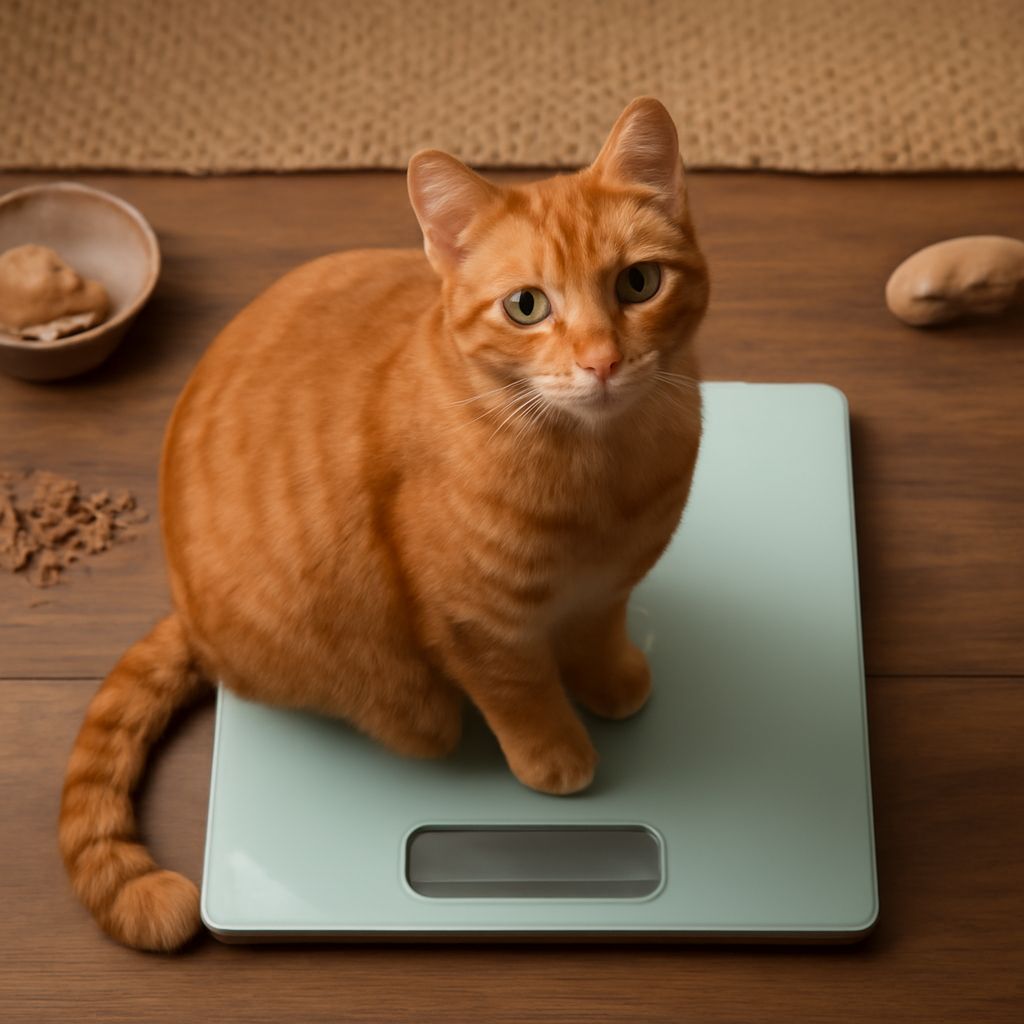
Regularly monitoring your cat’s weight is vital to ensure they maintain a healthy weight. Weigh your cat periodically and observe any significant changes in their weight or behavior. Keep a log of their weight to track trends over time. If you notice any sudden weight changes, consult with a veterinarian to rule out potential health issues. Regular vet check-ups can help catch any underlying problems early and ensure your cat’s overall well-being.
Pro tips recap: Understanding your cat’s weight issues and addressing them with a balanced diet and proper care is crucial. Monitor their caloric intake, provide a variety of foods, and reduce stress to promote healthy weight gain. Regular vet visits will ensure that your cat remains healthy and happy. Tailor your approach based on your cat’s specific needs to keep them in optimal health.