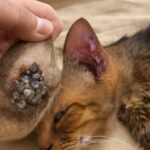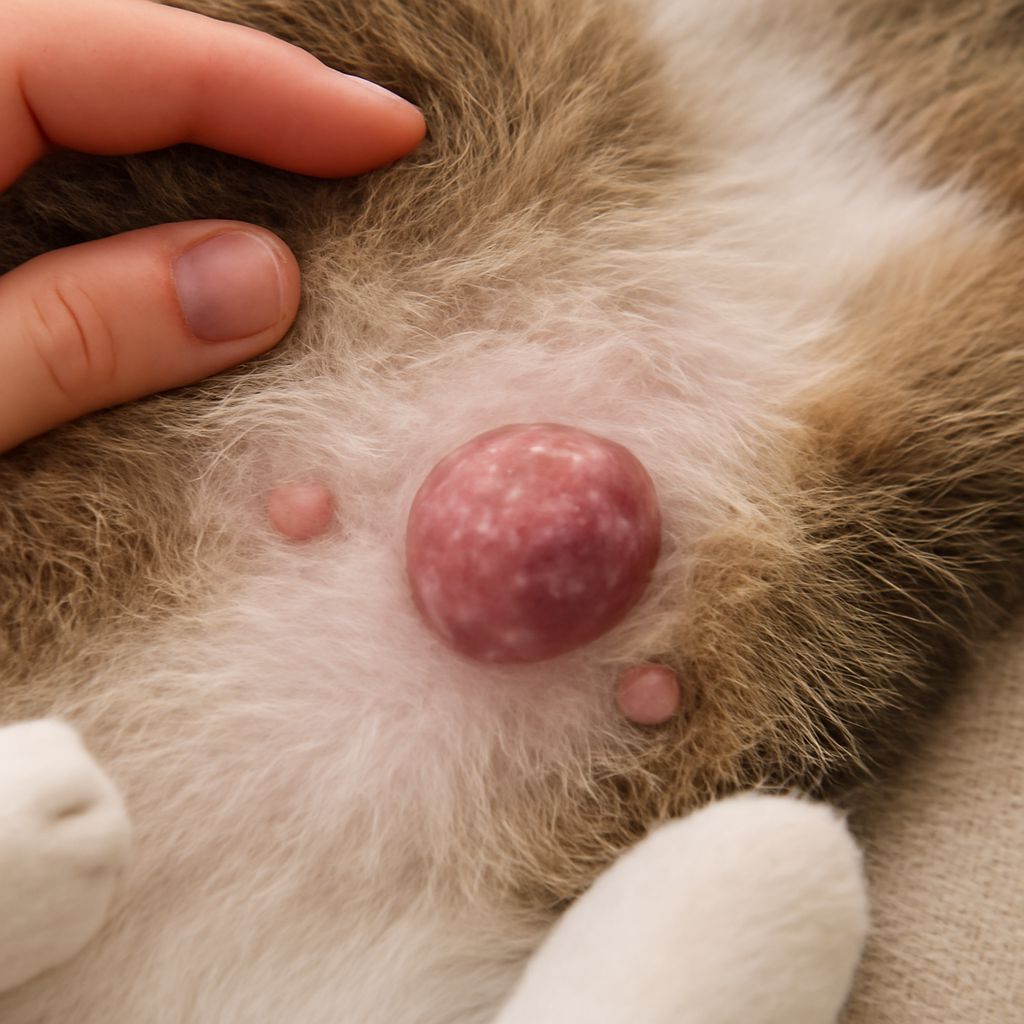
Imagine you are gently petting your feline friend, when suddenly your fingers brush over an unexpected lump under the skin. Your heart skips a beat—is this a cyst on your cat’s skin? It’s not unusual for pet owners to encounter bumps on their cat’s skin, sometimes leading to anxiety about what these growths might signify. Among the various types of skin growths, sebaceous cysts are fairly common and usually not a cause for immediate alarm. However, understanding what a sebaceous cyst is, how to identify it, and what steps to take is crucial for your cat’s well-being.
What is a Sebaceous Cyst on a Cat?
Sebaceous cysts on cats are benign growths that originate from blocked sebaceous glands. These glands produce sebum, an oily substance that helps lubricate the cat’s skin and coat. When the gland becomes obstructed, sebum accumulates, forming a lump. Typically, these cysts are round, palpable under the skin, and might feel like a soft bump. Although they are not usually painful, they can become irritated or infected if scratched or bitten.
Common Causes of Cysts on Cats
Several factors can lead to the development of cysts on cats. Blocked hair follicles are a primary cause, often resulting from an overproduction of sebum. Cats with oily skin are more susceptible to this condition. Other contributing factors may include skin trauma, such as scratches or bites, which can damage the glands or follicles, leading to obstruction and cyst formation. Additionally, genetic predispositions in certain breeds might play a role in the tendency to develop these benign growths.
Symptoms: How to Identify a Lump or Bump Under Your Cat’s Skin
Recognizing symptoms of a sebaceous cyst involves regular grooming and petting routines, which allow you to notice any unusual skin textures or lumps. These cysts generally appear as small, circular lumps beneath the skin’s surface and can vary in size. Keep an eye out for changes such as skin discoloration, swelling, or signs of discomfort from your cat when the area is touched. While sebaceous cysts are generally harmless, sudden changes in size, color, or the emergence of additional symptoms may necessitate further evaluation.
When to Consult a Veterinarian
Consulting a veterinarian is essential when you notice a lump that is growing rapidly, changing color, or causing your cat discomfort. Additionally, if the cyst becomes ruptured or infected, resulting in redness, pus, or bleeding, professional intervention is warranted. A veterinarian can perform a thorough examination to determine whether the bump under your cat’s skin is indeed a sebaceous cyst or another type of growth, and recommend appropriate diagnostic tests if necessary.
Treatment Options for Skin Growths on Cats
Treatment for sebaceous cysts on cats varies depending on the cyst’s condition and size. In many cases, if the cyst is not causing any discomfort or complications, a veterinarian may recommend a watch-and-wait approach, which involves monitoring the cyst for any changes. In situations where the cyst is infected or causing irritation, the vet may opt to surgically remove it under local anesthesia. It’s important to follow a vet’s advice for cleaning and caring for the cyst to prevent infection.
Maintaining regular grooming and inspections can help you detect any new or recurring cysts early on, allowing for prompt and effective management.
Next Steps: Regularly check your cat for any new skin growths or changes in existing ones. Consistent grooming and a healthy diet can support your cat’s skin health and potentially reduce the likelihood of cyst formation. If you have concerns about any lumps or bumps on your cat, seek the guidance of a veterinarian for personalized advice and treatment plans.