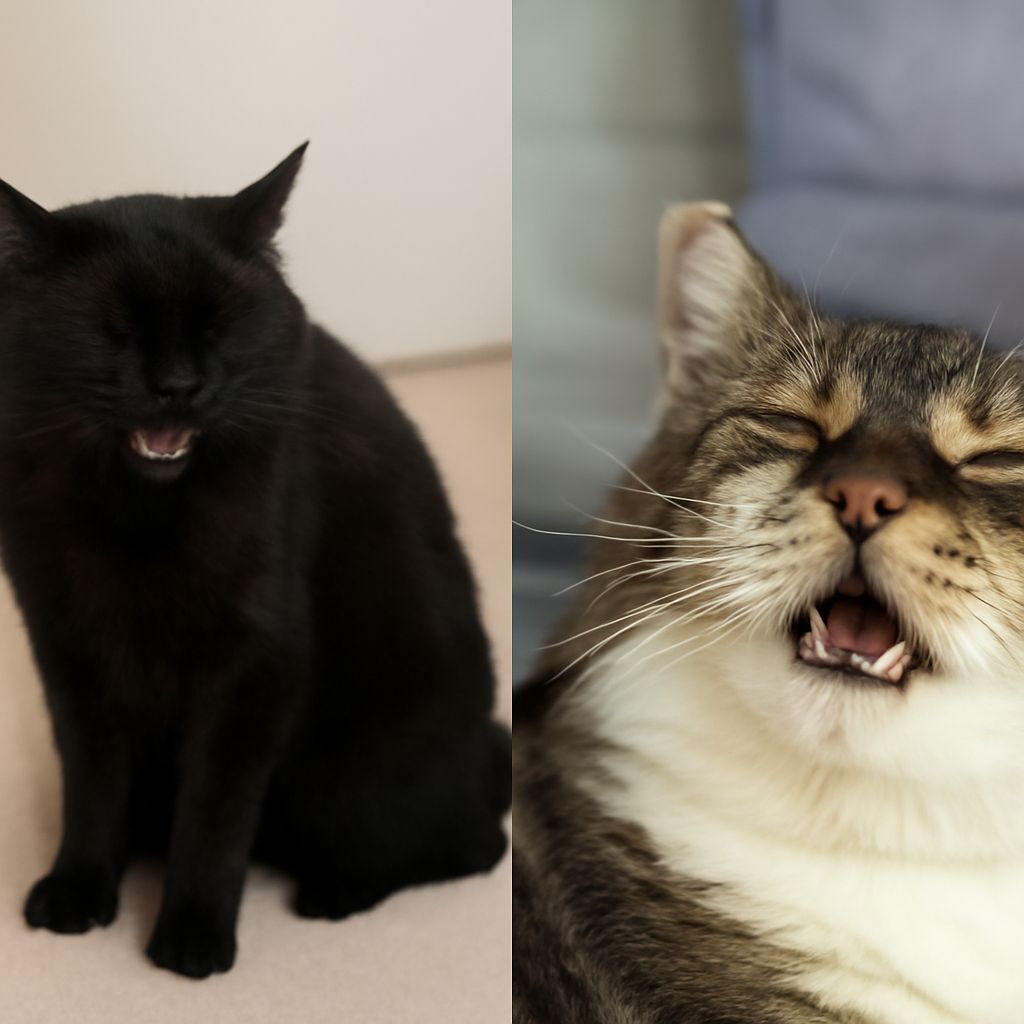
Imagine it’s late in the evening, and you’re curled up on the couch with your cat nestled beside you. Suddenly, you hear it—a strange, hacking sound that makes you sit up straight. Your cat is coughing, and you’re filled with concern. Can cats cough just like humans? As you watch your feline friend, you wonder if there’s a reason for this sudden coughing fit. Understanding why cats cough and knowing the steps to take if your cat is coughing at night can help ensure your pet’s well-being.
Can Cats Cough?
Yes, cats can indeed cough. While it may be surprising to some, coughing is a natural reflex in many animals, including cats, aimed at clearing irritants from the respiratory tract. A cat’s cough might sound different from what you’re accustomed to in humans or dogs, often being a dry, hacking noise.
Just as with humans, occasional coughs in cats can be normal. However, frequent or persistent coughing can indicate an underlying issue that requires attention. It’s important to observe the duration, frequency, and nature of your cat’s cough to determine if veterinary care is needed.
Common Causes of Coughing in Cats
There are several reasons why a cat might experience coughing. Identifying the root cause is crucial for proper management and care.
Respiratory Infections
Respiratory infections are a common cause of coughing in cats. These infections, often caused by viruses or bacteria, can affect the upper or lower respiratory tract. Symptoms might include sneezing, nasal discharge, and a persistent cough. In some cases, antibiotics or other treatments might be necessary to resolve the infection and alleviate the cough.
Asthma in Cats
Feline asthma is another common cause of coughing in cats. This condition is similar to asthma in humans, characterized by inflammation of the airways that can lead to wheezing and coughing. If your cat is diagnosed with asthma, your veterinarian may recommend medications like bronchodilators or corticosteroids to manage the symptoms effectively.
Foreign Bodies
Cats are curious creatures, and their explorative nature may sometimes lead them to inhale or swallow foreign bodies, such as grass or small toys, which can trigger coughing. If you suspect your cat has ingested something unusual, a veterinary examination is crucial to ensure it doesn’t cause a blockage or further complications.
Why Do Cats Cough and Gag?
When cats cough and gag, it can be concerning for pet owners. This behavior may occur when a cat is trying to expel something caught in their throat or airway. Hairballs are a common cause of coughing and gagging in cats, particularly in long-haired breeds. Regular grooming and hairball management can help reduce occurrences.
Additionally, coughing accompanied by gagging might suggest more serious conditions such as heart disease or lung infections. Monitoring your cat’s overall health and behavior can provide clues as to whether the gagging is innocuous or requires medical intervention.
What to Do If Your Cat Coughs at Night
If your cat coughs at night, it can be unsettling. Start by observing the cough’s characteristics: Is it dry or wet? How often does it occur? Documenting these details can help your veterinarian diagnose the issue more accurately.
Ensure that your cat’s environment is free from irritants such as smoke, dust, or strong fragrances, which can exacerbate coughing. Maintaining a clean and comfortable home can significantly impact your cat’s respiratory health.
Offer your cat plenty of fresh water and ensure they are receiving a balanced diet to support their overall health. If the coughing persists or worsens, it is always advisable to consult a veterinarian for further evaluation.
When to Consult a Veterinarian
While occasional coughing might not be a cause for immediate concern, certain signs should prompt a visit to the veterinarian. If your cat’s cough is accompanied by labored breathing, lethargy, or a loss of appetite, professional evaluation is essential. These symptoms could indicate more serious conditions that require prompt treatment.
Persistent coughing that lasts more than a few days also warrants veterinary attention. Early intervention can prevent minor issues from developing into more severe health problems, ensuring your cat remains healthy and comfortable.
In summary, while coughing in cats can be a normal reflex, persistent or severe coughing should not be ignored. By understanding the possible causes and knowing when to seek veterinary care, you can help maintain your cat’s respiratory health and overall well-being.