Imagine arriving home after a long day, only to find your beloved feline companion panting heavily. This sight can be alarming, especially when you notice subtle signs of stress, such as drooling. Understanding why cats pant can help you make informed decisions about their health and well-being. While panting in cats is less common than in dogs, it can often signal underlying health concerns, stress, or even heat-related issues. Identifying these signs early is crucial to ensuring your cat’s comfort and safety.
What Is Cat Panting?
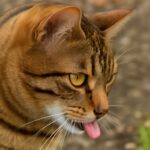
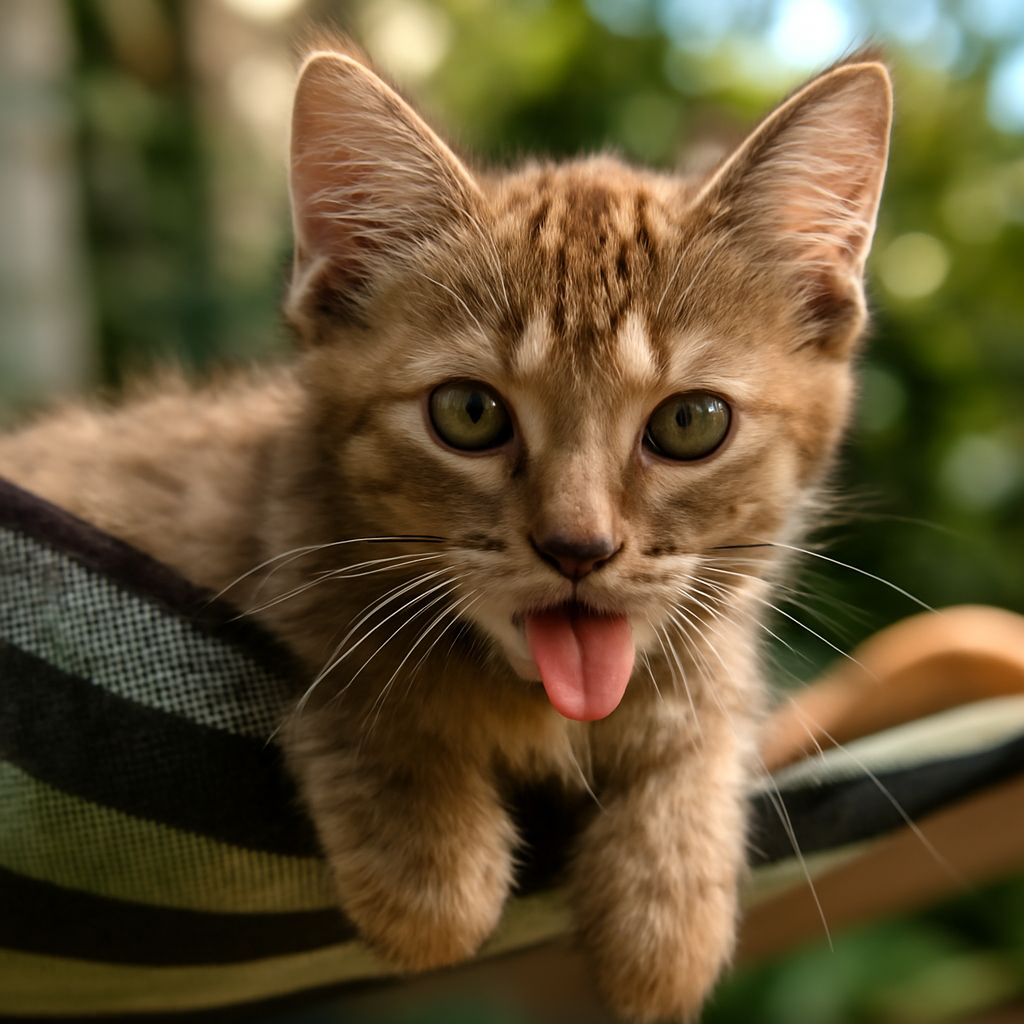
Cat panting is a respiratory behavior where a cat breathes rapidly with its mouth open, similar to how dogs usually do. In many cases, this can be a normal response to exercise or high temperatures. However, given that cats do not typically pant, it can also be an indication of other factors, such as anxiety or health problems.
Common Causes of Cats Panting
There are several reasons why a cat might pant. Physical exertion, particularly after intense play, is the most benign cause. A hot environment is another common reason for cats to begin panting, as they attempt to cool themselves down. However, it is essential to distinguish between a harmless pant and one that could suggest an underlying issue.
Stress and anxiety can also prompt panting in cats. Situations like traveling, meeting new people, or changing environments can lead to stressed behaviors, including panting. Moreover, medical conditions such as respiratory infections, heart disease, or asthma might manifest through panting, requiring veterinary attention.
Is Cat Panting Indicative of Stress?
Panting can indeed be a sign of stress in cats. Situational stressors, such as exposure to unfamiliar environments or loud noises, can trigger this behavior. Additionally, chronic stress can lead to prolonged episodes of panting, indicating the need for behavioral interventions or environmental adjustments to ensure your cat’s mental well-being.
To determine if panting is stress-related, observe your cat’s behavior in contexts that might induce anxiety. If panting occurs alongside other stress-related behaviors, such as hiding or aggressive actions, it may be time to address potential stressors in the home or discuss options with a veterinarian.
When Cat Panting and Drooling Occur Together
Seeing a cat pant and drool concurrently can be particularly concerning. Drooling, when combined with panting, often indicates that the cat is experiencing severe stress or is overheated. However, this combination can also signal more serious health issues.
In some cases, dental problems or oral discomfort may result in drooling alongside panting. If your cat exhibits these symptoms frequently, it is advisable to consult a veterinarian to rule out dental disease or other health conditions.
Heat and Cat Panting: What You Need to Know
Heat is a significant cause of panting in cats. Unlike dogs, cats have fewer sweat glands and rely on evaporative cooling through panting to manage their body temperature. In hot weather, ensure your cat has access to plenty of water and a cool, shaded area to rest.
If your cat shows signs of heat-related stress, such as excessive panting or lethargy, it is crucial to intervene quickly. Cooling your cat with a damp cloth, providing fresh water, and relocating them to a cooler space can help mitigate heat stress. Monitoring your cat’s reaction to temperature changes can help prevent heatstroke, a severe condition that requires immediate veterinary care.
Key takeaways: While occasional panting in cats is not uncommon, consistent or prolonged panting may indicate stress or health issues. Understanding the context and accompanying behaviors, such as drooling, can provide insights into your cat’s condition. Always seek veterinary advice if you are concerned about your cat’s panting behavior to ensure their health and safety.