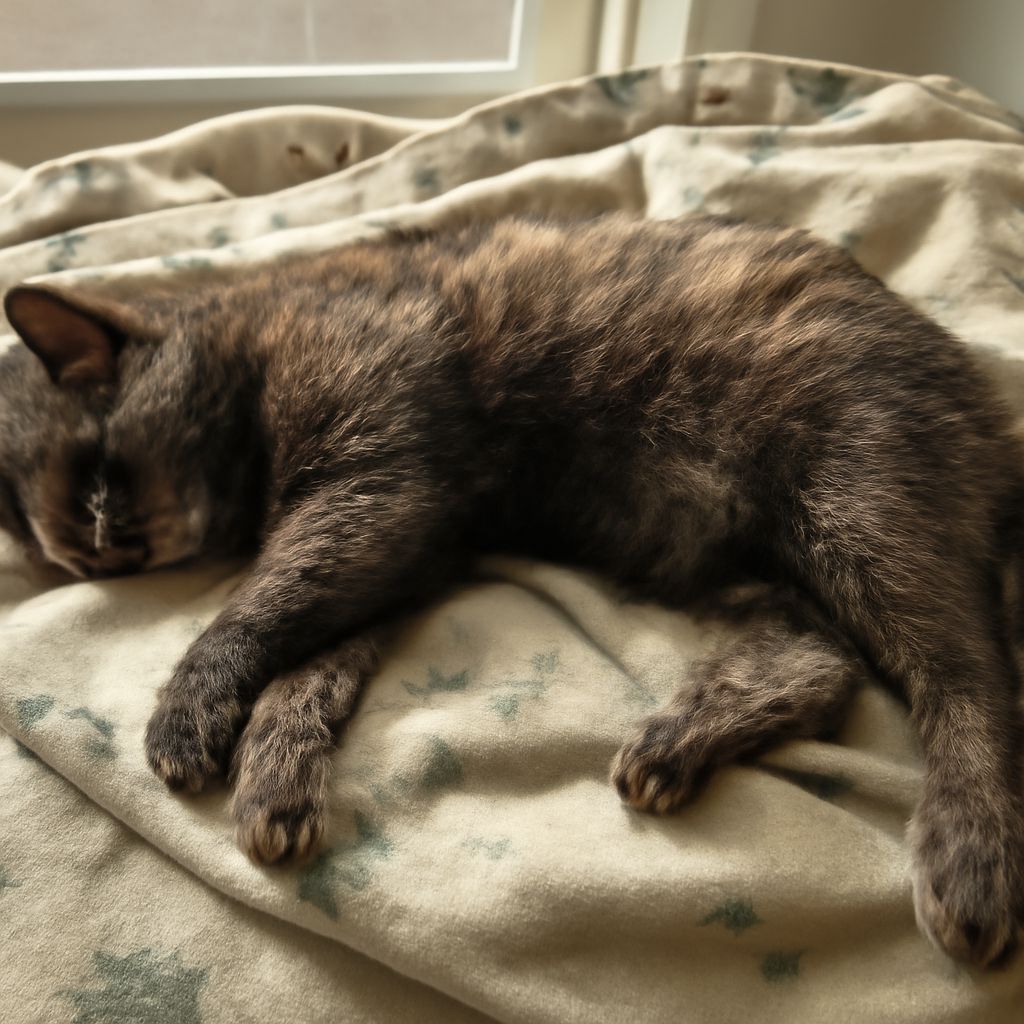
You’re sitting peacefully on the couch, your feline friend curled up beside you. Suddenly, your cat starts to twitch uncontrollably; the serene moment shatters as panic sets in. “What does a cat seizure look like?” you wonder, as you try to grasp what is happening. This frightening scenario is a stark reminder of the importance of understanding seizures in cats. You might be familiar with epilepsy in humans, but might not know it can afflict our furry companions too. Why do cats have seizures, and could this be a sign of a serious condition, especially in older cats?
Recognizing What Does a Cat Seizure Look Like
Seizures in cats can be terrifying to witness, yet recognizing the signs is crucial for timely intervention. Typically, a cat seizure may begin with subtle symptoms such as restlessness or drooling. As it progresses, you may notice more pronounced movements like twitching or jerking, often accompanied by loss of consciousness. It’s important to observe these signs calmly to handle the situation effectively.
During a seizure, cats might also vocalize unusually or lose control of their bowels or bladder. These episodes can last from a few seconds to several minutes, and while witnessing them can be distressing, keeping a record of their duration and frequency is vital for veterinary assessment.
What Causes Seizures in Cats
Understanding what causes seizures in cats is integral to managing them. Seizures can result from various underlying issues, ranging from idiopathic epilepsy, where no specific cause is found, to structural problems within the brain. Infections, toxins, and metabolic disorders might contribute to seizure activity as well.
It’s essential to consult with a veterinarian to determine the root cause, as they can conduct tests to rule out potential triggers and underlying conditions affecting your cat’s neural health.
Understanding Epilepsy in Cats
Epilepsy in cats is a condition characterized by recurrent seizure episodes. Unlike humans, feline epilepsy is not as well understood, but it is believed to involve complex genetic and environmental factors. For many cats, epilepsy manifests without a clear cause, termed idiopathic epilepsy.
Managing epilepsy in cats often involves medication to reduce the frequency and severity of seizures, emphasizing the importance of regular veterinary visits to tailor the treatment according to the cat’s response and needs.
Why Do Cats Have Seizures? Common Triggers
Several common triggers can provoke seizures in cats. External factors such as loud noises or stress can initiate an episode, but internal factors often play a more significant role. These can include nutritional imbalances, liver disease, or exposure to toxic substances like household chemicals or certain plants.
Keeping your cat’s environment safe and stress-free is key in preventing seizure triggers. Ensure household chemicals are stored securely, and consult your vet about dietary adjustments to support your pet’s overall health.
Cat Seizures in Older Cats: Special Considerations
Seizures in older cats often indicate underlying health issues that are more common in senior pets. These may include brain tumors, kidney disease, or hypertension. Older cats may also experience changes in seizure patterns or severity, necessitating close monitoring and veterinary guidance.
Special consideration should be given to older cats with a history of seizures, as they may require different treatment approaches and more frequent health assessments to maintain their quality of life.
Safety recap: If your cat experiences seizures, ensure that your home is a safe environment to prevent injury during an episode. Regular veterinary check-ups are crucial for managing conditions like epilepsy and identifying potential underlying causes, particularly in senior cats.