
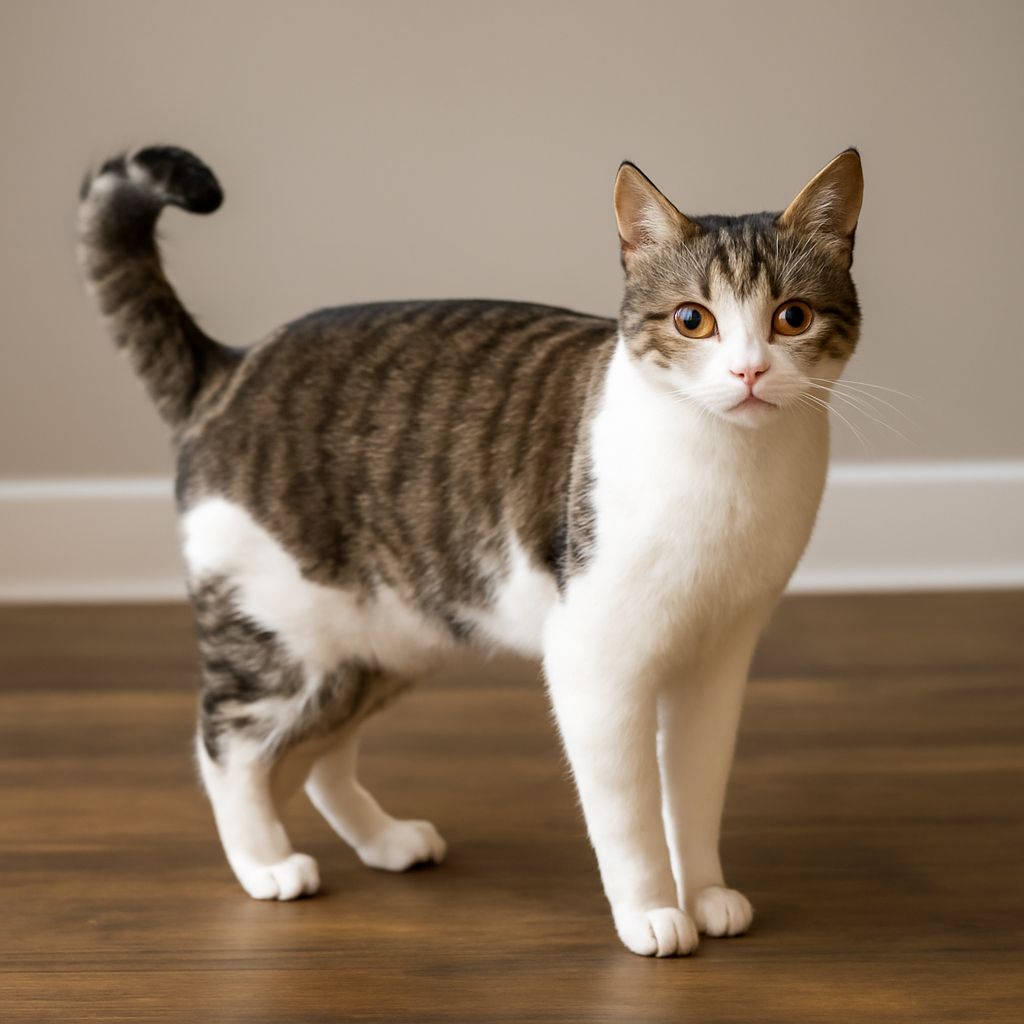
Imagine sitting in your cozy, sunlit living room, observing your fluffy tail cat as it gracefully weaves through the furniture. Suddenly, its tail shoots straight up, a silent signal you’re trying to decode. What does a cat tail straight up suggest about its mood or intentions? Understanding these subtle cues is crucial for any cat owner, as they can reveal much about your feline friend’s feelings and health. Whether you’re dealing with a cat whose tail was recently amputated or trying to decipher the mysteries of a tail butt plug, your cat’s tail holds more secrets than you might realize.
The Significance of a Cat Tail Straight Up
A cat tail pointing straight up is a common sight, but it represents more than just balance. This particular tail position usually signifies a friendly greeting or a confident, content state. When your cat approaches you with its tail held high, it’s a positive sign, indicating it’s happy to see you and comfortable in its environment. This behavior is instinctual, rooted in their social structure as a signal of goodwill.
Cats may also elevate their tails straight up during play, which integrates their natural instincts with a sense of security and joy. Observing your pet’s body language can enhance your shared connection, allowing you to nurture a trusting relationship. Through these gestures, your cat communicates its sense of security and contentment.
Understanding the Fluffy Tail Cat
Fluffy tails can add an extra layer of expressiveness to a cat’s signals. Cats with particularly bushy tails often use them to appear larger, which can be a defensive tactic. When a fluffy cat’s tail puffs up, it might indicate surprise or fear, especially if combined with arched backs or hissing. Recognizing these signs can help you address your cat’s discomfort or anxiety promptly.
Beyond their defensive utility, fluffy tails have aesthetic appeal that many pet owners cherish. While they may require more grooming, the silky fur of a fluffy tail cat is often seen as a sign of good health and care. Regular brushing and attention to your cat’s needs can minimize shedding and tangles, ensuring your feline feels as good as it looks.
When Cat Tail Amputation is Necessary
Tail injuries or diseases sometimes necessitate amputation, a decision that can distress pet owners. Conditions such as severe trauma or infection may leave no alternative but to remove the tail to prevent further harm. Despite the emotional weight, cats often adapt well to life post-amputation, regaining balance and mobility over time.
Monitoring your cat’s recovery and providing a safe, comfortable environment is crucial. This process includes understanding their new methods of communication, as post-amputation tail movement or positions may differ from before. Engaging with your vet about your cat’s adaptation can reassure you that your pet can lead a fulfilling life, even without the tail.
The Controversy of Cat Tail Butt Plugs
Cat tail butt plugs have gained attention for both novelty and controversy. These items are often used in costume play or as gag gifts, but they raise significant ethical concerns regarding animal welfare. Critics argue that using such items can distress or harm cats, who are naturally sensitive to changes in their body or environment.
Understanding your cat’s natural behaviors and comfort levels should always take precedence. Introducing foreign objects can disrupt their sense of security and even lead to injury or behavioral issues. Always prioritize their well-being and ensure any accessories used are both safe and non-intrusive.
Why You Should Avoid Pulling a Cat’s Tail
Pulling a cat’s tail is more than a simple annoyance; it can cause significant pain and even injury. The tail contains bones, nerves, and muscles, all of which serve essential purposes in balance and communication. Sudden pulling may lead to dislocations or nerve damage, resulting in long-term health complications for your cat.
Instead of pulling or tugging, observe and appreciate your cat’s tail as a critical component of its overall expression. Respecting their physical boundaries enhances trust and reduces anxiety, fostering a harmonious living environment. Educating children and visitors about gentle interactions with your cat is equally important in maintaining this respect.
Safety recap: Understanding and respecting your cat’s tail is crucial for its well-being. Whether dealing with a fluffy tail or post-amputation care, always prioritize your pet’s comfort and safety. Avoid controversial accessories like tail butt plugs, and always handle your cat gently to prevent injury.