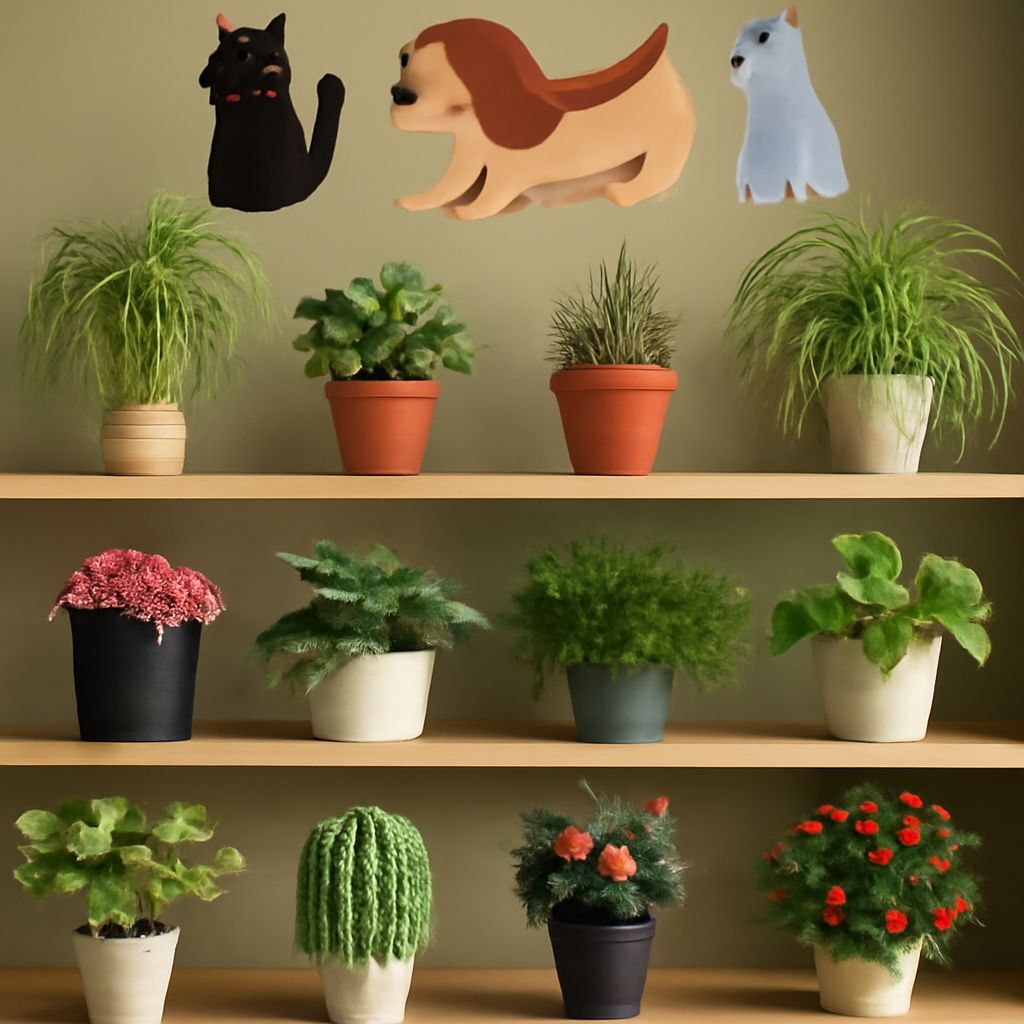
Imagine walking into your living room, greeted by the serene beauty of your well-maintained greenery. Your curious feline companion wanders around, sniffing the leaves, and you suddenly wonder, “Is my Majesty palm safe for cats?” With an array of cat-safe succulents on display, you can rest assured that your indoor oasis is both aesthetically pleasing and safe for your furry friend. But what about other household items like broccoli, turmeric, or wheatgrass? Are these safe for cats to nibble on?
As a conscientious pet owner, ensuring the safety of your companion is paramount. Whether you’re a seasoned plant enthusiast or a novice, knowing which plants and foods are safe for your cat is essential. Dive into this guide to learn more about creating a pet-friendly environment without compromising on style or nutrition.
Cat Safe Succulents
Succulents are popular choices for indoor plants, celebrated for their low maintenance and unique appearance. Fortunately, many succulents are safe for cats, making them an ideal choice for pet owners. When selecting succulents, consider varieties such as Haworthia, Echeveria, and Burro’s Tail. These species are known for being non-toxic to cats, providing peace of mind as your feline friend roams your home.
To ensure a harmonious coexistence between your plants and pet, keep succulents out of reach to prevent any eager bites or scratches. Additionally, provide your cat with plenty of other engaging toys and scratching posts to maintain their interest elsewhere. By choosing the right cat-friendly succulents, you can cultivate a home environment that is both safe and stylish.
Is Majesty Palm Safe for Cats?
Majesty palm, a popular houseplant, is frequently admired for its elegant fronds and tropical allure. The good news for cat owners is that Majesty palms are non-toxic to cats. This makes them a beautiful and safe addition to your home environment. Cats often enjoy the texture and height of Majesty palms, which can provide a sense of adventure and exploration.
While the Majesty palm is safe, it’s important to monitor your cat’s behavior. Discourage excessive chewing on the leaves to prevent any potential digestive upset. Create an engaging space away from your plants by offering cat grass or cat-friendly toys to divert their attention. This approach ensures your Majesty palm remains intact, and your cat remains content.
Is Broccoli Safe for Cats?
Broccoli is a nutritious vegetable that many people enjoy, but is it equally beneficial for our feline friends? Thankfully, broccoli is safe for cats to consume in moderation. Rich in fiber and vitamins C and K, this veggie can offer health benefits when introduced responsibly into your cat’s diet.
Before serving broccoli to your cat, steam it to soften the texture and avoid any digestive issues. Start with small portions to gauge your pet’s interest and tolerance. Keep in mind that broccoli should complement a balanced diet and not replace cat-specific nutrition. Always consult with a veterinarian if you’re unsure about dietary changes, ensuring your cat’s well-being remains a priority.
Is Turmeric Safe for Cats?
Turmeric has gained popularity for its anti-inflammatory properties and health benefits in humans. But, when it comes to cats, caution is advisable. While turmeric is not toxic to cats, it should be given sparingly and only under professional guidance. Cats have different dietary needs and may not process turmeric as effectively as humans do.
If considering turmeric as a supplement for your cat, consult with a veterinarian to discuss potential benefits and risks. They can guide you on appropriate dosages and monitor any reactions. Remember, ensuring your cat’s health and safety should always be the priority when exploring new dietary additions.
Is Wheatgrass Safe for Cats?
Wheatgrass is a favorite among cat owners due to its digestive benefits and appeal to cats. Rich in chlorophyll, wheatgrass can help with digestion, potentially aiding in the prevention of hairballs. Most cats find wheatgrass attractive and enjoy nibbling on it, making it an excellent addition to your pet-friendly home.
Provide wheatgrass in moderation, observing how your cat interacts with it. Too much could lead to stomach upset, so balance is key. Place wheatgrass in accessible areas where your cat can easily enjoy it. By incorporating wheatgrass into your cat’s routine, you offer them a natural and enjoyable treat while supporting their overall health.
Key takeaways: Enhance your home with cat-safe succulents like Haworthia and Majesty palms to ensure a safe environment for your pet. Introduce foods like broccoli and wheatgrass judiciously, while exercising caution with turmeric. Always prioritize your cat’s well-being and consult a veterinarian when in doubt about dietary changes.