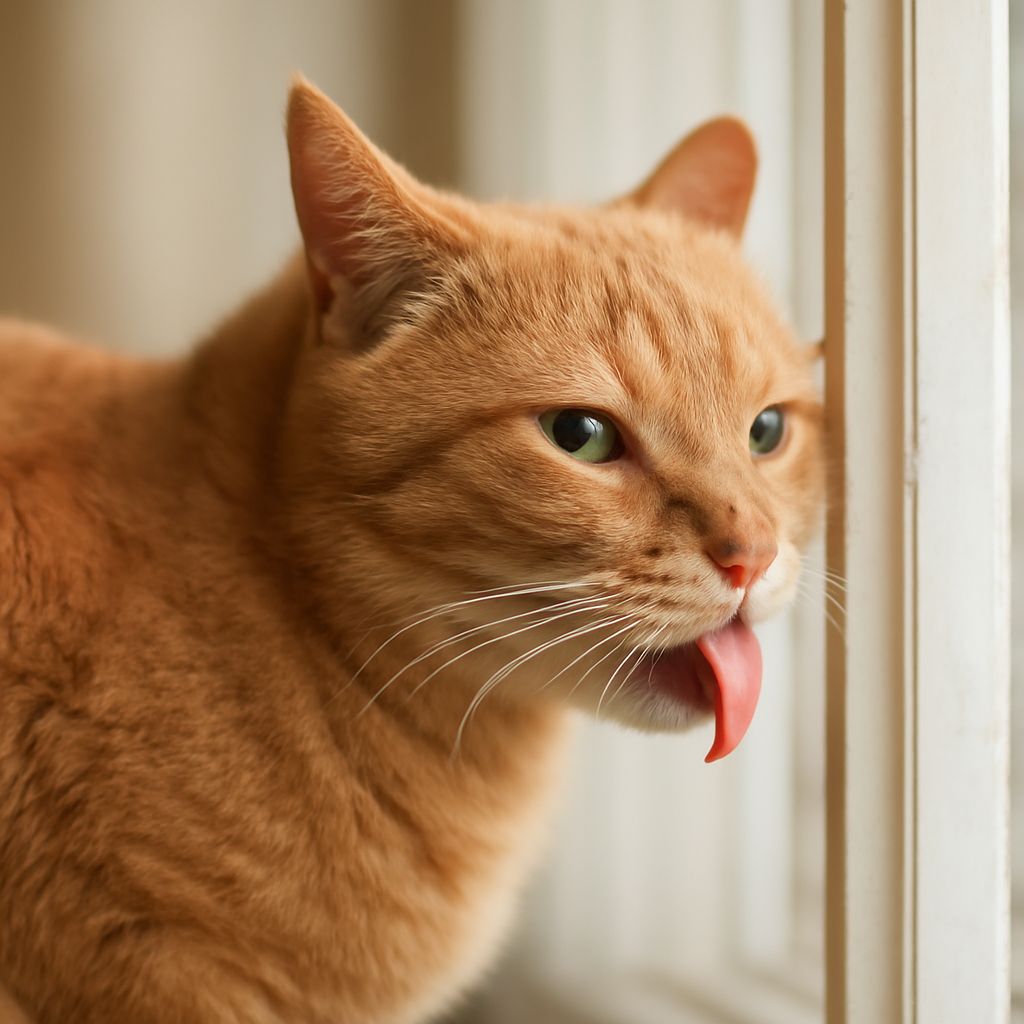
Imagine you’re sitting on your couch, your feline friend snuggled up close, purring contentedly. As you gently stroke their fur, you suddenly notice something wet. Why do cats drool when you pet them? It’s a question that can puzzle many cat owners. You might also have noticed various cat eye shapes, suggesting different moods or health conditions. Sometimes, you might even spot bumps on your cat’s skin or worry about a cat bite wound. Moreover, if your cat has stomatitis, you may wonder, “Is stomatitis in cats contagious?” Understanding these concerns helps in ensuring your cat’s well-being.
Understanding Cat Drooling: Is It Normal?
Drooling in cats can be a normal reaction to pleasure and relaxation, similar to humans salivating at the thought of delicious food. When petting them, some cats drool due to sheer contentment. However, excessive drooling might signal dental issues, such as gum disease or tooth decay. It’s crucial to monitor the drooling patterns; if they persist or are accompanied by other symptoms like bad breath or difficulty eating, consulting a vet is advisable. Drooling could also be a response to certain medications or a sign of nausea.
Exploring Cat Eye Shapes and Their Significance
The shape of your cat’s eyes can convey much about their mood and health. Wide-open eyes typically indicate curiosity or excitement, while half-closed eyes are a sign of relaxation and trust. However, changes in eye shape, such as persistent squinting or one eye being more closed than the other, can indicate a health issue. Eye discharge, redness, or cloudiness can suggest infections or chronic conditions. Observing these subtle changes assists in early detection of potential issues.
Common Skin Issues: Bumps on Cats’ Skin
If you notice bumps on your cat’s skin, it may result from various causes, including allergies, infections, or parasites like fleas. Regular grooming and inspection can help identify unusual growths or irritations. Allergic reactions might manifest as small, itchy bumps, while abscesses from fights or infections can cause swollen, painful lumps. If you find unexplained bumps, consider consulting a veterinarian to determine the underlying cause and appropriate treatment.
Dealing with a Cat Bite Wound
Cat bites can occur during play or due to aggressive encounters. These wounds, though sometimes minor-looking, can lead to infections due to bacteria in a cat’s mouth. If bitten, clean the wound thoroughly with soap and water, and apply an antiseptic. Monitoring for signs of infection, such as swelling, redness, or pus, is essential. If these symptoms appear, seek medical attention promptly, as untreated infections can lead to more severe health issues.
Is Stomatitis in Cats Contagious?
Causes of Stomatitis in Cats
Stomatitis is an inflammatory condition affecting a cat’s mouth, causing pain, redness, and often a reluctance to eat. This condition stems from various factors, including dental disease, viral infections, and immune system disorders. Stomatitis is not considered contagious to humans or other animals but can significantly affect your cat’s quality of life, requiring prompt care.
Treatment and Prevention
Treatment for stomatitis focuses on pain relief and managing inflammation. This may involve dental cleanings, extractions, or medications. Maintaining good oral hygiene is critical in preventing stomatitis. Regular vet check-ups ensure any dental issues are identified and addressed early. Providing a balanced diet and monitoring overall health also helps minimize the risk of stomatitis.
Next steps: To maintain your cat’s health, regularly observe their behavior and physical condition. Familiarize yourself with normal and concerning signs, such as unusual drooling or changes in cat eye shape. Routine veterinary visits are vital to address potential issues like bumps on cats’ skin or dental problems. In case of a cat bite wound, administer first-aid promptly and watch for infection signs. For conditions like stomatitis, partner with your vet to ensure effective treatment and prevention strategies are in place. By staying informed and proactive, you contribute significantly to your cat’s well-being and happiness.