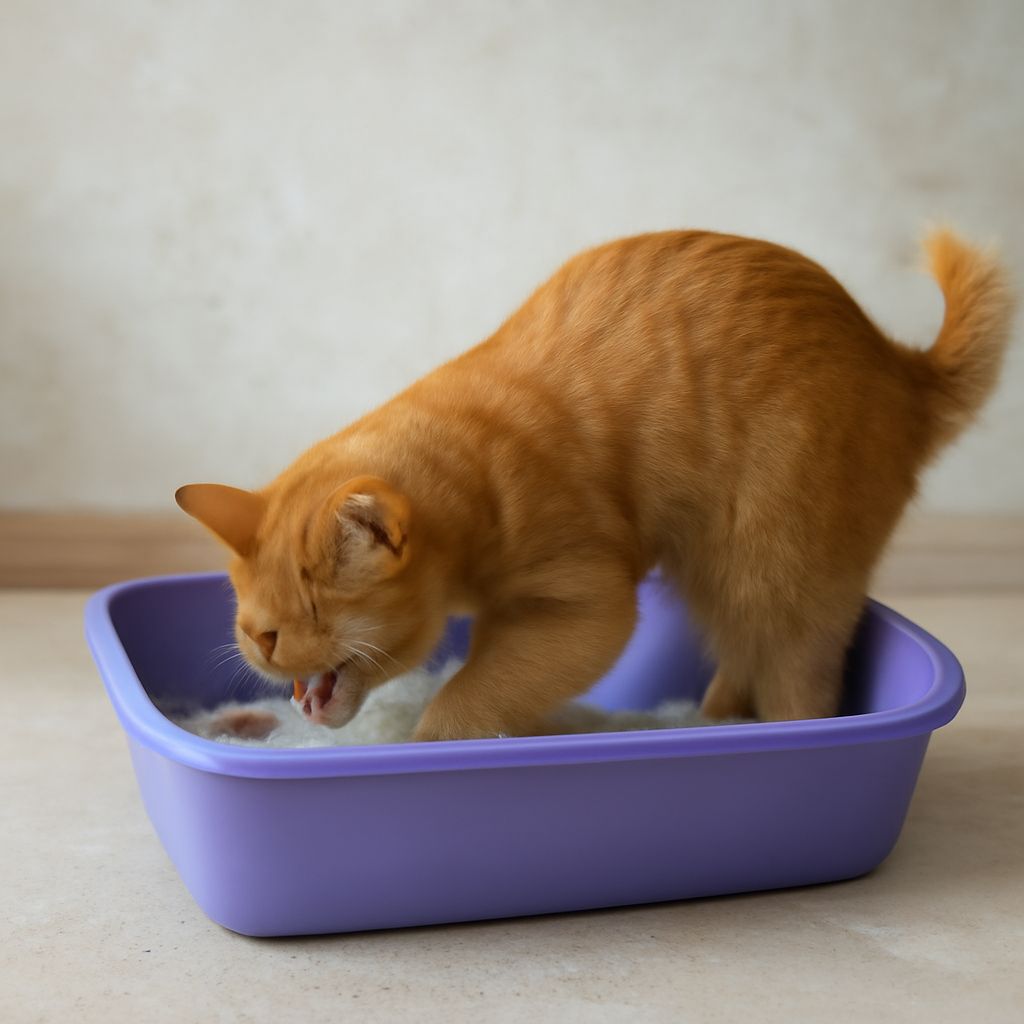
Imagine walking into your cozy living room after a long day, only to be greeted by an unusually strong odor emanating from your cat’s litter box. You might think it’s just a routine cleanup task, but it could indicate something more serious, like cystitis in your cat. Breathing cat urine and feces sometimes poses subtle health risks to humans, and understanding these risks is crucial. Delving into the causes and symptoms of FIC in cats can reveal underlying health concerns and highlight the potential dangers of cat urine. Moreover, gaining insight into FUS cat conditions could be the key to preventing these issues.
What is Cystitis in Cats?
Cystitis in cats refers to inflammation of the bladder, which can be distressing for both pets and owners. This condition is part of a broader category known as feline lower urinary tract disease (FLUTD), impacting a cat’s urinary health significantly. It manifests through various symptoms and can be caused by multiple factors, including stress, diet, and environmental influences.
Cats suffering from this condition may exhibit signs of discomfort, such as straining during urination or urinating outside the litter box. It’s crucial to monitor these signs closely, as untreated cystitis can lead to more severe health complications. Recognizing these early symptoms is a proactive step in maintaining your cat’s urinary health.
Causes and Symptoms of FIC in Cats
Feline Idiopathic Cystitis (FIC) is a common form of cystitis in cats, where the exact cause remains unknown. FIC is often diagnosed when no other medical condition can account for the urinary problems. Stress is a significant factor, and environments that lead to anxiety can exacerbate this condition.
The symptoms of FIC in cats can vary but often include frequent urination, blood in urine, and vocalizing pain during urination. Cats may also become less playful or hide more often. These behaviors signal the need for a veterinary consultation to confirm FIC and rule out other FUS cat conditions.
Understanding FUS Cat Conditions
Feline Urologic Syndrome (FUS), now more commonly referred to as FLUTD, encompasses various urinary issues, including cystitis in cats. Understanding FUS is essential because it covers a range of problems from bladder stones to urinary infections. Unlike FIC, which is primarily idiopathic, these conditions often have identifiable causes and can sometimes be prevented with proper care.
Managing a cat with FUS involves dietary adjustments, stress reduction strategies, and regular veterinary check-ups. Being proactive about your cat’s health can reduce the risk of developing severe urinary issues, ensuring a happier, healthier pet.
Effects of Breathing Cat Urine and Feces
While not typically a direct concern for feline health, the effects of breathing cat urine and feces can impact human health. Ammonia from cat urine, particularly in enclosed spaces, can irritate the respiratory system. Over time, exposure to high levels of ammonia might lead to respiratory issues in susceptible individuals.
A clean litter box and good ventilation are key in minimizing these risks. Although the dangers of cat urine tend to be minor with proper hygiene, they highlight the importance of regular litter maintenance and ensuring that feline waste does not pose a hazard in your home.
Preventing the Dangers of Cat Urine
Preventing the dangers associated with cat urine involves a comprehensive approach to care. Regular cleaning of the litter box is essential to keep ammonia levels low and maintain a pleasant living environment for both you and your cat. Additionally, ensuring your cat has a stress-free environment can reduce the frequency of urinary tract issues.
Consider providing multiple litter boxes in different locations if you have more than one cat. Monitoring your cat’s health, ensuring they are well-hydrated, and providing a balanced diet can prevent many urinary problems. These steps not only protect your cat but also contribute to a healthier home environment.
Bottom line: Understanding cystitis in cats and related urinary health issues is vital for pet owners. By recognizing symptoms early and maintaining a clean environment, you can ensure both your cat’s well-being and your peace of mind at home.