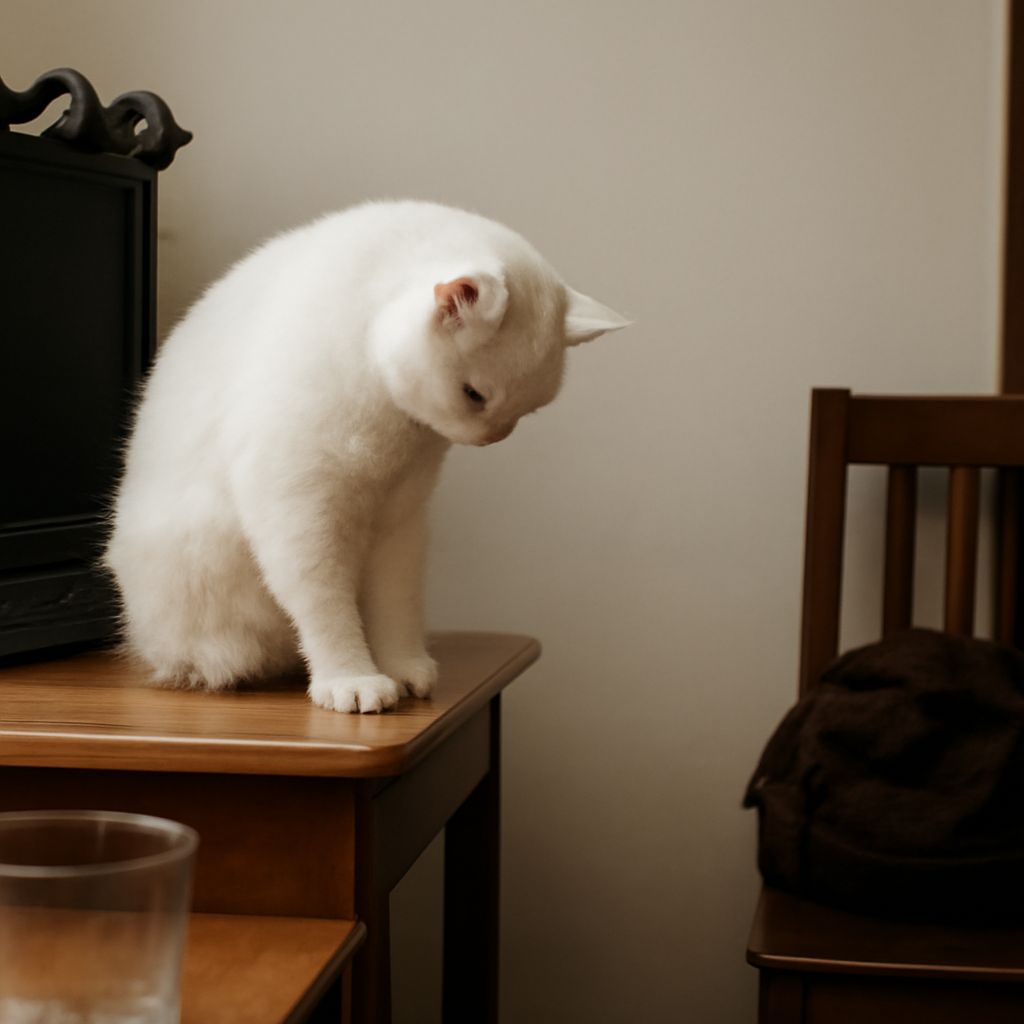
Imagine coming home after a long day, eager to relax with your favorite tunes. You’ve just hit play, and your beloved feline has nestled comfortably on the couch. As the music fills the room, you can’t help but wonder: do cats enjoy music as we do? Sitting there with your cat, you notice its ears twitching to the rhythm, a habit just as endearing as when they knock things off your shelves. You smile, reminded of the countless hours your cat spends grooming, seemingly lost in its own world. And when they misbehave, like scratching the couch, you find yourself pondering, do cats truly understand punishment?
The Fascinating World of Feline Hearing
Cats possess an extraordinary sense of hearing, which is significantly more acute than that of humans. This ability allows them to detect higher frequencies, making them sensitive to sounds that we might not even notice. Their ears, capable of rotating 180 degrees, help them pinpoint the exact location of noises. Understanding this aspect of their hearing can give us insights into whether they actually find music enjoyable or merely tolerable.
Do Cats Enjoy Music?
While scientific studies on whether cats enjoy music are still ongoing, some research suggests that cats might not appreciate human music in the same way we do. Their unique auditory range means that they could potentially respond better to music specifically designed for felines, featuring tempos and frequencies that mimic the sounds of their natural environment. Some pet owners have reported that their cats seem calmer when listening to music composed specifically for them, indicating a more favorable reaction compared to regular human tunes.
Why Do Cats Knock Things Off Shelves and Counters?
This behavior, though sometimes frustrating, is quite normal for cats. Cats knock things off shelves because they are naturally curious and like to explore their surroundings. This act can also be a way to get your attention or simply a playful display of their hunting instincts. When an object falls, it mimics the unpredictable movement of prey, making it an exciting game for your feline friend.
How Much Time Do Cats Spend Grooming?
Grooming is a significant part of a cat’s daily routine. On average, cats spend between 30% to 50% of their day grooming themselves. This ritual not only helps in maintaining their coat but also serves as a way to regulate body temperature, remove parasites, and even help them relax. Grooming can be a therapeutic activity for cats, providing a sense of comfort and security.
Do Cats Understand Punishment?
Understanding punishment in the way humans do is something that cats are less likely to grasp. Cats do not associate negative actions with their behavior unless the correction is applied immediately. They are more responsive to positive reinforcement, such as treats or affection, which helps them associate good behavior with rewards. Instead of punishment, guiding your cat with patience and understanding yields better long-term results.
Next steps: To nurture a harmonious relationship with your cat, consider creating a music playlist tailored to their auditory preferences and observe their reactions. Provide them with safe play options to satisfy their curiosity and hunting instincts. Regular grooming can be complemented with gentle brushing sessions, strengthening your bond. Use positive reinforcement to guide behavior, ensuring a happier and more fulfilling interaction with your feline companion.