Imagine you come home after a long day, looking forward to some quality time with your beloved feline. However, instead of the usual playful purrs and affectionate nudges, your cat seems exhausted. You wonder if the symptoms might be related to stomatitis in cats, a condition you’ve heard about but know little of. As you observe your tired and lethargic pet, questions start to form in your mind, especially about how nutrition can play a crucial role in their well-being. Understanding the lethargy and feeding basics may be key to improving your cat’s health.
What is Stomatitis in Cats?
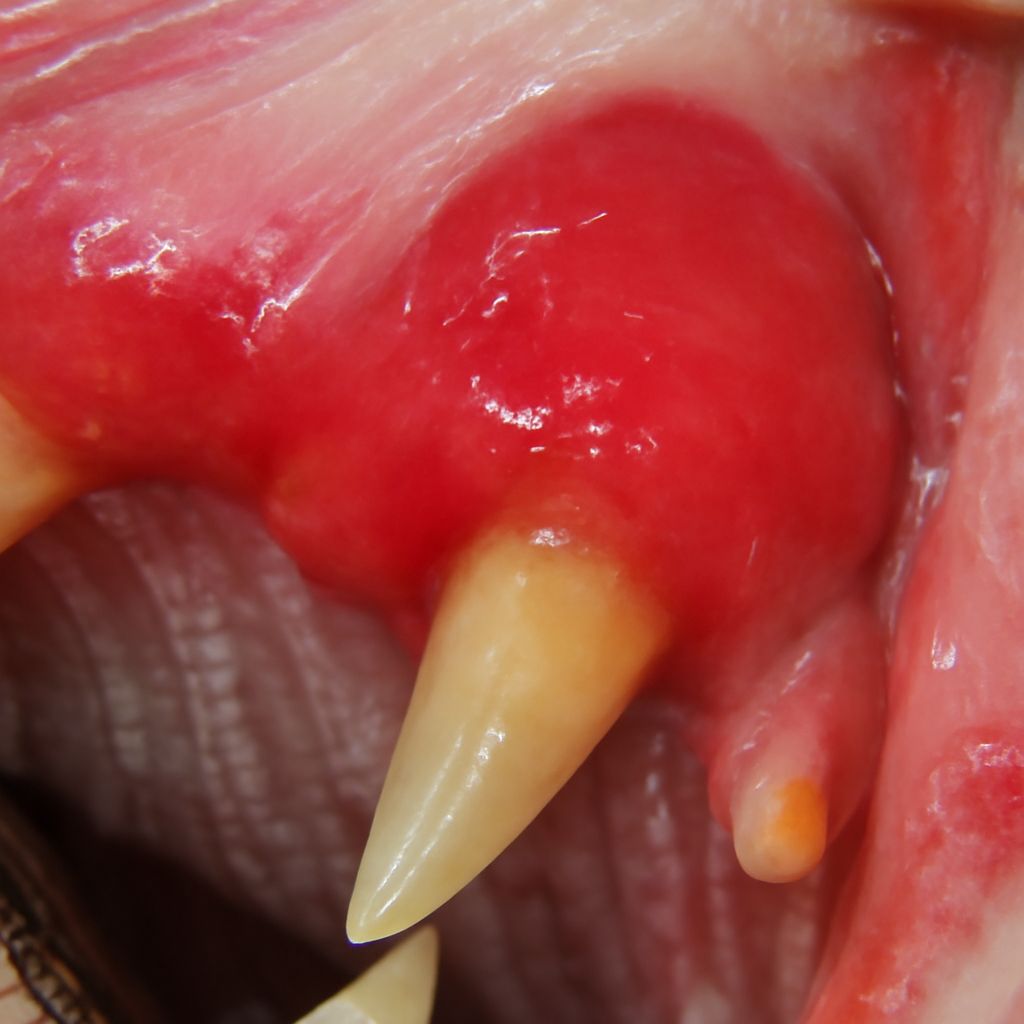
Stomatitis is a painful and often chronic inflammation of the mouth in cats. This condition involves sores and redness that can affect the gums, tongue, and even the throat. While the exact cause isn’t always clear, it’s believed to be an immune response to plaque, bacteria, or viruses. Cats with stomatitis may have difficulty eating, show signs of pain when their mouths are touched, and could exhibit drooling or bleeding from the mouth.
Common Symptoms: Exhausted Cat and More
In addition to oral discomfort, a cat with stomatitis might display other symptoms such as being excessively tired. This exhaustion is often due to the energy drain caused by chronic pain and the struggle to maintain proper nutrition despite a sore mouth. You might also notice weight loss, bad breath, and a decrease in grooming habits. It’s important to observe these symptoms closely to determine if they could be linked to stomatitis or other health issues.
Why Is My Cat Tired and Lethargic?
A tired and lethargic cat can be concerning for pet owners. While stomatitis is one possibility, other factors might contribute to your cat’s low energy levels. Conditions such as anemia, infections, or even stress can make your cat appear sluggish. Additionally, poor nutrition can exacerbate these symptoms, highlighting the need for a balanced diet. Ensuring your cat receives proper care and nutrition is crucial to addressing their lethargy.
When Your Cat is Lethargic but Eating
It’s possible for your cat to be lethargic yet still maintain its appetite. This behavior can be misleading, as it might suggest that your cat is in good health despite the tiredness. However, if your cat is eating but remains inactive, it could indicate underlying health issues like stomatitis or other illnesses. Monitoring your cat’s eating habits, alongside their energy levels, will help you and your vet determine the best course of action.
Feeding Basics for Cats with Stomatitis
Nutrition plays a vital role in managing the health of cats with stomatitis. Soft or wet foods can be easier for them to consume and may reduce oral pain. Additionally, incorporating high-quality, easily digestible proteins can support their immune system. Some veterinarians recommend adding specific supplements or vitamins to your cat’s diet to aid in healing and inflammation reduction. Consulting with a vet to tailor a diet plan for a cat suffering from stomatitis can significantly improve their quality of life.
Safety recap: When addressing the needs of a cat with stomatitis, always ensure any dietary changes or supplements are discussed with a veterinarian. Proper care and feeding can alleviate discomfort and contribute to your cat’s long-term health and vitality.