Imagine bringing your beloved feline home after her spay surgery, cradling her gently in your arms. You’re focused on providing the best cat spay aftercare possible, eager to ensure her speedy recovery. As you prepare her cozy resting spot, questions about cat neuter recovery swirl through your mind. You’ve done your research on how spaying a cat aftercare can influence her health, but seeing her vulnerable and drowsy stirs a desire for reassurance and guidance.
The vet’s instructions replay in your mind, each cat spay aftercare tip seemingly crucial. You recall the importance of monitoring her incision, adjusting her diet, and limiting her activities. You’re committed to making her healing journey smooth and stress-free. This guide will walk you through the essential steps for supporting her recovery, reinforcing your confidence in providing the best care.
Understanding Cat Spay and Neuter Surgery
Spaying, or ovariohysterectomy, involves the removal of a female cat’s ovaries and uterus. This procedure is a common practice in feline health management, aimed at preventing unwanted litters and reducing health risks like uterine infections. Understanding the nuances of this surgery helps in anticipating the needs of your pet during her recovery phase. Neutering, though similar, applies to male cats, where the testicles are removed, achieving similar health benefits.
Immediate Post-Surgery Care
The first 24 hours after surgery are critical for your pet’s cat neuter recovery. During this period, your cat will likely be groggy due to anesthesia. It’s important to set up a quiet, comfortable, and secure environment where she can rest undisturbed. Ensuring her immediate surrounding is clean and safe from other pets or children helps prevent stress or injury.
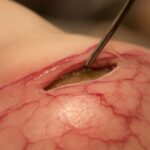
Monitor her behavior closely and keep an eye on the surgical site for any signs of excessive swelling or redness. Ensure she has access to fresh water as hydration is crucial to her recovery. However, limit her food intake initially, as anesthesia might cause nausea.
Monitoring Your Cat’s Progress
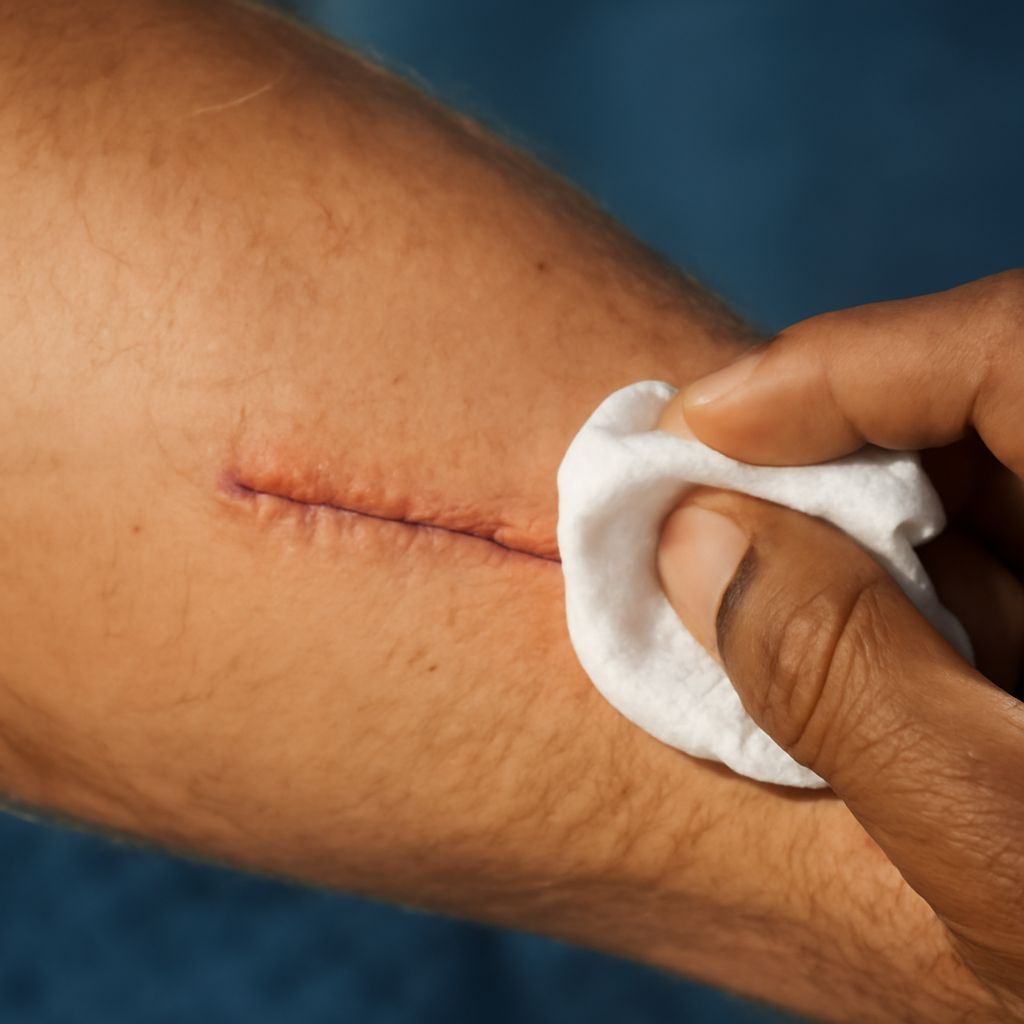
As your cat begins to regain her strength, observing her progress becomes key to successful spaying a cat aftercare. Check her incision daily for any signs of infection, such as discharge or pronounced swelling. Behavioral cues like lethargy or disinterest in food can indicate underlying issues.
Tracking her mood and physical activity can offer insight into her recovery state. An increased willingness to move around and engage with her environment is a positive indicator. However, ensure she doesn’t overexert herself too soon.
Diet and Activity Recommendations
A balanced diet plays an influential role in cat spay aftercare. Initially, offer smaller portions of her regular food to ease her digestion back into routine. As her appetite returns, you can gradually resume her normal feeding schedule.
Activity should be limited to prevent stress on the incision site. Encourage calm behaviors by providing interactive toys or placing her near a window where she can watch the outside world without having to move much. Gradually increase her activity level after the vet gives the go-ahead, ensuring she doesn’t run or jump excessively.
Recognizing Signs of Complications
Awareness of potential complications is vital in cat spay recovery. Signs like persistent bleeding, a foul odor from the incision, or unusual discharge warrant immediate veterinary attention. Similarly, if she displays signs of pain, such as growling when the area is touched, or if she becomes increasingly aloof, these could be warning signs.
Keeping in touch with your veterinarian for post-surgery check-ups is an essential part of recognizing and addressing complications early, ensuring her smooth recovery.
Long-term Care and Emotional Support
Beyond physical recovery, providing emotional support to your cat is integral. Cats are creatures of habit, and the disruption caused by surgery can lead to stress. Offer plenty of affection and reassurance; your calm demeanor can be comforting to her during these changes.
Consider her long-term health by maintaining regular vet visits and continuing to provide a healthy diet and exercise routine. Remember, a safe and loving environment supports not just her physical healing but her emotional well-being as well.
Safety Recap: If tools or color care were central, ensure to follow specific guidelines for safe handling and storage. However, the core focus here is maintaining a clean environment during recovery. Adhering to these cat spay aftercare tips will help ensure your furry friend heals efficiently and safely.