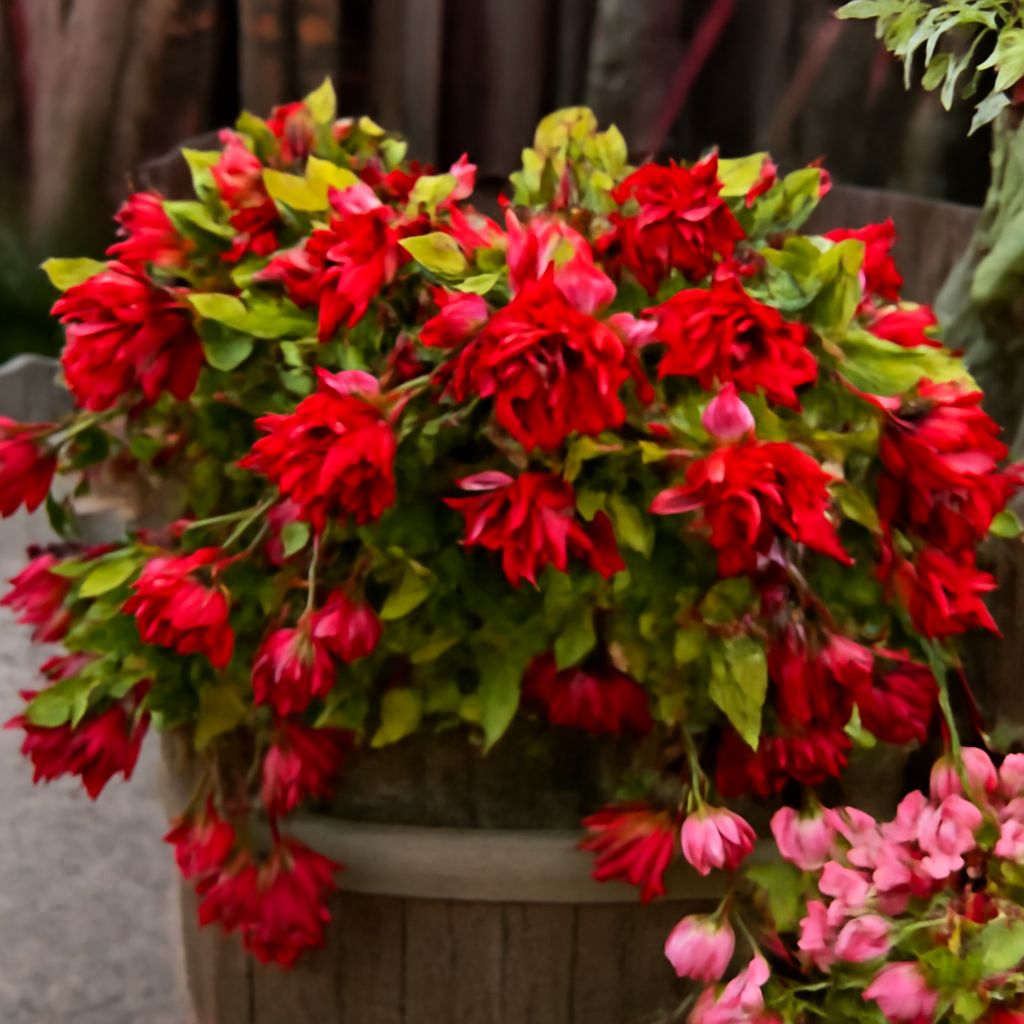
Imagine you’re enjoying a peaceful afternoon in your living room when you notice your cat curiously pawing at the vibrant begonias on the windowsill. You pause, wondering, “Are begonias poisonous to cats?” This common question can arise when you’re a cat owner with a fondness for houseplants. Knowing whether these beautiful plants pose a risk to your feline friend is crucial to ensuring their safety.
Understanding Begonias and Their Toxicity
Begonias are popular ornamental plants known for their beautiful blooms and easy care. However, for pet owners, it’s essential to be aware of their potential dangers. Certain compounds in begonias, particularly in the tubers, are toxic to cats. These plants contain oxalates, which can cause irritation and toxicity if ingested by pets. Awareness of the risks associated with begonias can help prevent accidental poisoning in your home.
Symptoms of Begonia Poisoning in Cats
If your cat ingests parts of a begonia plant, it may exhibit symptoms of poisoning. These can include vomiting, drooling, and difficulty swallowing due to irritation in the mouth and throat. Some cats may also experience reduced appetite and lethargy. Recognizing these signs early is vital for seeking appropriate care and minimizing discomfort for your pet.
What to Do If Your Cat Eats Begonias
If you suspect that your cat has chewed on or consumed begonias, act quickly. First, remove any remaining plant material from your cat’s mouth and rinse their mouth with water if possible. Contact your veterinarian immediately to discuss the observed symptoms and receive advice on the next steps. Do not attempt to induce vomiting or administer any home remedies without professional guidance.
Prompt veterinary intervention is crucial, as they can provide supportive care and treatment to manage symptoms. Your vet may recommend specific actions based on the severity of the poisoning and your cat’s overall health. Keeping a sample of the plant or taking a photo can help the veterinarian in assessing the situation accurately.
Preventing Begonia Poisoning in Cats
To prevent accidental ingestion, it’s wise to avoid having begonias in homes with cats. Instead, consider placing these plants in areas inaccessible to your pets, such as hanging baskets or rooms off-limits to your feline friend. Educating yourself and other household members about the risks of begonias can also support prevention efforts.
Regularly inspect your home for any plants that may pose a risk to your pets. Creating a cat-safe environment ensures peace of mind and prevents emergency trips to the vet. Understanding which plants are toxic to cats can significantly reduce the likelihood of accidental poisoning.
Alternative Pet-Safe Plants
If you’re looking to add greenery to your home without compromising your cat’s safety, consider pet-safe alternatives. Spider plants, Boston ferns, and African violets are excellent choices that will not harm your feline friend. These plants offer beauty and variety while ensuring a safe environment for pets.
By choosing cat-friendly flora, you can enjoy the benefits of houseplants without the worry of toxic exposure. Additionally, researching and selecting non-toxic plants will contribute to a harmonious living space for both you and your pets.
Next steps: Regularly review the plants in your home and consult resources on pet-safe gardening. By staying informed and proactive, you can maintain a safe and nurturing environment for your furry companions.