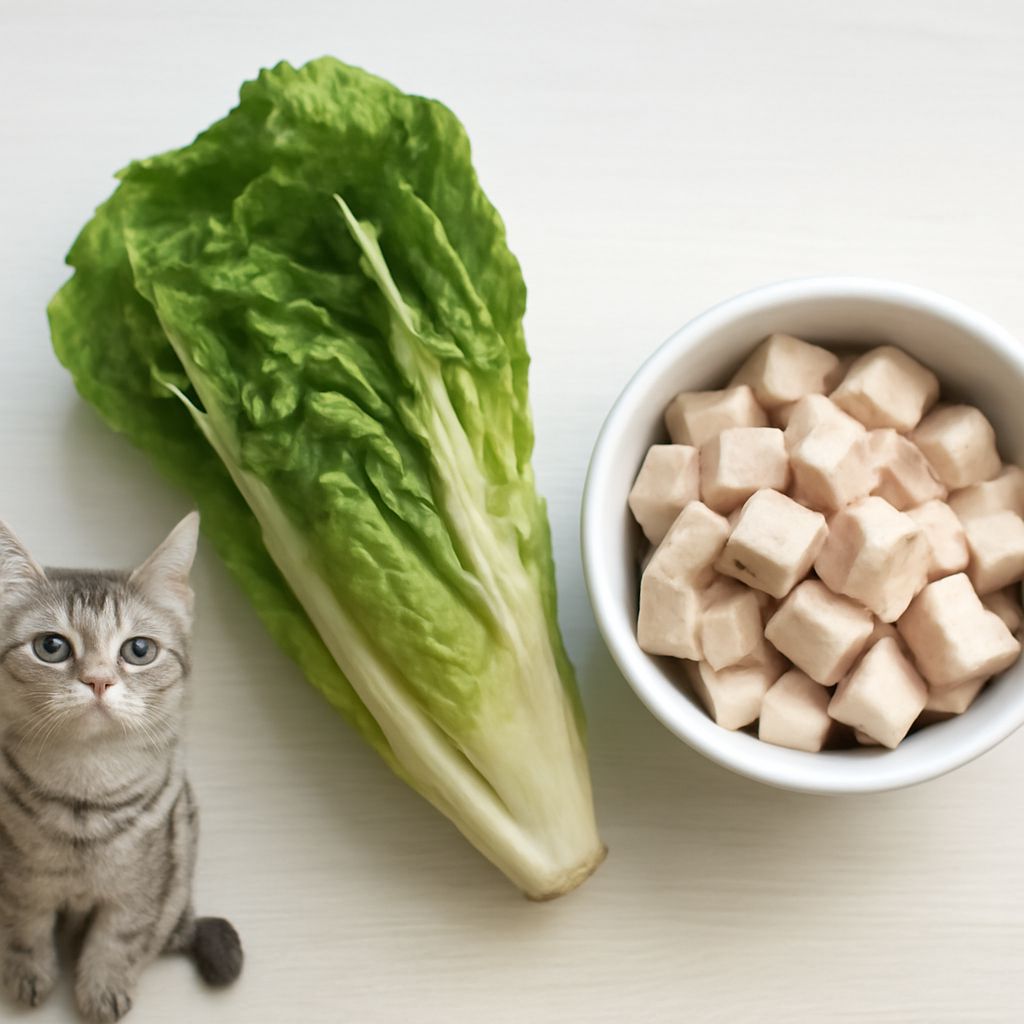
You’re in the kitchen preparing a crisp salad, and your cat weaves between your legs, curiously eyeing the lettuce leaves cascading into the bowl. You wonder, “Can cats eat lettuce?” This leafy green staple may be a healthy choice for you, but understanding if it’s suitable for your feline friend is essential before slipping them a crunchy treat.
Introduction to Cats and Lettuce
Cats are obligate carnivores, meaning their diet primarily consists of meat. However, they are also known for their curiosity and sometimes show interest in foods outside their typical carnivorous fare. Lettuce may seem harmless, but as a responsible pet owner, knowing if it’s safe for cats to consume is crucial.
Is Lettuce Nutritionally Beneficial for Cats?
Lettuce, while low in calories and rich in water content, doesn’t offer significant nutritional benefits to cats. Unlike humans, who can enjoy lettuce as part of a balanced diet, cats do not require the vitamins and minerals found in lettuce, as their dietary needs are fulfilled by protein-rich foods. The presence of fiber might appear beneficial, yet cats derive little from it due to their distinct digestive systems.
That said, an occasional small piece of lettuce can be an innocuous treat, providing hydration due to its high water content. However, relying on lettuce as a regular part of your cat’s diet isn’t advisable, considering it’s not aligned with their natural nutritional requirements.
Potential Risks of Feeding Lettuce to Cats
Feeding lettuce to your feline companion isn’t inherently dangerous, but it does pose potential risks if not approached with caution. While lettuce itself is non-toxic to cats, introducing any new food can sometimes lead to digestive issues, such as diarrhea or vomiting. These symptoms occur because their digestive systems are not accustomed to high-fiber vegetable matter.
Moreover, the method of cultivation and handling of lettuce may leave residues of pesticides or harmful bacteria, posing additional risks. Washing lettuce thoroughly can help mitigate such concerns, ensuring it’s safer for occasional cat consumption.
How to Safely Offer Lettuce to Your Cat
If you choose to offer lettuce to your cat, ensure it’s done safely and in moderation. Start by selecting organic lettuce if possible, reducing the likelihood of pesticide exposure. Wash the lettuce carefully to remove any potential contaminants.
Cut the lettuce into small, manageable pieces to prevent choking and serve it plain without dressings, oils, or seasonings that could harm your pet. Observe your cat after tasting lettuce for the first time to ensure there are no adverse reactions. If your feline shows signs of gastrointestinal distress, refrain from giving lettuce in the future.
Alternatives to Lettuce for Cats
For those eager to introduce plant-based treats into their cat’s diet, several alternatives might be more suitable. Small amounts of catnip, cooked carrots, or peas can be safe options that some cats enjoy. These alternatives provide a change in texture and taste without drastically diverting from a cat’s dietary needs.
Remember, any new food should be introduced gradually and always constitutes only a small portion of a cat’s diet. Protein-based treats and quality cat food remain the foundation of a healthy feline diet.
Key takeaways: Feeding lettuce to cats is generally safe in small amounts but doesn’t offer nutritional benefits. Ensure lettuce is washed and served plain to minimize risks. Always prioritize a meat-based diet for your cat’s optimal health.