Imagine sitting in your living room, your cat curled up beside you, purring contentedly. As you stroke their soft fur, you suddenly notice a small, unfamiliar bump. A closer inspection reveals something alarming—a tick. Instantly, questions flood your mind: “Do cats get ticks?” and “What are the risks of a tick bite on my cat?” You begin to worry about how to get rid of ticks on cats and ensure your feline friend stays healthy and comfortable.
Encountering ticks on your pet can be unsettling, but understanding the problem and taking informed steps can help you manage these pesky parasites effectively. This guide provides insights into identifying ticks on cats, assessing potential health risks, and safely removing them. Read on to learn how to keep your cat free from ticks and when to seek professional advice.
Do Cats Get Ticks?
Cats, much like dogs and other animals, are susceptible to tick infestations. Ticks are outdoor parasites that latch onto a host for nourishment, and cats that roam outside are particularly at risk. While indoor cats can occasionally contract ticks, outdoor exposure significantly increases the likelihood.
Ticks attach to your cat’s skin, embedding their mouthparts to feed on blood. Although cats’ grooming habits can help remove some ticks, it’s not always foolproof, and vigilance is key to catching infestations early.
Identifying a Tick on Cat
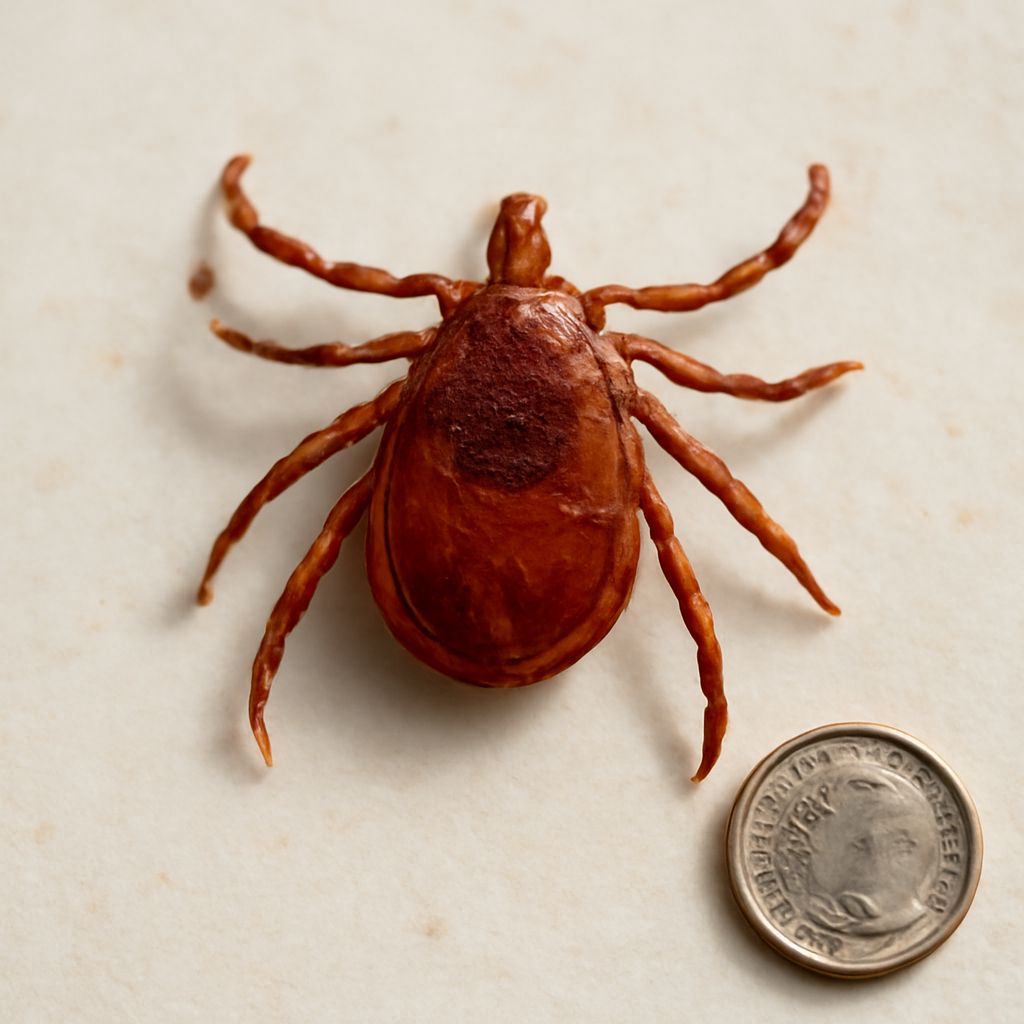
Identifying ticks on your cat involves carefully examining their body. Focus on areas where the fur is thinner, such as around the ears, neck, and between toes. Ticks can vary in size and color, appearing as small, dark brown or black bumps.
You might mistake a tick for a skin tag or scab initially. However, ticks have a distinctive hard shell, making them feel firm to the touch. Regular checks will not only help in early identification but also in preventing potential health issues.
Risks Associated with Tick Bite on Cat
Health Risks
Ticks pose several health risks to cats. The most immediate concern is irritation or allergic reactions at the site of the bite. Some cats may develop redness, swelling, or even hair loss in the affected area. Monitoring these symptoms is crucial to ensure they do not escalate.
Disease Transmission
Beyond local reactions, ticks can transmit diseases to cats, such as Lyme disease, tularemia, and cytauxzoonosis. While less common than in dogs, it remains a serious concern. Symptoms of tick-borne diseases can include lethargy, fever, and loss of appetite. Prompt removal and monitoring can reduce the risk of disease transmission.
How to Get Rid of Ticks on Cats
Manual Removal Techniques
Manual removal is essential once a tick is identified. Use fine-tipped tweezers to grasp the tick as close to the cat’s skin as possible. Pull steadily without twisting to avoid leaving parts embedded in the skin. After removal, disinfect the area and wash your hands thoroughly.
Consider keeping the tick in a sealed container for identification if needed later. It helps veterinarians diagnose potential illnesses if your cat shows symptoms of tick-borne diseases.
Preventative Measures
Prevention is critical in managing ticks. Utilize tick preventatives recommended by your veterinarian, such as topical treatments, collars, or oral medications. These products create a protective barrier, reducing the chance of tick attachment.
Additionally, maintaining a clean environment reduces tick habitats. Regular grooming and checks post-outdoor play help catch and remove ticks before they pose a significant threat.
When to Consult a Veterinarian
If you struggle with removing a tick, or if your cat exhibits signs of illness, it’s time to consult a veterinarian. Persistent symptoms like fever, fatigue, or unusual behavior necessitate professional evaluation. Your vet can assess for tick-borne diseases and recommend appropriate treatments to keep your cat healthy.
Veterinary professionals can also advise on the best preventative measures tailored to your cat’s lifestyle and health needs, ensuring long-term protection and peace of mind.
Key takeaways: Ticks are a concern for both indoor and outdoor cats, with outdoor exposure increasing risk. Regular checks and proper tick removal are critical in managing these parasites. Always consult with a veterinarian for persistent symptoms or effective prevention strategies.