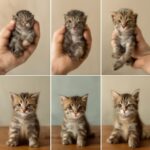
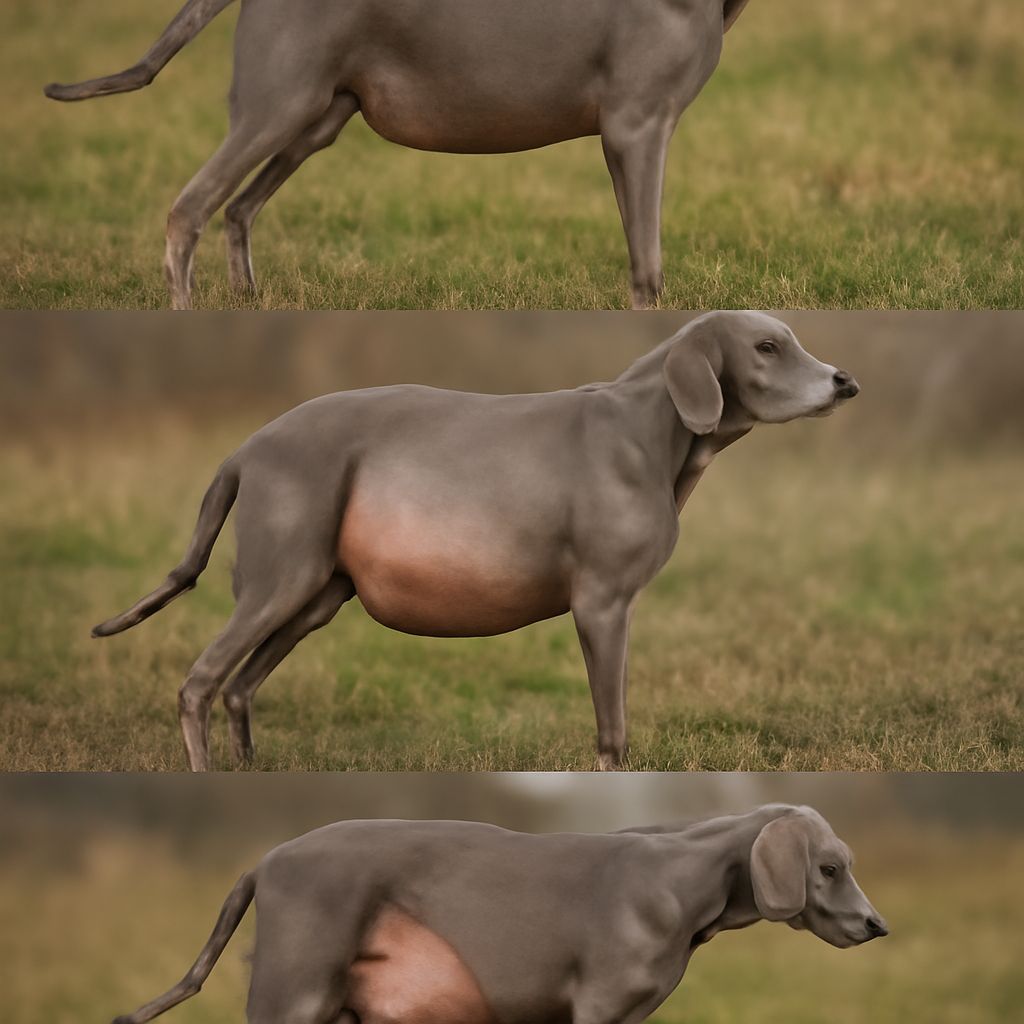
Imagine coming home to find your usually energetic feline friend curled up on the floor, her belly noticeably swollen. You gently run your fingers across her abdomen, and it feels firmer than usual—a classic sign of a cat hard stomach. As a concerned pet owner, recognizing these changes is crucial to ensuring your pet’s health. A cat distended belly can signal various underlying issues, and understanding these can guide you in seeking timely help.
When dealing with a bloated cat, it’s essential to distinguish between normal post-meal fullness and more serious conditions. This knowledge not only helps in alleviating discomfort but also in preventing potential health crises. Let’s explore the causes, symptoms, and solutions to managing your cat’s health effectively.
Recognizing a Bloated Cat
Identifying a bloated cat involves observing both physical signs and changes in behavior. A cat with a bloated abdomen may appear lethargic or unwilling to engage in usual activities. You might notice an increase in abdominal size, coupled with a firm or taut belly upon gentle palpation.
Additionally, a bloated cat could exhibit signs of discomfort or distress, such as restlessness or vocalizing more than usual. Paying attention to these cues can help you act promptly in addressing potential health issues.
Common Causes of a Cat Distended Belly
There are several reasons why a cat may develop a distended belly. Overeating or eating too quickly can lead to temporary bloating. However, more serious causes include gastrointestinal blockages, internal parasites, or fluid accumulation due to organ dysfunction.
In some cases, a distended abdomen may result from tumors or other growths. Identifying the underlying cause is vital to determining the appropriate course of action. Consulting with a veterinarian can help clarify the root cause of the distension.
Symptoms of Bloating in Cats
Beyond a visible increase in abdominal size, bloating can manifest through various symptoms. Cats may exhibit vomiting, diarrhea, or a loss of appetite. You might also notice changes in drinking habits or frequency of urination.
Behavioral changes, such as hiding or avoiding contact, can also indicate discomfort. Monitoring these symptoms alongside the abdominal changes provides a clearer picture of your cat’s health status.
Diagnosing Bloating in Cats
Diagnosing the cause of bloating involves a thorough physical examination by a veterinarian, possibly coupled with diagnostic tests. These may include X-rays, ultrasounds, or blood tests to assess organ function and detect any abnormalities.
Early diagnosis is crucial as it can prevent the progression of potentially serious conditions. A veterinarian’s expertise is invaluable in interpreting diagnostic results and formulating a treatment plan tailored to your cat’s specific needs.
Treatment Options for a Cat Hard Stomach
Treating a cat with a hard stomach depends largely on the underlying cause. If bloating is due to dietary reasons, adjusting portions or feeding habits can be effective. For blockages or severe cases, surgical intervention might be necessary.
Medications may be prescribed to address infections or manage pain, while deworming treatments are effective against parasitic infestations. In instances of fluid accumulation, draining excess fluids may be required to provide relief.
It’s essential to follow veterinary advice and ensure your cat receives appropriate care throughout the treatment process. Regular follow-ups can help monitor progress and prevent recurrence.
Safety recap: Always consult a veterinarian if you suspect your cat has a condition affecting its abdomen. Avoid self-medicating or delaying professional care, as timely intervention is key to managing health effectively.