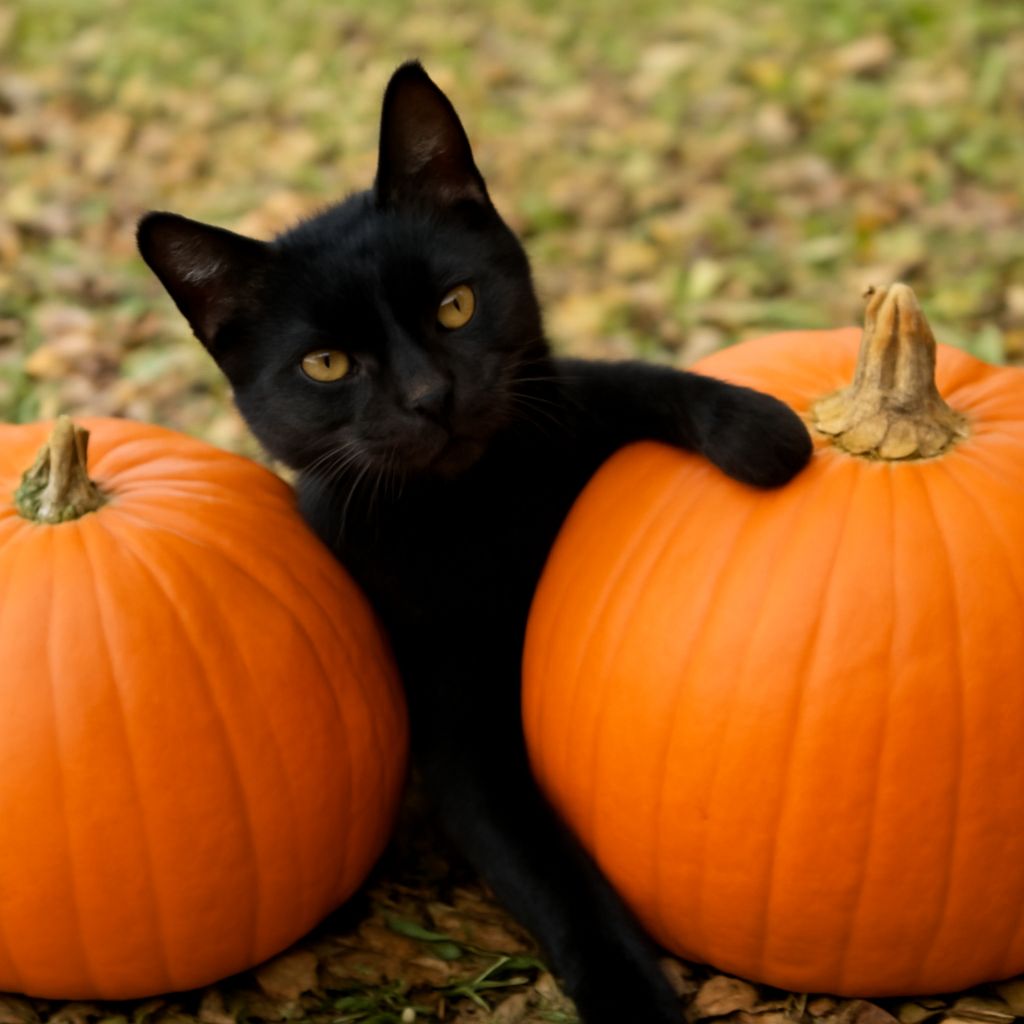
You’re in the kitchen, prepping your cat’s dinner, and you remember reading about using pumpkin for cats with diarrhea. You wonder, how much pumpkin to give a cat for a gentle digestive boost. As you spoon out some pureed pumpkin, you pause—could you give the same amount if your cat were eyeing your autumn dessert? Suddenly, the question “Can cats eat pumpkin pie?” flashes across your mind. With so many pet treat trends, it’s easy to get confused about what’s safe and how to properly portion these seasonal favorites for your feline friend. Let’s explore safe serving sizes, the potential benefits of pumpkin, and what to avoid when treating your pet.
Why Give Pumpkin to Cats?
Pumpkin has become a popular supplement in feline nutrition largely due to its fiber content and low-calorie properties. Many cat owners turn to this vegetable to support healthy digestion in their pets. When introduced in appropriate quantities, pumpkin can be a helpful addition to your cat’s regular diet, especially when mild gastrointestinal upset arises.
Unseasoned, cooked pumpkin is rich in both soluble and insoluble fiber. These fibers can help regulate the digestive tract, reducing issues like occasional constipation or loose stool. The vitamin content, including vitamins A, C, and E, along with potassium and iron, can provide a nutritional boost, making the vegetable a wholesome snack when offered correctly.
Additionally, cats who are overweight or prone to hairballs might benefit from modest servings of pumpkin. Its bulk can create a feeling of fullness, potentially assisting with weight management. While pumpkin is not a cure-all, it’s a gentle, low-risk treat when provided as part of a well-balanced feline diet.
How Much Pumpkin to Give a Cat (K1 & K4)
When considering how much pumpkin you should offer to your cat, moderation is key. Generally, veterinarians recommend starting with a small amount—about half a teaspoon per meal for most adult cats. This portion can be increased gradually to a maximum of 1 to 2 teaspoons daily, depending on your pet’s size and specific needs. Always monitor your cat for any changes in stool or appetite when introducing new foods.
For kittens or smaller breeds, adjust the serving and provide only about a quarter teaspoon at a time. Too much pumpkin can cause digestive upset rather than relief, so it’s important to err on the side of caution. Fresh, plain canned pumpkin (not pumpkin pie mix) is preferred, since it lacks added sugar, spices, or preservatives that could harm your pet. Always use a clean spoon and store any extra pumpkin in the refrigerator for up to a week.
Remember, the right quantity of pureed pumpkin offers gentle support without overwhelming your cat’s digestive system. If you’re ever unsure about the ideal serving for your individual pet, consult a veterinarian for tailored guidance. Safe portions can vary based on health status, age, and dietary needs, which makes professional input valuable.
Pumpkin for Cats with Diarrhea (K3)
If your cat experiences mild digestive troubles, particularly loose stools, adding a small amount of pumpkin to their meals may help. The soluble fiber in pumpkin can absorb excess water in the gut, forming firmer stool. For feline diarrhea, many pet parents have found success with portions as small as half a teaspoon, given once or twice daily until the condition improves.
Not all cases of diarrhea are suitable for home dietary support, though. If symptoms persist, worsen, or are accompanied by other warning signs like vomiting, lethargy, or blood in the stool, seek veterinary attention immediately. For simple or diet-related diarrhea, however, a conservative dose of pumpkin for cats may provide gentle relief and encourage normalization of bowel movements.
Integrating pumpkin into your cat’s diet during digestive distress should always be done gradually and with close observation. Some cats may be sensitive to new foods, and introducing too much too quickly can result in the opposite effect, such as worsening diarrhea or soft stools. Keep water available at all times to support healthy hydration, and avoid making pumpkin the primary component of the meal.
Can Cats Eat Pumpkin Pie? (K2)
With its sweet aroma and creamy texture, pumpkin pie might seem like a tempting treat to share. However, while cats can safely eat plain pumpkin, cats should not eat pumpkin pie. The pie filling contains added sugars, spices (such as nutmeg and cinnamon), dairy, and sometimes artificial flavors or thickeners. These ingredients are not suitable for feline digestion and could potentially cause discomfort or even toxicity.
Even in small amounts, the high sugar and fat content of pumpkin pie can upset your cat’s stomach or contribute to unhealthy weight gain. Spices like nutmeg are particularly risky, as they can be toxic in certain quantities. If you want to treat your cat, always stick to unsweetened, cooked pumpkin with no additives or seasonings, and reserve dessert for the humans in your household.
Ultimately, while the idea of sharing festive foods is appealing, it’s important to distinguish between safe, plain pumpkin and processed desserts. Providing only the natural form of this vegetable ensures your cat reaps the benefits without the risks associated with pie or other baked goods.
Tips for Serving Pumpkin Safely
To incorporate pumpkin into your cat’s routine, follow a few simple guidelines. Choose pure, unsweetened canned pumpkin or cook and mash fresh pumpkin yourself. Avoid products labeled “pumpkin pie mix,” as these often contain sugar and spices unsafe for cats.
Introduce pumpkin gradually, mixing a small spoonful into your cat’s existing food. Observe your pet for any changes in behavior, appetite, or stool consistency. If your cat refuses the new addition, try blending pumpkin with a favorite wet food for a smoother transition.
Store any leftover pumpkin in an airtight container in the refrigerator and discard after a week. Never feed raw pumpkin or the rind, and avoid seeds unless they are prepared specifically for cats. When in doubt, check with your vet before making significant diet changes, especially if your pet has chronic health problems or food sensitivities.
When to Avoid Giving Pumpkin to Your Cat
While pumpkin is generally safe in moderation, there are times when it’s best avoided. Cats with certain medical conditions, like diabetes or food allergies, may react poorly to dietary changes without veterinary oversight. Additionally, if your cat’s digestive issues are severe, persistent, or accompanied by other concerning symptoms, seek professional guidance before offering any home remedies.
Cats that are already on specialized diets, such as prescription gastrointestinal food, may not benefit from added fiber. In these cases, extra pumpkin could interfere with their nutritional balance. Always monitor for any adverse reactions, such as vomiting, bloating, or refusal to eat, and discontinue pumpkin if problems arise.
Ultimately, while pumpkin is a gentle supplement for many cats, careful attention to portion size, individual health status, and ingredient quality will ensure it remains a safe, beneficial treat rather than a source of unintended problems.