
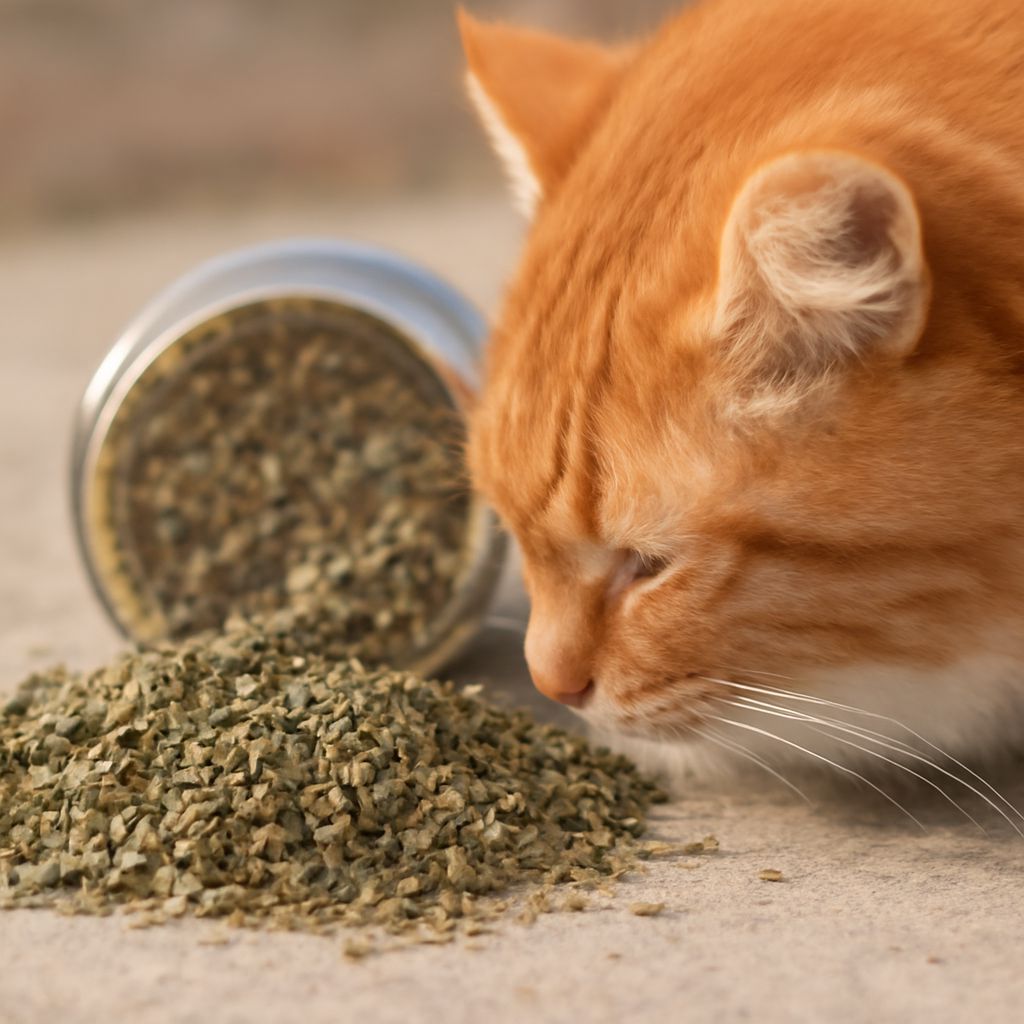
Imagine this: you’re relaxing on a sunny afternoon when your kitten suddenly zooms past, rolling and flipping with wild abandon. The secret to this burst of happiness? You just learned how to give cats catnip! As you watch your furry friend delight in the moment, you might wonder how to use catnip for cats safely, and what are the best, most entertaining methods to bring out your pet’s playful side.
Whether you’re a seasoned cat parent or new to feline fun, understanding how to introduce this magical herb makes all the difference. With the right techniques, catnip transforms ordinary play into hilarious, memorable experiences for both of you.
What Is Catnip and How Does It Affect Cats?
Catnip, scientifically known as Nepeta cataria, is a member of the mint family and has a long tradition as a feline favorite. The plant contains a compound called nepetalactone, which triggers an ecstatic response in many cats. When they sniff, rub, or even nibble on this aromatic herb, it can lead to anything from blissful rolling to frenzied zoomies.
Not every kitty reacts to catnip in the same way. Typically, sensitivity to catnip is inherited—about half to two-thirds of adult cats will show some kind of reaction, while kittens may not respond until they’re a few months old. For those who do enjoy it, the effects usually last for about 10 to 15 minutes before your pet loses interest and needs a break.
Most cats experience harmless fun: they might purr, meow, lick, play, or simply sprawl out in relaxation. The response can vary from energetic antics to gentle calmness, depending on your cat’s personality and how much catnip they’ve encountered. This wild behavior is all part of the joy you get when you know the best ways to use catnip for your cats.
Rest assured, catnip is non-addictive and safe for most felines when used correctly. It’s an easy, natural way to spice up your pet’s day, relieve boredom, and even encourage exercise in less active furballs.
How to Give Cats Catnip: Best Practices
When you’re ready to offer catnip to your furry companion, a few simple strategies make all the difference. Start by choosing a form that suits your cat’s style—dried leaves, sprays, or even fresh catnip plants are all great options. Sprinkle a small pinch of dried catnip on a favorite scratching post or toy, or give a gentle spritz of catnip spray to bedding or climbing trees.
Introduce catnip the first time in a calm environment. Let your cat approach at her own pace, and observe her reaction. Some pets prefer sniffing rather than eating, while others may want to chew on fresh leaves or bat at stuffed toys filled with the herb. If you’re using catnip for multiple cats, supervise their interactions to prevent squabbles over the good stuff!
Consistency matters for maximum fun but avoid overdoing it. To keep the novelty alive, offer catnip two or three times a week instead of daily. This will help maintain your pet’s enthusiasm and ensure she doesn’t become desensitized to its charms.
Most importantly, tailor the experience to your specific kitty. Some cats adore rolling in a pile of loose leaves, while others prefer catnip-infused scratching pads or puzzle games. Experiment to see what delights your feline friend the most.
Creative Ways to Use Catnip for Cats
There’s more to catnip than just tossing a handful on the floor! To make playtime extra special, try stuffing a favorite toy with a bit of the herb, or sew your own simple catnip pillow with sturdy fabric for endless batting and kicking.
Sprinkle a little catnip into cardboard boxes to turn them into irresistible playgrounds, or sprinkle a trail across a scratching post to encourage positive scratching habits. Catnip sprays also work wonders—spritz them on new beds or carriers to help your kitty adjust to unfamiliar spaces with ease.
If you’re feeling crafty, consider growing your own catnip plant on a sunny windowsill. Fresh leaves can be snipped and offered as a treat, or dried for later use. Homemade catnip bubbles are another fun project: simply mix a bit of catnip tea with pet-safe bubble solution and let your cat chase the floating fun.
Rotate different catnip toys and games to keep playtime fresh and exciting. By changing up your approach, you’ll keep your cat guessing—and eager to see what you’ll try next.
How Much Catnip Should You Give Cats?
A little goes a long way when it comes to catnip! Most felines only need a pinch or two of dried catnip, or a brief encounter with a catnip toy, to feel the effects. For sprays, a couple of gentle spritzes is usually sufficient. Using more doesn’t necessarily increase enjoyment, and too much can lead to a messier, less pleasant play session.
Monitor your cat’s reaction—if she starts to lose interest or act overly excited, it’s time to put the catnip away for a while. Some cats will try to eat catnip leaves; this is generally fine in small quantities, but avoid letting them consume large amounts to prevent tummy upset.
If you have multiple cats, consider offering each pet their own portion of catnip. This helps prevent competition and ensures everyone gets a fair share. Always remember: moderation is key to making catnip a fun and safe treat for your feline companions.
Setting a regular schedule—such as every few days—helps maintain your cat’s interest and ensures that using catnip remains a special, anticipated event.
Safety Tips for Using Catnip with Your Cat
While catnip is safe for most healthy adult cats, there are a few safety guidelines to keep in mind. Always supervise playtime, especially when introducing a new form of catnip or toy. This helps prevent accidental ingestion of non-edible parts, like fabric or stuffing.
If your cat exhibits signs of aggression, overstimulation, or unusual behavior after catnip exposure, take a break and try again later. For young kittens or cats with certain health conditions, consult your veterinarian before making catnip part of their routine.
Store catnip and catnip toys in sealed containers when not in use—this keeps the herb fresh and prevents your curious kitty from helping herself. Avoid giving catnip to cats more than two or three times weekly, as constant exposure can dull their response and reduce the excitement.
Ultimately, by following these tips and observing your cat’s unique reaction to catnip, you’ll create a fun, safe environment that both you and your feline will love.
Next steps: Now that you know how to use catnip for cats, try introducing it in several different ways and watch your furry friend’s preferences develop. Remember to rotate toys, limit frequency, and keep sessions playful for the best results. Happy playing!