
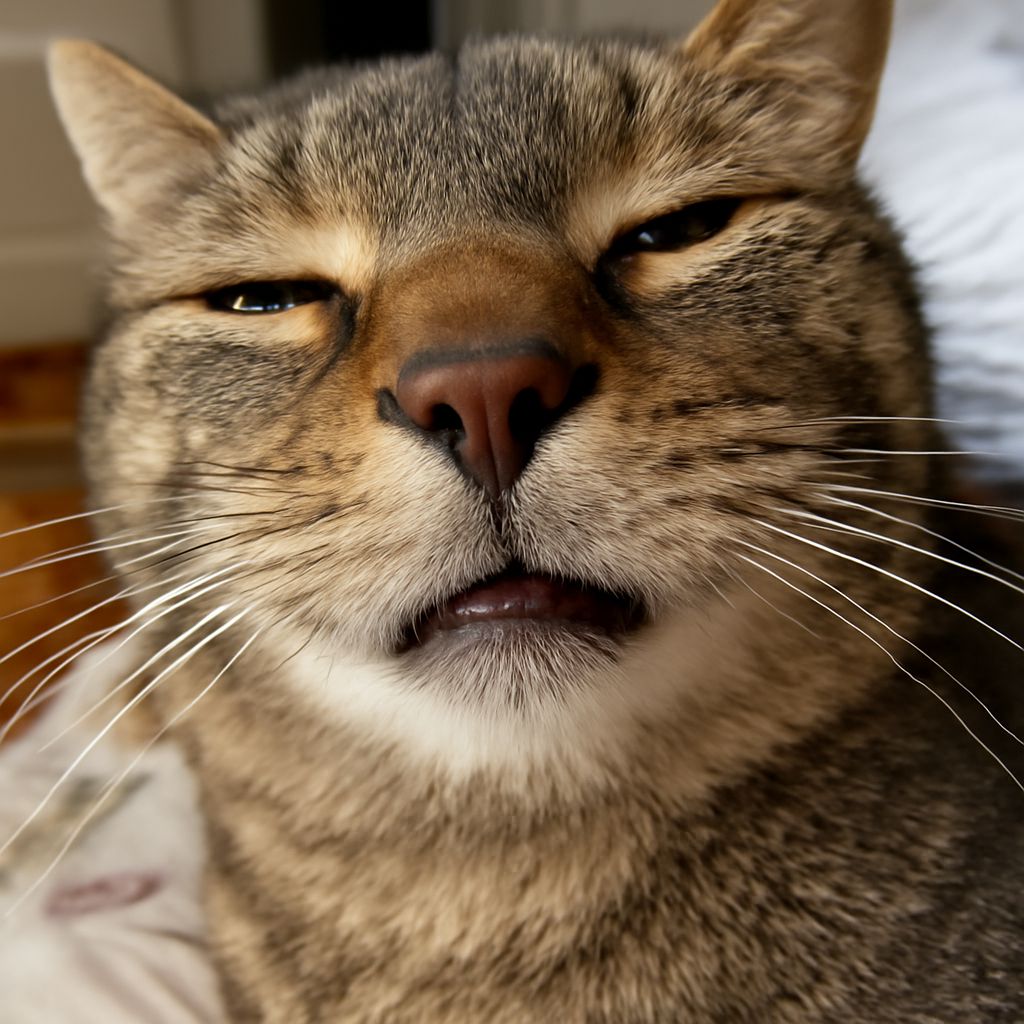
Imagine you’re settling in for a quiet evening when your cat pads over for a cuddle. You notice something unusual: a distinct swelling on your cat’s bottom lip. Concern rises as you recall reading about cat swollen lip issues and how they often signal underlying dental health problems. Suddenly, you realize this isn’t just a cosmetic concern—your cat’s comfort and oral wellness may be at risk.
As you gently inspect your cat’s mouth, you wonder what could be causing the swollen bottom lip. Is it an injury, a reaction, or a sign of something deeper like dental disease? Understanding the causes, symptoms, and appropriate care for a cat swollen lip is crucial for any pet parent invested in their companion’s well-being and dental care.
Understanding Cat Swollen Lip and Its Causes
A feline’s swollen lip is more than a passing oddity; it can reflect a spectrum of underlying issues, ranging from mild irritations to more complex dental concerns. While some swelling cases are minor and resolve on their own, others may indicate significant health or oral conditions that require prompt attention. Identifying the source of a swollen lip helps ensure your cat’s overall wellness and comfort.
One frequent explanation for a cat developing lip swelling is trauma or localized injury. Cats are curious creatures and may accidentally bump their mouth or get scratched during play or scuffles with other pets. Allergic reactions to food, insect bites, or environmental factors can also trigger swelling, often accompanied by redness or itchiness around the mouth area.
However, dental disease is a leading cause of cat lip and mouth inflammation. Infections like gingivitis, periodontal disease, or tooth abscesses can all result in pronounced bottom lip swelling. Less commonly, autoimmune disorders or benign growths such as eosinophilic granuloma complex could be at play, each requiring a specific approach for diagnosis and care. Recognizing the possible connections between oral health and a cat swollen lip can help guide your next steps.
Recognizing Symptoms of Cat Swollen Bottom Lip
Spotting the signs of a swollen lip in cats goes beyond visual inspection. While a puffed lower lip is the most obvious clue, other symptoms often emerge alongside it, offering hints to the root problem. Careful observation is vital for catching these early and seeking timely veterinary advice.
Besides noticeable swelling, your feline companion might exhibit discomfort while eating, drooling more than usual, or pawing at their mouth. These behaviors often suggest that the bottom lip swelling is causing pain or interfering with normal activities. Sometimes, you may see discoloration—redness, darkening, or even ulceration—on or near the affected area.
In some cases, the symptoms extend to changes in your cat’s general demeanor. A cat with a swollen lip may become withdrawn, irritable, or reluctant to groom. Bad breath (halitosis) is another common warning sign, frequently hinting at underlying dental health issues. By keeping an eye out for these subtle changes, you can intervene early and provide the care your cat needs.
Common Dental Health Issues Behind Cat Swollen Lip
The connection between feline oral health and lip inflammation is well established. Dental problems are among the most common causes of a swollen bottom lip in cats. Understanding these dental challenges can help you take preventive action and recognize when professional intervention is necessary.
Gingivitis, the inflammation of gum tissue, is a frequent culprit. When bacterial plaque builds up along the gumline, it can lead to redness, swelling, and discomfort extending to the lips. If left untreated, gingivitis can progress into periodontal disease, where infection spreads deeper into the tissues and bones supporting the teeth, resulting in more severe swelling and even tooth loss.
Dental abscesses occur when bacteria invade the root of a tooth, causing pus to accumulate and create pressure on the surrounding tissues. This infection can quickly cause pronounced swelling of the bottom lip and may be accompanied by visible sores or draining tracts. Cats with advanced dental conditions often show additional symptoms like reluctance to eat, weight loss, or overall lethargy.
Other oral diseases, including stomatitis (widespread inflammation of the mouth) and the eosinophilic granuloma complex, may also contribute to swollen lips. Recognizing the hallmarks of dental-related swelling is a vital step in ensuring your cat’s dental health remains intact.
Diagnosing and Treating Cat Swollen Bottom Lip
A prompt and thorough veterinary evaluation is essential when you notice persistent swelling of your cat’s lip. Your vet will review your pet’s medical history, perform a physical examination, and may recommend diagnostic tests such as oral X-rays or biopsy, particularly if dental disease or abnormal growths are suspected.
Treatment depends on the underlying cause. If an infection or dental problem is identified, antibiotics and dental cleaning may be prescribed to resolve the issue and reduce inflammation. In cases stemming from allergies, your veterinarian might suggest dietary adjustments or antihistamines to address the reaction. For more chronic or complex conditions, such as autoimmune disorders or granulomas, a tailored regimen involving steroids or immunosuppressive medications may be recommended.
Supportive care at home is also crucial. Gently cleaning your cat’s mouth as directed by the vet, monitoring their eating habits, and ensuring they remain hydrated can all promote healing. Always follow veterinary guidance for any prescribed medication or dental procedure, avoiding home remedies that could worsen the condition.
Preventing Cat Swollen Lip and Protecting Dental Health
Prevention plays a key role in minimizing the risk of swollen lips and maintaining your cat’s oral health. Regular dental care, including routine brushing with feline-safe toothpaste and professional cleanings, helps keep plaque and bacteria at bay. Incorporating dental-friendly toys or treats can further support healthy teeth and gums.
Monitor your cat for signs of irritation or allergy, particularly when introducing new foods, treats, or environmental changes. Periodic checks of your cat’s mouth and lips can help you spot early signs of irritation, swelling, or other abnormalities before they escalate.
Maintaining a balanced, high-quality diet tailored to your cat’s specific needs can strengthen oral and immune health, making your pet less susceptible to infections and allergic reactions. Regular veterinary checkups, even when your cat appears healthy, offer an opportunity to catch oral or dental concerns early and keep your feline friend in top condition.
Safety recap: When addressing a swollen lip or related dental problems in your cat, prioritize professional diagnosis and appropriate care. Avoid using human medication or unapproved products, and maintain gentle oral hygiene to safeguard your cat’s comfort and health.