You come home from work and notice your cat drinking a lot of water. This behavior is unusual, and you wonder if this excessive thirst is something to be concerned about. As you ponder the possible causes, you start to question whether your beloved pet is simply quenching its thirst or if there might be an underlying issue contributing to this sudden change.
Cat excessive thirst can signal a variety of conditions, from dietary changes to more serious health concerns. Knowing when to worry about excessive drinking in cats can help you address the situation proactively. Understanding the nuances of feline hydration is key to ensuring your cat’s well-being.
Why Is My Cat Drinking a Lot of Water?
When you see your furry companion at the water bowl more often than usual, it might be puzzling. Cats typically prefer to get most of their moisture from their food, especially if they consume wet food. A sudden increase in water consumption could be due to a variety of factors, ranging from environmental changes to changes in their diet. It can also be a behavioral response to stress or a dietary adjustment, such as the introduction of dry kibble.
Signs of Excessive Thirst in Cats
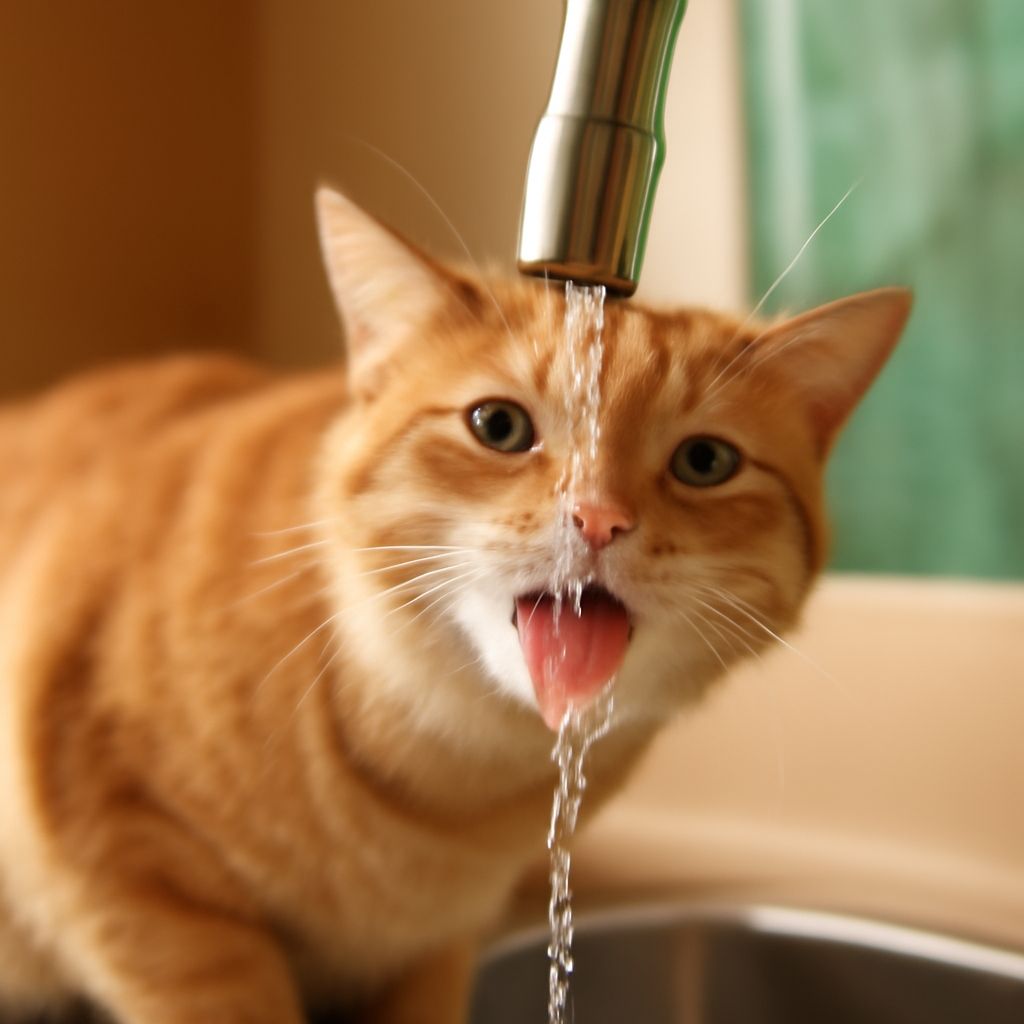
Recognizing signs of excessive thirst in your cat is crucial. If your cat is frequently visiting the water bowl, urinating more often, or even seeking out unusual water sources like faucets or toilets, these could be indications of excessive drinking. Additionally, pay attention if your cat seems to be losing weight or appears lethargic, as these could be associated symptoms.
Common Causes of Cat Excessive Thirst
Several common causes can lead to an increase in your cat’s water consumption. One of the most prevalent is diabetes mellitus, a condition where the body cannot properly use glucose, leading to increased thirst and urination. Kidney disease is another common issue, especially in older cats, causing them to drink more water to compensate for impaired kidney function. Hyperthyroidism, an overactive thyroid gland, can also result in increased thirst.
When to Worry About Excessive Drinking in Cats
It’s essential to know when your cat’s thirst becomes a concern. If you notice any additional symptoms like vomiting, diarrhea, or a sudden change in appetite, it’s time to consult a veterinarian. Even if your cat seems healthy otherwise but is displaying persistent excessive thirst, a professional evaluation is warranted to rule out any serious conditions.
How to Monitor Your Cat’s Water Intake
Monitoring your cat’s water intake can provide valuable insights into their health. Consider measuring the amount of water you put into your cat’s bowl daily and track how much is left at the end of the day. This can help you detect changes in their drinking habits. Additionally, observe any shifts in their behavior or routine that might correlate with increased water consumption.
Diet and Nutrition’s Role in Cat Hydration
Your cat’s diet plays a crucial role in their hydration levels. Cats consuming primarily dry food may naturally drink more water to compensate for the lack of moisture in their diet. Introducing wet food or adding water to their dry food can help maintain proper hydration. Also, ensure that your cat has access to fresh, clean water at all times to encourage regular drinking habits.
Consulting a Veterinarian for Cat Excessive Thirst
When dealing with a cat’s excessive thirst, consulting a veterinarian is a vital step. They can perform blood tests, urinalysis, and other diagnostic procedures to determine the underlying cause of the increased thirst. Early intervention is key in managing conditions such as diabetes or kidney disease effectively, improving your cat’s quality of life.
Next Steps: To ensure your cat remains healthy and hydrated, make it a habit to regularly monitor their water consumption and observe any changes in behavior. Maintain a balanced diet that supports their hydration needs, and do not hesitate to seek veterinary advice when you notice signs of excessive thirst. By staying attentive to your cat’s hydration habits, you can help them lead a healthier, happier life.