Imagine you’re watching your beloved feline friend lounging on a sunny windowsill, her heart gently beating as she dreams. You might not often consider it, but her health heavily relies on an intricate network of veins, arteries, and organs. The cat circulatory system, with its vital heart and complex cardiovascular pathways, serves as the lifeline of your pet. Understanding this system can enhance your ability to ensure her well-being.
Whether you’re diving into a cat heart diagram to visualize the flow of blood or learning about the essential roles that cat veins play, this guide will illuminate the intricacies of the feline cardiovascular network. Let’s explore how your cat’s heart and circulatory system contribute to her overall health and vitality.
Introduction to the Cat Circulatory System
The cat circulatory system is a diverse and complex network responsible for transporting nutrients, oxygen, and waste products throughout the body. It ensures that each cell receives what it needs to function properly. Comprising the heart, veins, arteries, and blood, this system is pivotal in maintaining your cat’s health. Just like humans, cats rely on these components to deliver oxygen-rich blood from the heart to all extremities and return deoxygenated blood to the lungs.
Understanding this system can seem daunting, but it is essential for recognizing the signs of potential health issues. From spotting circulatory disorders to understanding how your veterinarian assesses heart health during a check-up, familiarity with the circulatory system is invaluable for any cat owner.
The Role of the Cat Heart in Circulation
The heart is the powerhouse of the cat’s cardiovascular system. This muscular organ, located between the lungs, is slightly tilted to the left. Its primary function is to pump blood, ensuring that nutrients and oxygen reach all parts of your cat’s body. The heart’s rhythmic contractions also help in the removal of carbon dioxide and other waste products from the bloodstream.
Each heartbeat moves blood through a sequence of chambers and valves, designed to prevent backflow and maintain directional flow. This ensures that blood reaches the lungs for oxygenation before circulating through the body. It’s important for cat owners to understand how the heart functions, as recognizing abnormalities in rhythm or strength can be key indicators of health issues.
Understanding the Cat Heart Diagram
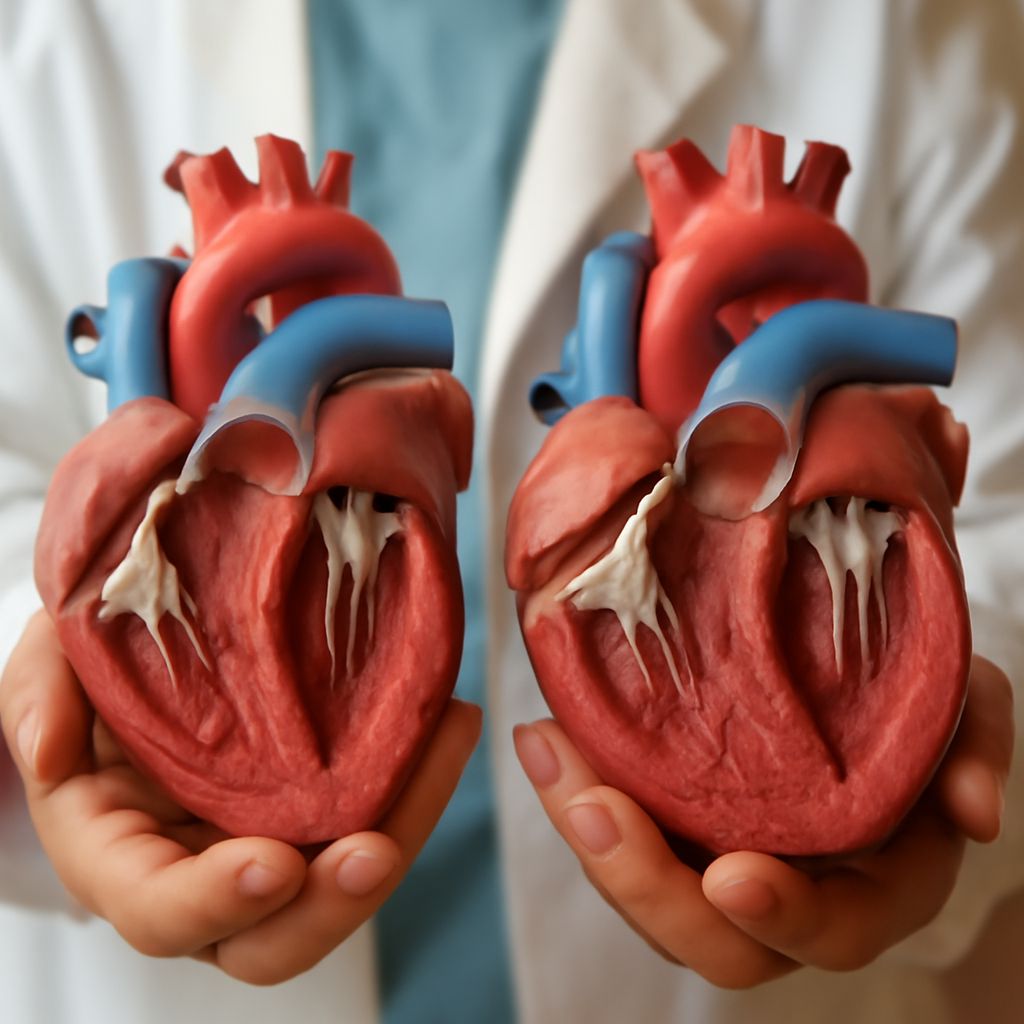
Using a cat heart diagram can be a useful tool to visualize this complex organ. The diagram typically illustrates the four chambers: left atrium, right atrium, left ventricle, and right ventricle. By examining the diagram, cat owners can gain insights into how blood flows through the heart and understand the processes involved in oxygenation and circulation.
In conjunction with a veterinarian’s guidance, a cat heart diagram can help you understand how diseases like cardiomyopathy or heartworm affect this vital organ. By becoming familiar with the heart’s structure, you can better comprehend how these conditions disrupt normal function and what symptoms to watch for in your feline companion.
Exploring Cat Veins and Their Function
Cat veins play a critical role in returning deoxygenated blood to the heart after oxygen and nutrients have been delivered to cells. This network of vessels is as crucial as the arteries that carry oxygen-rich blood away from the heart. The veins have thinner walls compared to arteries, as they operate under less pressure.
Understanding the function of veins can assist cat owners in identifying potential problems such as blood clots or vein inflammation. Conditions affecting veins can lead to decreased circulation efficiency, impacting a cat’s overall health. Observing any swelling or unusual symptoms in your cat could indicate issues in the venous system that require veterinary attention.
Linking the Cat Cardiovascular and Dissection Digestive Systems
The cardiovascular system is closely linked with the dissection digestive system. After nutrients are absorbed from digested food, they enter the bloodstream to be distributed throughout the body. This highlights the importance of a healthy diet in maintaining effective circulation.
A balanced diet supports the heart’s function and ensures that the veins and arteries remain clear of obstructions. Moreover, nutritional deficiencies can directly affect blood quality and circulation. Hence, understanding how diet impacts these systems can help you make informed decisions about feeding your cat.
As the blood carries away waste products, it further underscores the interplay between these systems. An integrated approach to your cat’s health can promote not just a healthy heart, but also an overall balanced system.
Pro tips recap: Familiarity with the cat circulatory system can enhance your pet care routine. Regular check-ups and monitoring your cat’s behavior can help in early detection of issues. Use tools like a cat heart diagram to understand health conditions better, and support your cat’s circulatory health with a balanced diet and active lifestyle.