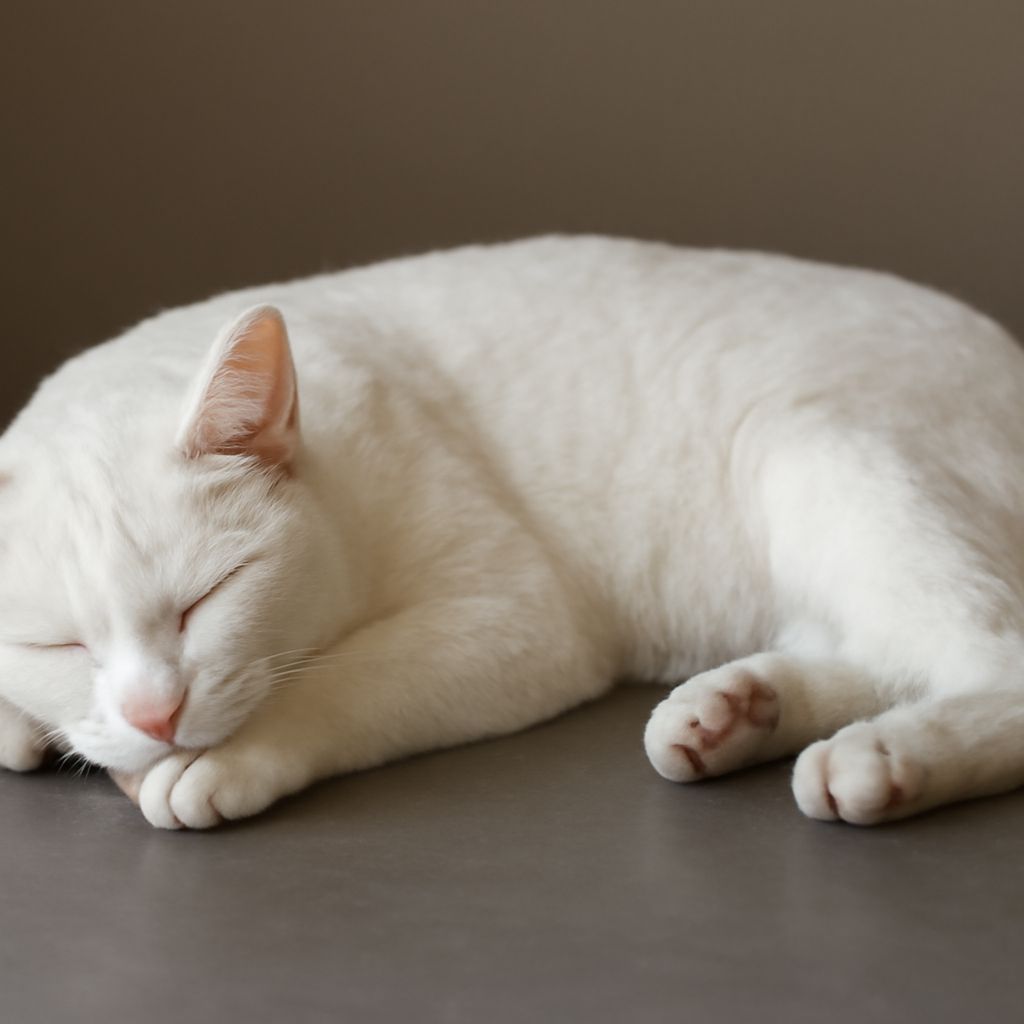
As you sit on your cozy couch, watching your cat curl up on their favorite blanket for yet another nap, you can’t help but wonder, “Is my cat sleeping too much?” You glance over at the ceramic sleeping cat statue on your shelf, a whimsical reminder of your pet’s primary pastime. But what if this excessive sleeping is a sign of something more concerning, like cat seizures while sleeping? Or worse, if your cat has recently taken to sleeping in the litter box, what does it mean for their health and happiness?
Is My Cat Sleeping Too Much?
It is well-known that cats are champion sleepers, often clocking in between 12 to 16 hours of snooze time per day. This impressive feat is due in part to their natural instincts as predators, conserving energy for hunting. However, if your feline friend is sleeping more than 20 hours a day, it might be time to evaluate their health and environment. Older cats and kittens often sleep more, but sudden changes in sleep patterns can signal underlying issues such as stress, illness, or boredom.
To determine if your cat’s sleep is excessive, observe their behavior during waking hours. Are they active, playful, and eating well? If so, their sleep routine might be perfectly normal. However, lethargy, decreased interaction, or changes in appetite paired with prolonged sleep could warrant a visit to the veterinarian.
The Mystery of the Sleeping Cat Statue
Sleeping cat statues are beloved decorative pieces, often symbolizing peace, serenity, and comfort. But what is it about these statues that captivates us? Perhaps it is their ability to capture the essence of feline tranquility, reminding us to slow down and appreciate the little joys in life. In some cultures, these statues are thought to bring good luck and ward off evil spirits, much like the real-life comfort a purring cat provides.
When choosing a sleeping cat statue, consider the material and craftsmanship. Whether it’s a ceramic figure for your mantle or a garden piece nestled amongst flowers, the statue’s expression and posture can evoke a sense of calm and contentment, reflecting the peaceful aura of a sleeping cat.
Recognizing Cat Seizures While Sleeping
Though less common, cat seizures can occur during sleep and are often mistaken for normal twitching or dreaming. Recognizing the signs of a seizure is crucial for your cat’s health. Unlike typical sleep movements, seizures may involve prolonged stiffening, uncontrolled jerking, or vocalizations such as yowling. These episodes can last from a few seconds to several minutes.
If you suspect your cat is experiencing seizures, document the frequency and duration of these episodes. This information will be valuable for your veterinarian to diagnose and recommend appropriate treatment or management strategies. Remember, a cat experiencing a seizure is not conscious of their actions, so avoid touching them to prevent accidental injury to both you and your pet.
What It Means When Your Cat Is Sleeping in the Litter Box
Finding your cat sleeping in the litter box can be perplexing and concerning. This behavior could indicate several issues, from medical problems to environmental factors. Cats with urinary tract infections or kidney issues may retreat to the litter box for comfort or as a response to discomfort.
Stress or changes in their environment, such as a new pet or rearranged furniture, might also cause a cat to seek refuge in the litter box. It could be perceived as a safe zone amid chaos. Ensure your cat has other comfortable, accessible sleeping areas, and consider if there have been recent changes that might have triggered this behavior.
Ultimately, if your cat consistently chooses the litter box as a sleeping spot, consult with your veterinarian. They can rule out medical causes and help identify any stressors or environmental adjustments needed to encourage healthier sleeping habits.