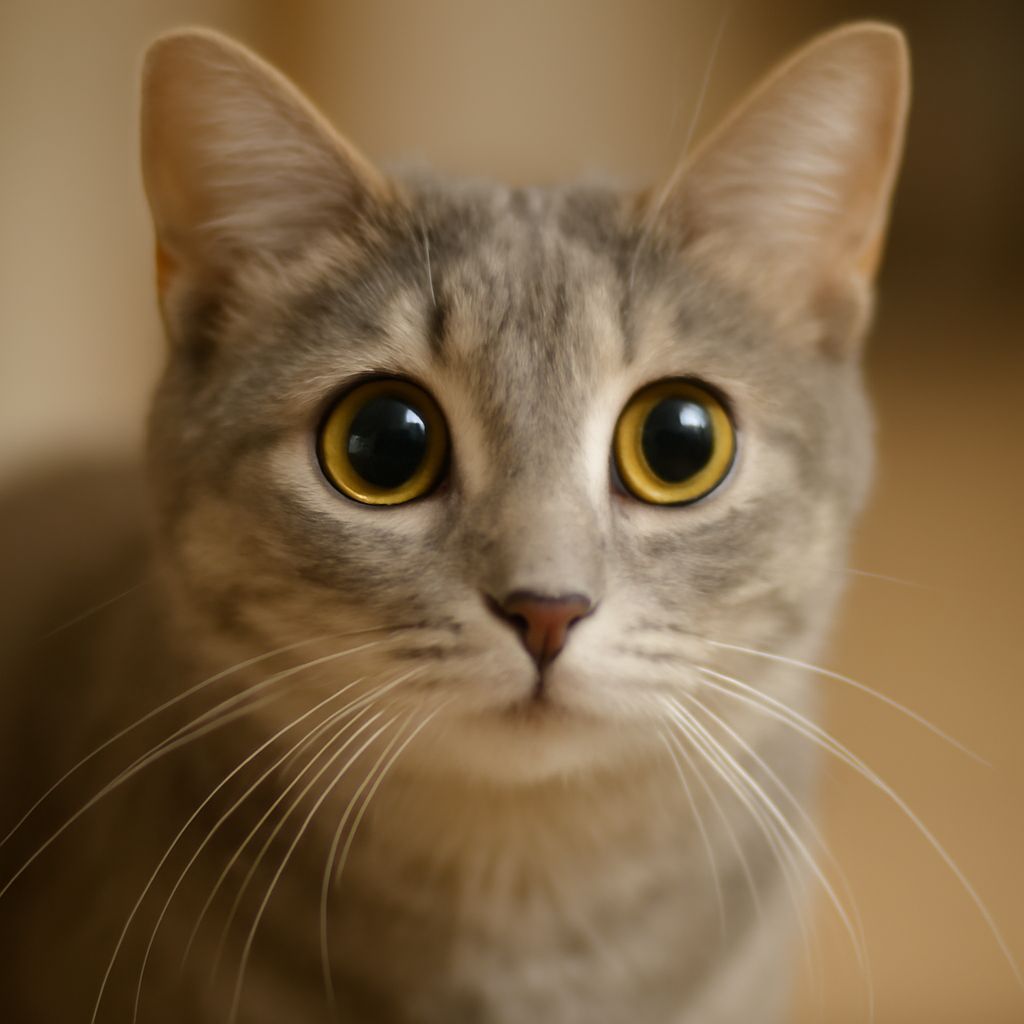
Imagine you’re cuddling with your furry friend, and you notice their eyes dilated. Your concern grows as you wonder, “Are my cat’s eyes dilated because they’re excited or is something more serious at play?” Dilated pupils in cats can be a sign of various conditions, and understanding the reasons behind this dilation is crucial for your cat’s well-being. In this guide, we’ll explore the potential causes of cat pupils dilated and provide insights into monitoring and maintaining their eye health.
Introduction to Cat Eye Dilation
What Does It Mean When a Cat’s Pupils Are Dilated?
When a cat’s pupils are dilated, it often indicates a change in the feline’s emotional or physical state. A cat’s eyes dilated can be a normal response to low light, excitement, or even fear. However, if you notice your cat’s pupils remain dilated in various lighting conditions, it could signal an underlying issue. Understanding the context in which cat eye dilation occurs is key to determining whether it’s a normal reaction or something that requires attention.
Common Causes of Cat Eye Dilation
Cats naturally adjust their pupil size in response to environmental stimuli. Scenarios like playtime or encountering a new cat might trigger their eye dilation due to excitement or caution. Besides these situational triggers, factors such as age, breed, and genetic predisposition can also influence how a cat’s pupils react to certain conditions.
Medical Reasons for Cats’ Pupils Being Dilated
Potential Health Conditions Related to Dilated Pupils
Aside from environmental reactions, there are medical reasons for cats’ pupils being dilated. Conditions like hypertension, neurological disorders, or even eye infections can contribute to persistent pupil dilation. Severe cases, such as feline dysautonomia, may also affect the nervous system, leading to noticeable changes in the eyes.
When to Seek Veterinary Advice
If you observe that your cat’s eye dilation is accompanied by other symptoms such as lethargy, changes in behavior, or vision problems, it’s vital to seek veterinary advice promptly. Persistent dilated pupils require professional assessment to rule out serious health issues. Early detection can help manage any potential conditions more effectively and ensure your cat’s overall health and well-being.
Behavioral and Environmental Causes of Cat Pupils Dilated
How Stress and Excitement Affect Cat Eye Dilation
Behavioral factors like stress or excitement significantly affect a cat’s eye dilation. When a cat feels threatened or is in a state of high alert, their pupils dilate as part of the fight-or-flight response. Similarly, during play, you might notice your cat’s pupils dilated, reflecting their engagement and anticipation.
Environmental Factors That Influence Cat Eye Dilation
Environmental elements, such as lighting and surroundings, also play a role in how a cat’s pupils behave. Bright lights typically cause constriction, while dim lighting results in dilation. Additionally, new or unfamiliar environments can cause temporary pupil dilation as your cat assesses the situation.
How to Monitor and Care for Your Cat’s Eye Health
Tips for Keeping Your Cat’s Eyes Healthy
Maintaining your cat’s eye health involves regular monitoring and care. Ensure they have a balanced diet rich in nutrients to support eye health. Keep their living environment clean to prevent infections and watch for any changes in their eyes’ appearance or behavior patterns.
Regular Eye Checkups and When They’re Necessary
Regular eye checkups are a crucial aspect of feline healthcare. Schedule appointments with your veterinarian to monitor your cat’s eye health, especially if their pupils remain dilated without an obvious cause. Early intervention can prevent potential vision loss and address issues before they escalate.
Key takeaways: Understanding the reasons behind your cat’s dilated pupils is essential for their health. While some causes are benign, persistent dilation could indicate a medical issue. Regular eye checkups and attention to your pet’s behavior can ensure their eyes remain healthy and their quality of life is optimal.