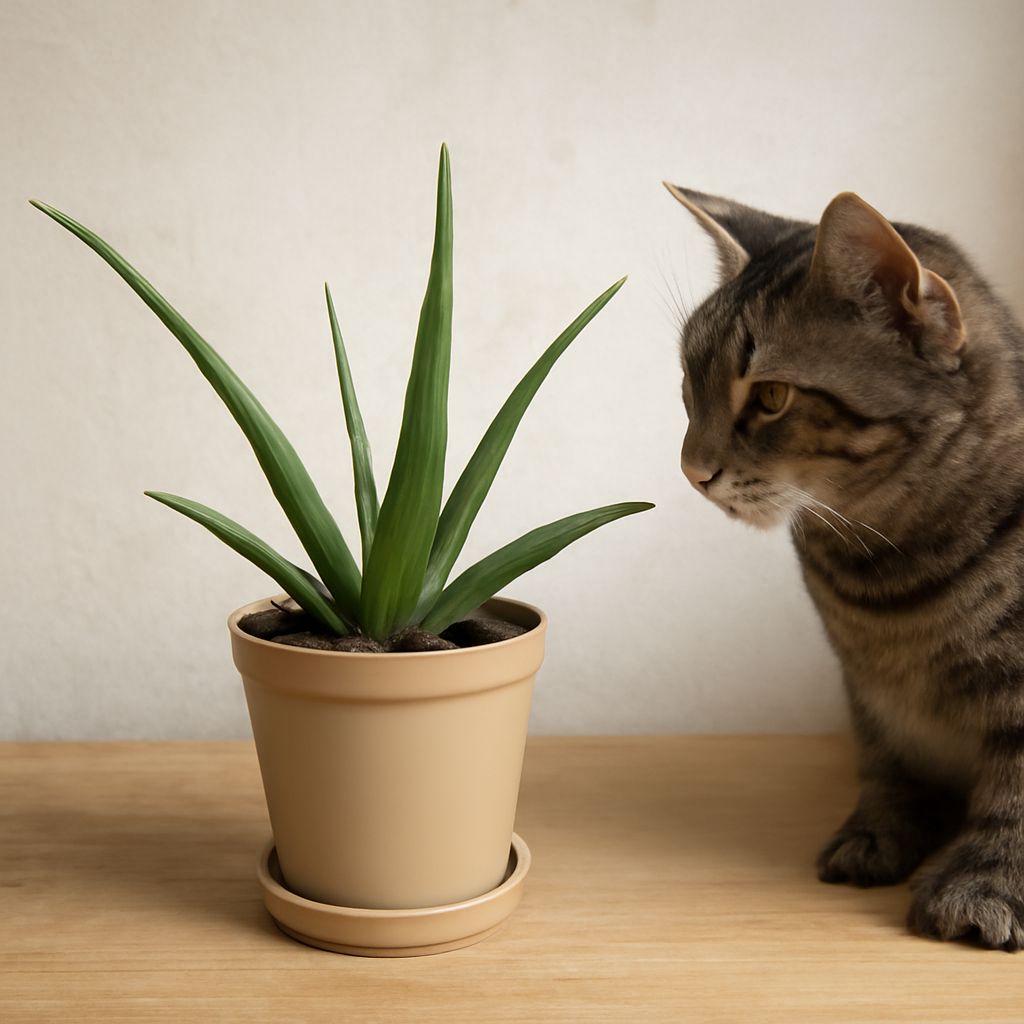
Imagine you’re sprucing up your home with some lush greenery. You choose an aloe vera plant for its minimal care needs and myriad benefits. Suddenly, a thought crosses your mind: is aloe toxic to cats? With your feline friend often roaming around the house, this question becomes crucial. Aloe plants and cats might not be a safe combination, but understanding the risks and knowing if aloe vera is safe for cats can help ensure your pet’s safety.
Understanding Aloe Vera and Its Uses
What Is Aloe Vera?
Aloe vera is a succulent plant known for its gel-filled leaves. This plant thrives in arid climates and is widely cultivated for its medicinal and cosmetic properties. The gel inside the leaves is rich in vitamins and minerals, making it a popular natural remedy.
Common Uses of Aloe Vera
The uses of aloe vera are diverse, ranging from topical applications to soothing sunburns, aiding in wound healing, and even being incorporated into skincare products. Aloe is valued for its hydrating properties and is often found in lotions, creams, and ointments.
Benefits of Aloe Vera for Humans
For humans, aloe vera offers numerous advantages. The plant’s gel is often used to moisturize the skin, reduce inflammation, and promote healing. It is also consumed in juice form for potential digestive benefits. However, these benefits for humans do not necessarily translate to safety for cats.
Is Aloe Vera Safe for Cats?
K1: Understanding the Risks
When considering if aloe is toxic to cats, it’s important to understand the components that pose risks. Aloe contains saponins and anthraquinones, compounds that can be harmful to cats if ingested.
K2: How Aloe Affects Cats
In feline companions, aloe ingestion can result in various adverse effects. The compounds in aloe may lead to gastrointestinal upset, characterized by vomiting and diarrhea. It’s crucial to be aware of how aloe affects cats to prevent potential health issues.
Signs of Aloe Poisoning in Cats
If a cat ingests aloe, symptoms of poisoning may include lethargy, loss of appetite, and changes in behavior. These signs indicate that your pet may be suffering from aloe toxicity. Immediate attention is necessary to prevent further complications.
What to Do If Your Cat Ingests Aloe
If you suspect that your cat has ingested aloe, contact a veterinarian immediately. Providing prompt care can mitigate the effects of aloe poisoning in cats. In the meantime, keep the plant out of reach and monitor your cat closely for any symptoms.
Alternatives to Aloe for Cat Owners
Pet-Safe Plants for Your Home
To create a cat-friendly environment, consider introducing pet-safe plants. Options such as spider plants, Boston ferns, and bamboo are non-toxic to cats and can safely beautify your home without posing a threat to your furry friend.
How to Create a Cat-Friendly Environment
Ensuring your home is a safe haven for your cat involves more than just choosing the right plants. Remove or secure any plants that could be harmful, provide plenty of toys and climbing structures, and create cozy resting spots. This holistic approach can help prevent accidents and promote a healthy lifestyle for your pet.
Safety recap: Aloe may be beneficial for humans but can be harmful to cats. Opt for pet-safe plants and closely monitor your cat’s interactions with household greenery to ensure their well-being.