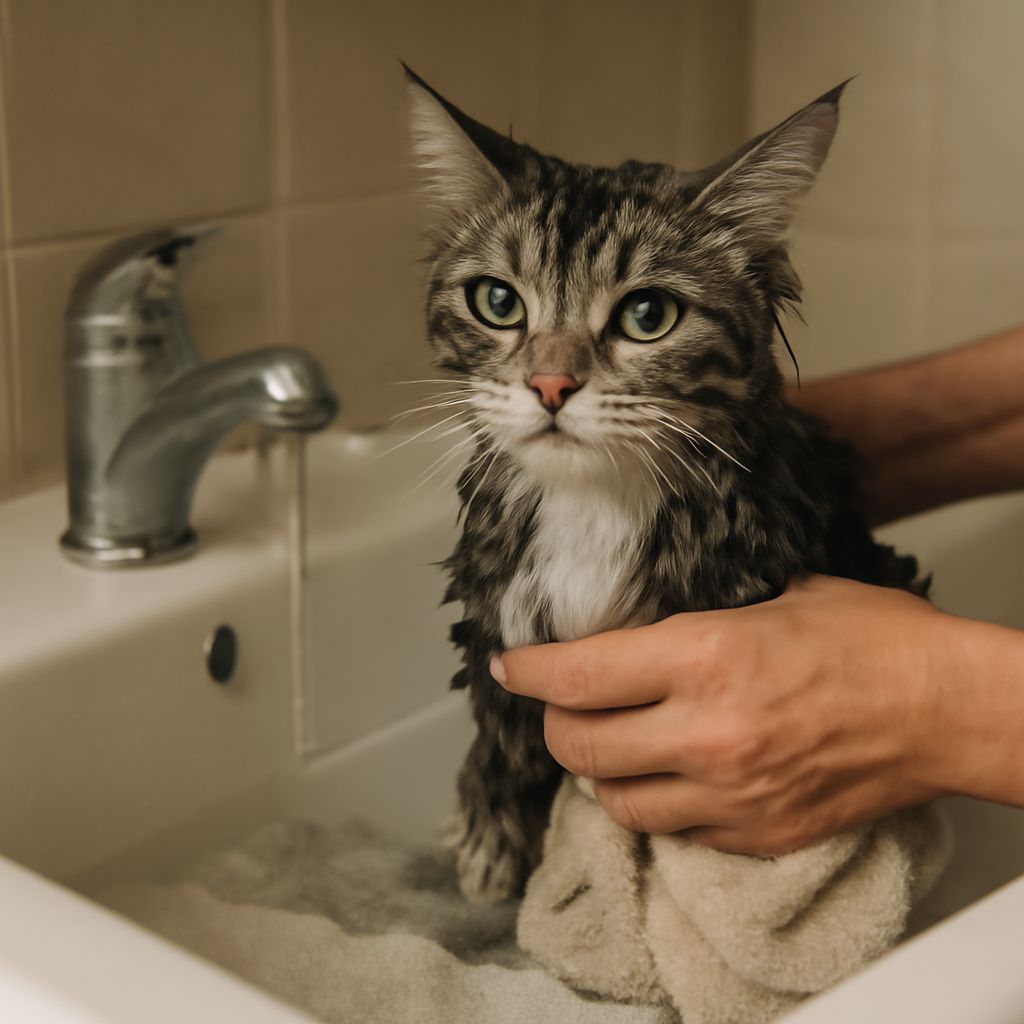
Imagine it’s a sunny afternoon, and you’re sipping your coffee while your feline friend is lounging on the couch. Suddenly, you catch a whiff of something unpleasant. It’s your cat, and it desperately needs a bath. If you’re wondering how to wash a cat without turning the experience into a wrestling match, you’ve come to the right place. Discover the best way to bathe a cat with our expert tips and learn how to shower a cat properly, ensuring a stress-free experience for both you and your furry companion.
Understanding the Need for Cat Bathing
Many cat owners might ask themselves why they should even bother with cat bathing since cats are known for their self-grooming prowess. However, there are instances when a cat bath becomes necessary. Long-haired breeds often require more frequent cleaning to prevent matting and tangles. Additionally, if your cat has gotten into something sticky or smelly, personal hygiene demands a thorough wash. Allergies, skin conditions, or flea infestations also warrant the occasional cat shower.
Preparing for Bathing Your Cat
Preparation is key to a successful cat bath. Start by trimming your cat’s claws to prevent accidental scratches. Brush its fur to remove loose hair and tangles, making the washing process smoother. Choose a time when your cat is calm, perhaps after a meal or play session. Ensure the bathing area is warm and free of drafts, as cats can be sensitive to cold temperatures. Familiarizing your cat with the bathing area beforehand can also reduce anxiety and make the whole process more enjoyable.
Essential Gear for How to Wash a Cat
Having the right tools at hand will make washing your cat a breeze. You’ll need a cat-friendly shampoo, as human products can irritate feline skin. A non-slip mat in your sink or tub will provide your cat with stability and comfort. Use a small container or a detachable showerhead to gently wet and rinse your pet. Towels are essential for drying, and a fine-toothed comb can help with post-bath grooming. For skittish cats, a rubber spray cap might be less intimidating than standard shower heads.
Step-by-Step Guide on How to Shower a Cat
Begin the cat shower by gently wetting your pet’s fur, avoiding the face area. Apply a small amount of shampoo, working it into a lather while talking soothingly to your cat. Rinse thoroughly to ensure no residue is left behind, which could irritate the skin. Use a damp cloth to clean the face, keeping soap and water out of sensitive eyes and ears. Finally, wrap your cat in a towel and pat dry, offering treats and praise to reinforce the positive experience.
Tips for Making Cat Bathing a Positive Experience
Creating a stress-free bathing environment is crucial. Maintain a calm demeanor and use a gentle, reassuring tone. Positive reinforcement goes a long way, so reward your cat with treats and affection before, during, and after the bath. Gradual exposure to water and the bathing area can help reduce fear. For particularly anxious cats, using pheromone diffusers or sprays can offer additional calming effects.
Troubleshooting Common Cat Bathing Issues
Even with the best preparation, cat bathing can come with challenges. If your cat resists entering the water, try using a shallow container where it can stand rather than immersing it completely. Should your cat become aggressive, it’s crucial to remain patient and avoid forcing the process. Instead, consider enlisting the help of a professional groomer. If skin issues persist despite regular cleaning, consulting a veterinarian is advisable to rule out underlying problems.
Safety recap: Always prioritize your cat’s comfort and safety during baths. Use only feline-specific products, and ensure your bathing area is secure and free of hazards. Following these tips will help make each cat bath a pleasant and safe experience.