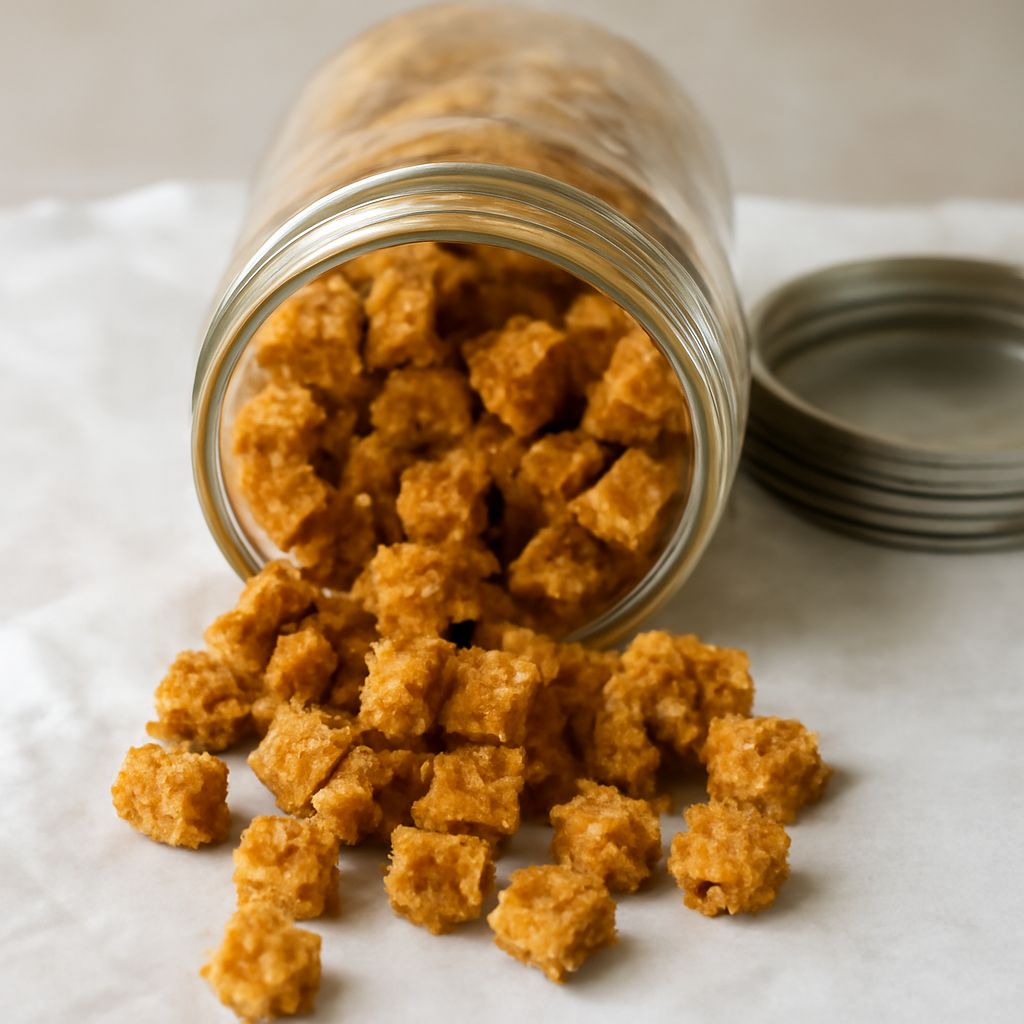
Imagine you’re in your kitchen, surrounded by the comforting aroma of freshly baked treats. Your feline friend circles at your feet, purring with anticipation. You’re not just creating snacks; you’re crafting sources of nutrition tailored specifically for your cat’s needs. By choosing homemade cat treats, you’re embracing a method to ensure your pet’s health while indulging in the rewarding process of home cooking. As you gather the ingredients, you realize that these cat treats are home made with love, focusing on healthy components that complement your furry friend’s diet while being a delightful addition to your shared moments.
Why Choose Homemade Cat Treats?
Benefits of DIY Cat Treats
Making your own cat treats offers several advantages. For one, DIY cat treats allow you to control the ingredients, ensuring they align with your pet’s dietary requirements. Homemade options often mean fewer preservatives and additives, leading to overall healthier snacks. Additionally, the process can be more economical and environmentally friendly, reducing packaging waste associated with store-bought products.
Understanding Cat Nutrition
Felines require a balanced diet filled with the essential nutrients to thrive. This includes proteins, vitamins, and minerals crucial for their development and maintenance. When crafting homemade cat treats, it’s vital to focus on these nutritional needs, incorporating ingredients like chicken, fish, and small amounts of vegetables that offer necessary vitamins. Understanding your cat’s dietary requirements helps you create treats that support their health.
Common Ingredients in Cat Treats Homemade
Some typical ingredients you might find in homemade cat treats include lean meats such as chicken and turkey, fish like salmon, and eggs. Many recipes also incorporate catnip, which can be a delightful addition that many cats enjoy. When choosing ingredients, ensure they are fresh and free from harmful additives. Remember, the goal is to create a nutritious and tasty treat your cat will love.
Safety Tips for Making Home Made Cat Treats
Safety should always be a priority when preparing homemade cat treats. Avoid ingredients toxic to cats, such as onions, garlic, and chocolate. Ensure all meats are cooked thoroughly to eliminate harmful bacteria. Pay attention to portion sizes to prevent overfeeding, and always introduce new treats gradually to monitor for any adverse reactions.
How to Make DIY Cat Treats
Simple Cat Treat Recipe Ideas
Embarking on your homemade cat treat journey can be simple with easy recipes. Consider a basic fish treat: blend cooked salmon with egg and form small balls to bake. Or, try a chicken liver delight by baking pureed chicken liver mixed with oat flour. These recipes provide a nutritious snack that your cat will surely appreciate.
Step-by-Step Guide to Cat Treats Homemade
Start by choosing a recipe that suits your cat’s taste preferences and nutritional needs. Gather all necessary ingredients and preheat your oven. Mix the ingredients according to the recipe directions, and shape them into small pieces suitable for cats. Bake until firm, then cool before serving. This process ensures that each treat is crafted with care, maintaining quality and flavor.
Storage Tips for Homemade Cat Treats
Proper storage of homemade cat treats is crucial to maintain freshness and safety. Store treats in an airtight container in the refrigerator, which can extend their shelf life for up to two weeks. For longer storage, consider freezing them in individual portions. Always label your batches with the date to ensure you’re aware of their freshness.
Alternative Ingredients for DIY Cat Treats
If your cat has dietary restrictions, consider alternatives like duck for protein or quinoa for grains. Experiment with different ingredients such as pumpkin or carrot puree to add variety. Adjusting recipes with alternative ingredients ensures you cater to your cat’s specific dietary needs without compromising on taste or nutrition.
Cat Treat Recipe Tips and Tricks
Perfecting Your Cat Treat Recipe
Achieving the perfect cat treat requires some trial and error. Start with small batches to test new recipes and adjust the ingredient ratios to find what your cat prefers. Observe your cat’s reaction and refine the ingredients accordingly to develop a treat they can’t resist.
Crafting Home Made Cat Treats for Picky Eaters
Dealing with a finicky eater can be challenging, but patience is key. Introduce new flavors gradually and consider adding a sprinkle of your cat’s favorite ingredient, like a bit of dried tuna. Sometimes, the aroma of the treat can entice even the most selective eaters.
Adjusting Recipes for Allergies
If your cat has allergies, it’s important to tailor recipes accordingly. Substitute potential allergens with safe alternatives, such as using coconut flour instead of wheat flour. Consult with your veterinarian for guidance on managing allergies through diet adjustments if your cat shows any adverse reactions to homemade treats.
Safety recap: When making homemade cat treats, prioritize safety by avoiding toxic ingredients and ensuring proper cooking. Store treats correctly to maintain their freshness and always monitor your cat for any adverse reactions when introducing new treats.