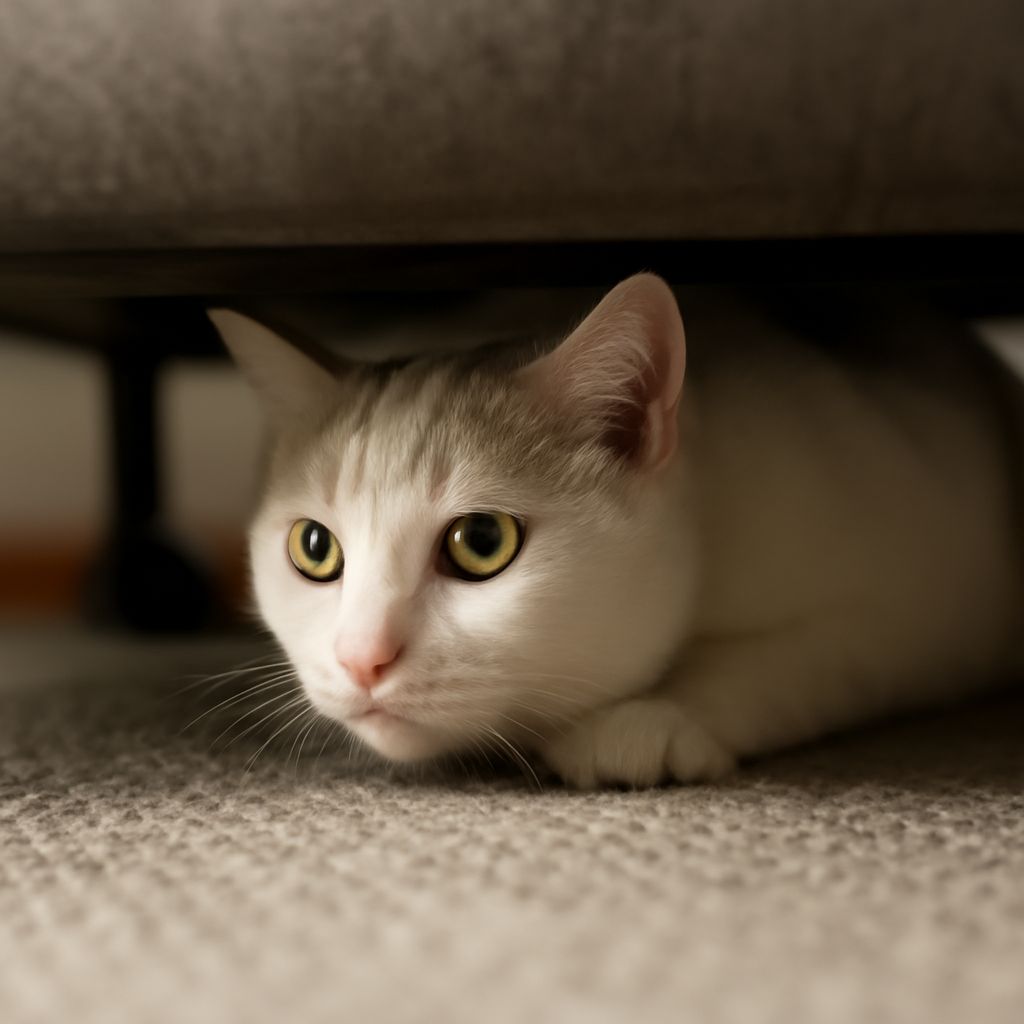
Imagine arriving home after a long day, only to find your beloved feline companion hiding under the couch, her eyes wide with fear. Your once serene cat now shows signs of anxiety, leaving you to wonder what has caused such a change. In your quest to understand how to calm a stressed cat, you might feel overwhelmed by the multitude of advice available. You want to ensure you’re using the best techniques to relax a cat effectively, but where do you start?
Let’s explore the various ways you can help in calming a stressed cat, from creating a peaceful environment to understanding the nuances of your cat’s behavior. By the end of this guide, you’ll be well-equipped with the knowledge to reduce your cat’s anxiety and provide her with the comfort she deserves.
Understanding Cat Stress and Anxiety
Signs of a Stressed Cat
Recognizing the signs of stress in your cat is the first step towards alleviating it. Look for behaviors such as excessive grooming, spraying, or hiding. These actions might indicate your cat is experiencing anxiety. Additionally, changes in appetite or litter box habits can be signals of distress.
Common Causes of Cat Anxiety
Several factors can contribute to a cat’s anxious behavior. Changes in the home environment, such as new pets or furniture rearrangements, can unsettle your feline friend. Even subtle shifts, like a new scent, can lead to stress. Understanding these triggers can help you address the root causes of your cat’s unease.
Why Calming a Cat is Important
Calming an anxious cat is crucial for her overall well-being. Prolonged stress can lead to health issues, including digestive problems and weakened immune responses. By soothing your cat’s anxiety, you not only improve her quality of life but also strengthen the bond you share with her.
Techniques for How to Calm a Stressed Cat
Creating a Safe Environment
Establishing a safe haven for your cat is essential. Ensure she has access to quiet and secluded areas where she can retreat when feeling overwhelmed. Providing cozy beds or blankets can also enhance her sense of security.
Using Calming Aids
There are various calming aids available that can assist in soothing your cat. Consider using pheromone diffusers, which mimic the natural calming substances cats produce. These can create a relaxing atmosphere that helps reduce stress.
How to Relax a Cat with Play
Interactive play is an excellent way to relieve stress in cats. Engaging your cat with toys that mimic prey can distract her from anxiety-inducing stimuli. Regular play sessions can also help expend excess energy, promoting relaxation.
Establishing a Routine
Cats thrive on routine, and predictable schedules can provide a sense of stability. Try to feed, play, and interact with your cat at the same times each day. Consistency can reassure your cat and ease her anxiety.
How to Calm an Anxious Cat Through Interaction
The Power of Gentle Touch
Physical contact can be a powerful tool in reducing a cat’s stress. Gently petting your cat in her favorite spots can release endorphins that promote relaxation. Always approach slowly and let your cat guide the level of interaction.
Using Voice and Music
Your voice can serve as a calming influence on your cat. Speak in soft, soothing tones to help ease her anxiety. Additionally, certain types of music have been shown to have a relaxing effect on cats. Experiment with classical or specifically composed pet-friendly music to see what resonates with your feline friend.
Preventive Measures for Calming a Cat
Regular Health Check-ups
Routine veterinary visits are essential in maintaining your cat’s health and identifying stress-related issues early. A vet can offer guidance on how to manage your cat’s anxiety and suggest appropriate treatments if necessary.
Diet and Nutrition
A balanced diet is key to a healthy and calm cat. Ensure your cat’s food provides the necessary nutrients, which can contribute to a stable mood. Consult your veterinarian for dietary recommendations tailored to your cat’s needs.
Stress-Reducing Supplements
Certain supplements can aid in reducing stress in cats. Products containing ingredients like L-theanine or tryptophan have been found to promote relaxation. Always discuss with your vet before introducing any new supplements to your cat’s regimen.