
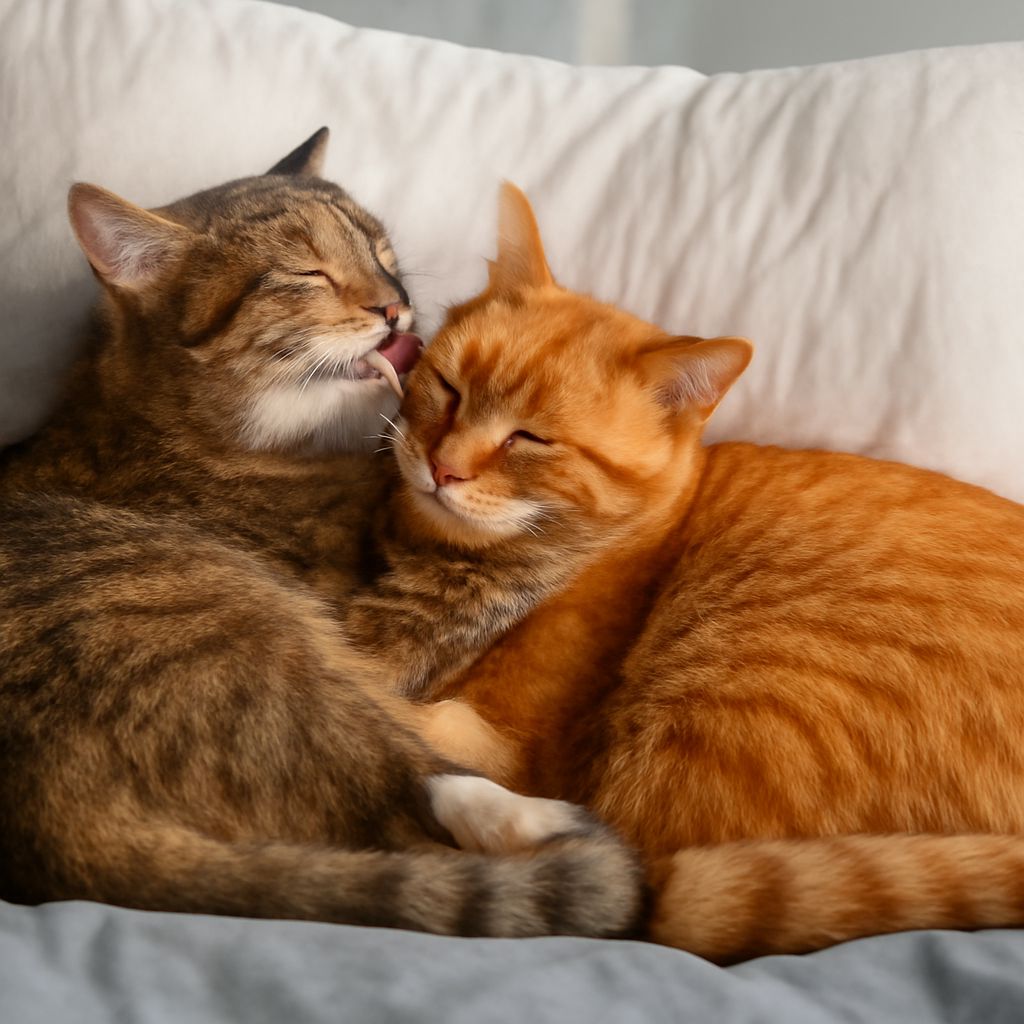
Imagine sitting in your living room, coffee in hand, when a skirmish erupts between your beloved pets. It’s not the first time you’ve wondered, “Why are my cats fighting?” Watching them, it’s clear there’s tension, and you’re left pondering how to get cats to get along peacefully. Understanding the reasons behind their aggression could be the key to reestablishing calm.
Understanding Why Cats Fight
Cats may fight for a variety of reasons, and pinpointing the cause is crucial. Often, the root of their aggression lies in territorial disputes. Cats are instinctively territorial creatures, and when they feel their space is threatened, they might resort to conflict to assert dominance. This is especially true if a new cat has been introduced into the household.
Another common cause is redirected aggression. This occurs when a cat is unable to access the source of its irritation, such as a neighboring cat seen through a window, and instead lashes out at the nearest pet. Stress can also lead to hostility. Changes in their environment, like moving homes or changes in routine, can lead to increased tension and aggression.
Signs Your Cats Are Not Getting Along
Being able to interpret your cats’ interactions is key to understanding when they’re not getting along. Obvious signs include hissing, growling, and swatting. However, not all indicators are this explicit. Subtle signals like avoidance, hiding, or one cat blocking access to resources can also suggest conflict.
Watch for changes in behavior such as increased stress, excessive grooming, or alterations in eating habits, as these can all be signs that your cats are not at ease with each other. Understanding these signs will allow you to intervene before their disagreements escalate into full-blown fights.
Preparing for a New Cat Introduction
Introducing a new cat into a household should be a gradual process to prevent territorial fights. Start by keeping the new cat in a separate room with its own food, water, and litter box. This allows both the newcomer and the resident cat to get used to each other’s scent without direct contact.
Swap bedding between the cats or rub a cloth on one cat and leave it with the other. This exchange of scents helps them become familiar with each other at a comfortable pace. After several days, you can allow them to see each other through a baby gate or a cracked door. If they remain calm, brief supervised meetings can be the next step.
Strategies for Helping Cats Get Along
There are several strategies to help cats live peacefully. One effective method is play therapy. Engage both cats in interactive play using toys like feather wands or laser pointers. This can help redirect their energy and create positive associations with each other.
Ensuring each cat has access to their own resources is also crucial. This includes separate feeding stations, litter boxes, and even sleeping areas. Providing vertical spaces such as cat trees can give them space to retreat to when needed, reducing the chances of conflict.
Positive reinforcement plays a vital role in encouraging harmonious behavior. Reward calm and friendly interactions with treats and affection. This will help them associate each other’s presence with positive experiences.
When to Seek Professional Help
If despite your best efforts, the aggression continues, it might be time to seek help from a professional. A veterinarian experienced with feline behavior can rule out any medical issues that might be contributing to the aggression. They can also recommend a certified animal behaviorist who can offer tailored advice and strategies.
Ignoring persistent aggression can lead to increased stress and potential injury for both cats. Professional guidance can be invaluable in creating a peaceful coexistence and ensuring the well-being of your furry companions.