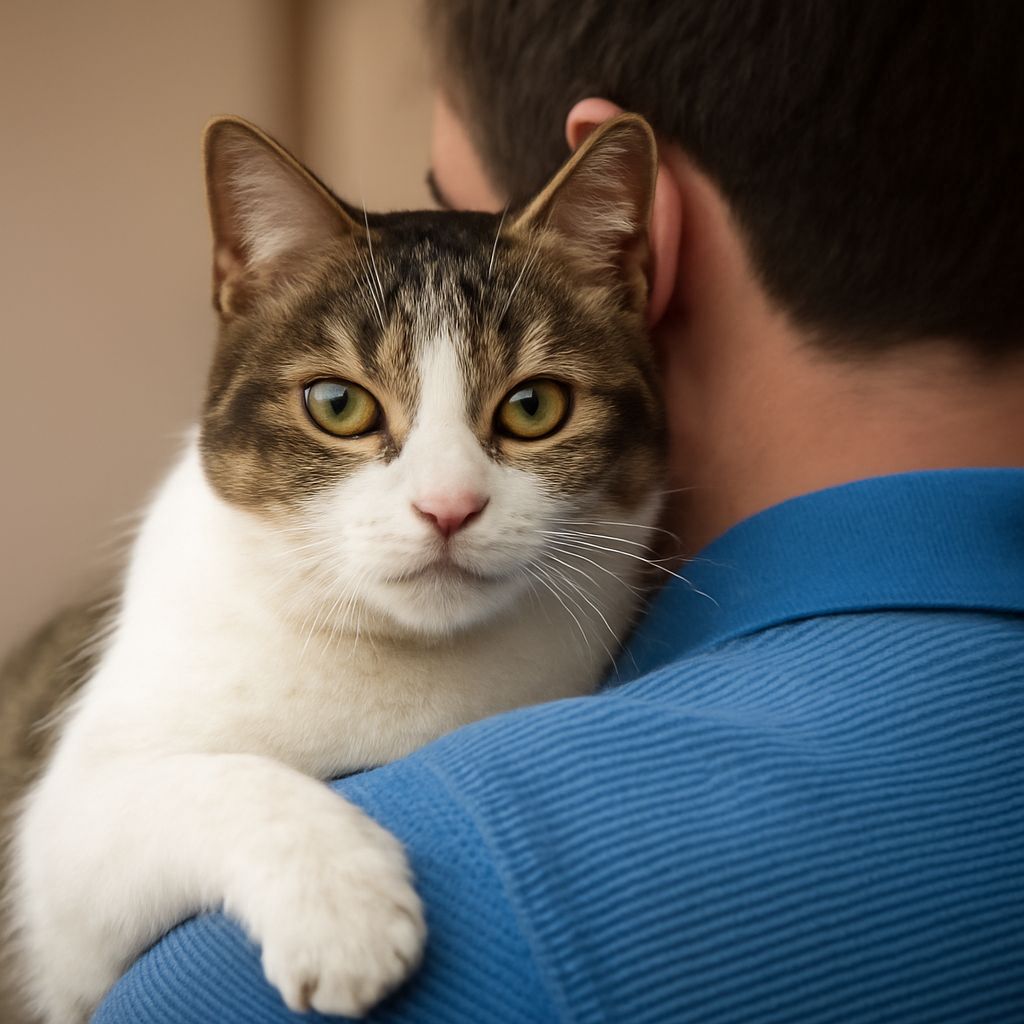
Imagine coming home after a long day, excited to be greeted by your furry friend, only to find your cat lying quietly in its favorite corner, barely lifting its head to acknowledge you. You notice your cat seems lethargic, and a wave of concern washes over you. Is your feline companion simply enjoying a lazy day, or is there something more serious at play?
When your once-active pet appears lethargic, it’s essential to recognize the symptoms and identify the possible causes of this behavior. Whether it’s due to a medical condition, an environmental change, or simply a lack of stimulation, understanding the issue is crucial to finding the right solution.
What Is Lethargy in Cats?
Defining Lethargy
Lethargy in cats is characterized by a noticeable decline in energy and activity levels. If a cat is acting lethargic, it may spend more time sleeping or lying down, showing less interest in play or interaction. This state can be temporary or prolonged, depending on various factors.
Common Symptoms of Cat Lethargy
Common symptoms accompanying lethargy include a lack of appetite, disinterest in toys, or even changes in grooming habits. A cat that seems lethargic may also exhibit signs like slowed movements or a reluctance to jump and climb as they usually would.
Causes of Cat Lethargic Behavior
Medical Conditions
Various medical conditions can cause a cat to become lethargic, such as infections, anemia, or chronic illnesses like kidney disease. It’s important to monitor other symptoms that may point to an underlying health issue. If your cat is lethargic, a thorough vet examination can help pinpoint the cause.
Environmental Factors
Changes in a cat’s environment, such as a new pet or moving house, can also lead to cat lethargy. Stress from environmental changes can significantly impact a cat’s behavior, making them appear withdrawn or inactive.
When to Worry About Your Cat Acting Lethargic
Signs of Serious Issues
If lethargy is accompanied by vomiting, diarrhea, or significant weight loss, it might indicate a more serious health problem. Persistent lethargy that doesn’t improve over time should also be a red flag.
Consulting a Veterinarian
Consulting a veterinarian is crucial when your cat’s lethargy doesn’t resolve or is paired with other concerning symptoms. A vet can conduct tests to diagnose any underlying conditions and provide appropriate treatments.
How to Help a Cat That Seems Lethargic
Improving Diet and Exercise
Ensuring your cat has a balanced diet and regular exercise can improve lethargy. High-quality cat food and engaging activities can boost energy levels and overall well-being. Introducing new toys or even a cat tree can encourage more movement.
Creating a Stimulating Environment
Creating an environment that stimulates your cat’s senses can combat lethargy. Whether it’s through engaging toys or creating a variety of climbing spaces, keeping your cat mentally and physically stimulated is key to preventing lethargic states.
Fun Ways to Revitalize Your Lethargic Cat
Interactive Toys and Games
Invest in interactive toys and games that capture your cat’s interest. Laser pointers, feather wands, or even puzzle feeders can intrigue your cat and encourage active play.
Regular Playtime
Regular playtime with your cat helps in breaking the cycle of lethargy. Set aside dedicated time each day to engage in fun activities that get your cat moving, strengthening your bond while combating inactivity.
Pro tips recap: To help a lethargic cat, identify potential causes and consult a vet if needed. Enhance your cat’s diet and exercise routine, create a stimulating environment, and engage in regular playtime to boost energy levels. Remember, a happy cat is an active cat!