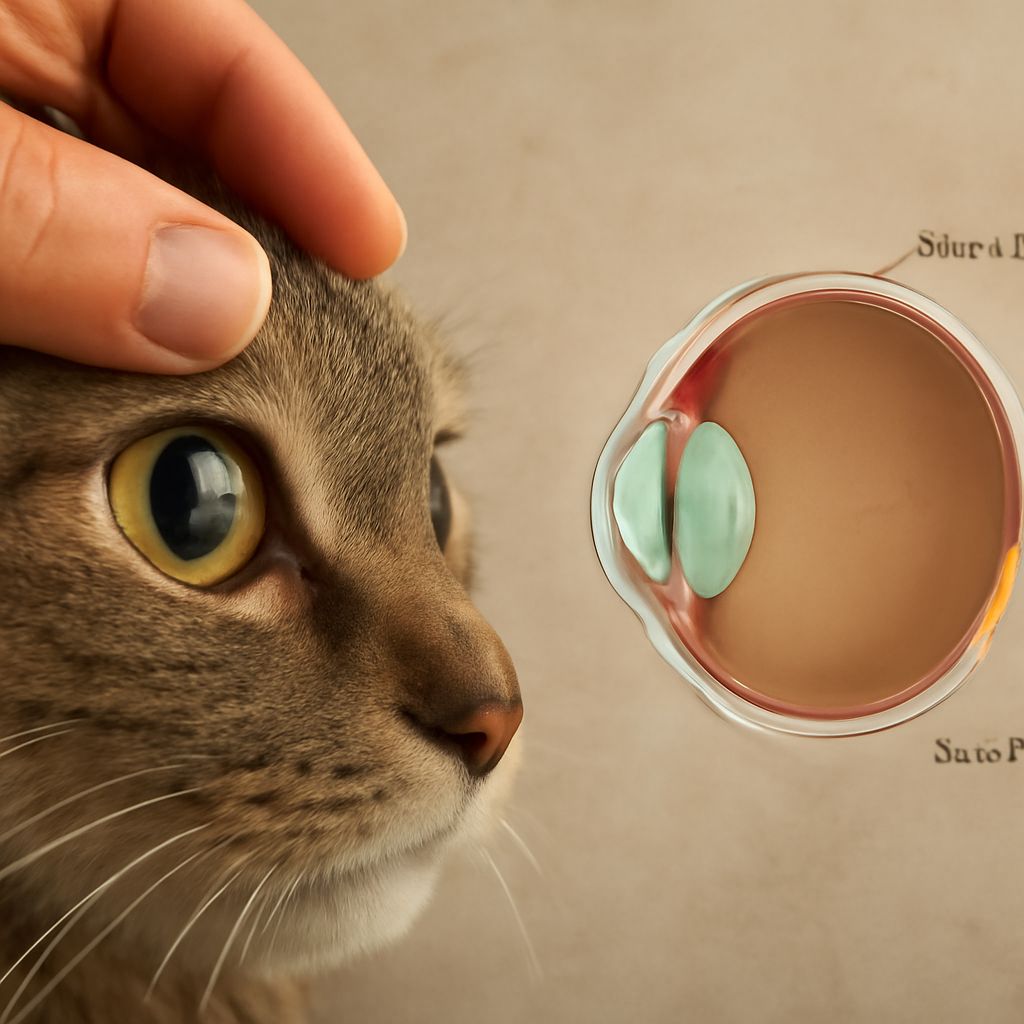
Imagine coming home after a long day, ready to unwind, when you notice your cat greeting you with eyes wide and pupils dilated to unusual proportions. You ask yourself, “Why are my cat’s pupils so big?” This scenario can be perplexing and even a little concerning. Cat owners often find themselves questioning the possible causes of their feline friend’s dilated pupils and what it means for their health. Understanding why your cat’s eyes might be dilated can help you ensure they remain healthy and content.
Introduction to Dilated Pupils in Cats
Dilated pupils in cats can be a natural response to low light, as their eyes work to capture more light to see better. However, persistent dilation under normal lighting conditions can be indicative of several health-related issues. It’s essential to familiarize yourself with the typical and atypical reasons for feline eye dilation to ensure your pet’s well-being.
Common Causes of Cats Eyes Dilated
There are numerous reasons why a cat’s eyes might appear dilated. Environmental factors, like dim lighting, naturally cause the pupils to expand. In contrast, stress or excitement can temporarily enlarge a cat’s pupils as part of their fight-or-flight response. Some causes, however, could be more concerning. Certain medications or toxins can lead to pupil dilation, and it’s vital to monitor your cat for other symptoms if they have been exposed to such substances.
Why Are My Cats Pupils So Big?
If you find yourself frequently asking, “Why are my cat’s pupils so big?” you might need to consider various physiological and psychological factors. Cats can develop dilated pupils due to changes in their emotional state or exposure to new environments. However, persistent dilation can also be a sign of underlying health issues such as hypertension, neurological disorders, or ocular conditions. Recognizing the difference between a transient response and a persistent problem is crucial in addressing your feline’s needs.
Signs to Watch with Cat Dilated Eyes
Monitoring your cat’s behavior and health is essential when you notice dilated pupils. Look for accompanying signs such as changes in appetite, lethargy, or unusual vocalizations. Additionally, eye-related symptoms like discharge or redness could indicate a more significant issue. Early detection of these signs can lead to more effective interventions and prevent potential complications.
When to Seek Veterinary Advice for Dilated Pupils in Cats
If you observe your cat’s eyes remain dilated for an extended period, or if they exhibit other alarming symptoms, it may be time to consult a veterinarian. A professional can conduct a thorough examination and recommend appropriate tests to diagnose the cause of the persistent dilation. Each cat is unique, and what may be a benign condition in one could be more serious in another.
Preventive Measures and Care for Cat Eye Health
Maintaining your cat’s eye health is paramount for their overall well-being. Ensure they have regular check-ups with a vet and keep an eye on their diet and environment. Providing a stable, stress-free environment can help minimize stress-induced pupil dilation. Additionally, keeping hazardous substances out of reach and ensuring they have a balanced diet can contribute significantly to their eye health.
Key takeaways: Understanding the causes of dilated pupils in cats can help you ensure their health and happiness. Monitor your cat for additional signs and seek veterinary advice if needed. By taking preventive measures, you can support your feline’s vision health effectively.